
How Long Should NYC Landlords Keep Lead Paint Records?

NYC landlords generally need to keep lead-based paint records for at least 10 years. This includes annual notices, tenant responses, inspection records, XRF testing reports, inspector credentials, remediation records, turnover documents, and proof of access attempts. HPD can request these records, so completing the work without keeping the paperwork can create a separate compliance problem. For landlords […]
Lead Paint Recordkeeping Requirements for NYC Landlords

For lead paint records, NYC landlords generally need much more than a copy of an inspection report. New York City requires property owners to maintain documentation showing how they handled annual notices, annual investigations, XRF testing, turnover work, lead-hazard repairs, safe work practices, contractor qualifications, and other lead-related responsibilities. Most of these records must be retained for at least 10 years, and HPD can […]
What Happens If a Tenant Does Not Return the Lead Paint Annual Notice?

A tenant failing to return the annual lead paint form does not let a New York City property owner close the file and assume no young child lives in the apartment. Under NYC’s lead-based paint rules, the missing response starts another part of the owner’s annual compliance process. For a tenant not to return lead paint annual notice, […]
NYC Lead Paint Annual Notice: What Landlords Must Know
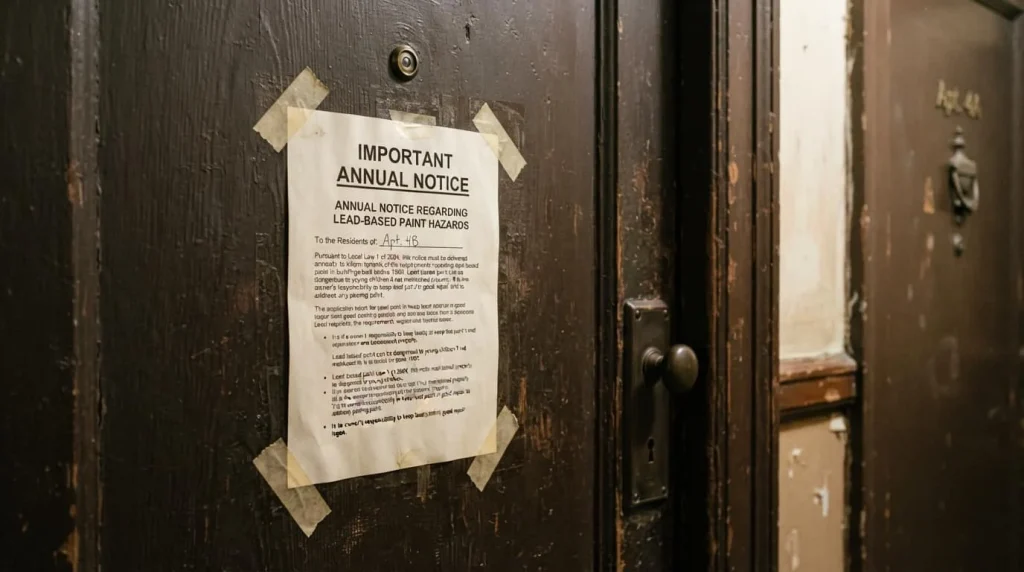
The NYC lead paint annual notice is a yearly compliance requirement used to determine whether a child under six resides in a covered apartment. Property owners generally must deliver an approved notice to tenants between January 1 and January 16, collect responses by February 15, follow up on nonresponsive apartments, and maintain records showing that each required step was completed. Sending the form is only the beginning. […]
What Happens If You Don’t Comply with NYC Local Law 31?
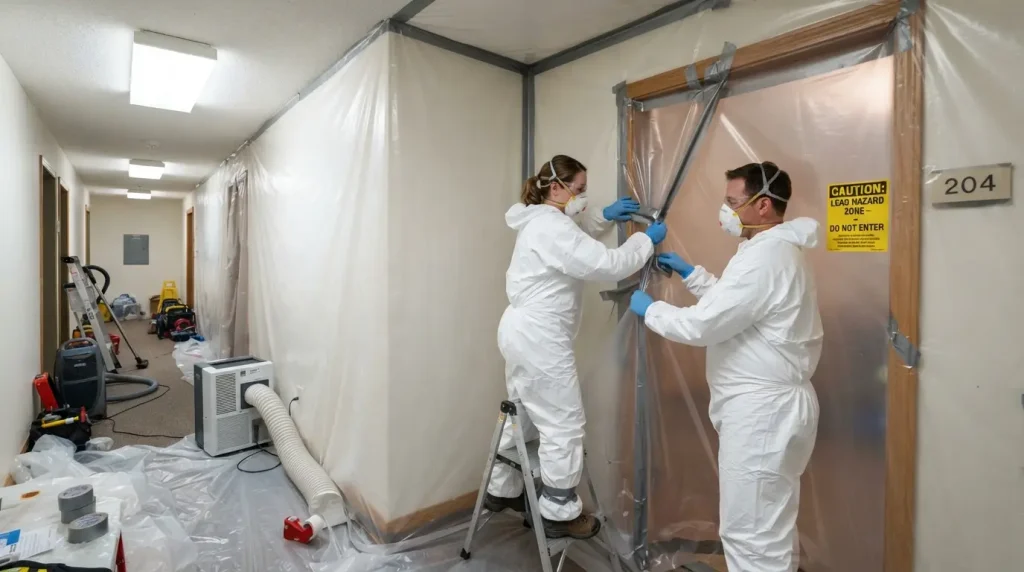
Missing a compliance deadline in New York City is not like missing a dentist appointment. With NYC Local Law 31, one skipped inspection can turn into a pile of violations, fines charged for every apartment, and an audit that spreads across your whole building. So what actually happens when an owner does not comply? The cost runs deeper than most […]
Why XRF Is the Gold Standard for Lead Paint Inspections
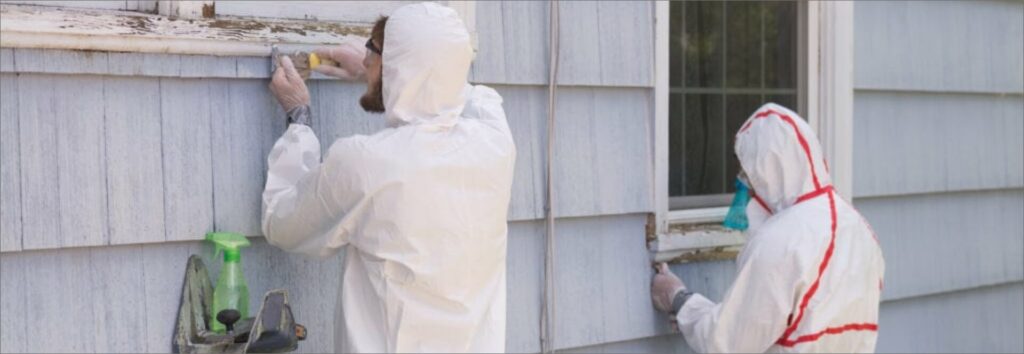
Every lead paint method answers the same question, which is whether a painted surface holds lead above the legal limit. The methods differ in how much of the building they can cover, how much damage they leave behind, and whether HPD will accept the paperwork afterward. XRF lead testing wins on all three, and that is why […]
Failed a Lead Inspection in NYC? Here’s What to Do Next

The report lands in your inbox, and one line changes your week. A painted surface tested at or above 0.5 mg/cm², which means lead-based paint is present somewhere in your building. A failed lead inspection in NYC can feel heavy, yet the result is not a dead end. It is the start of a clear sequence of […]
What Happens After a Lead-Based Paint Violation from HPD in NYC?
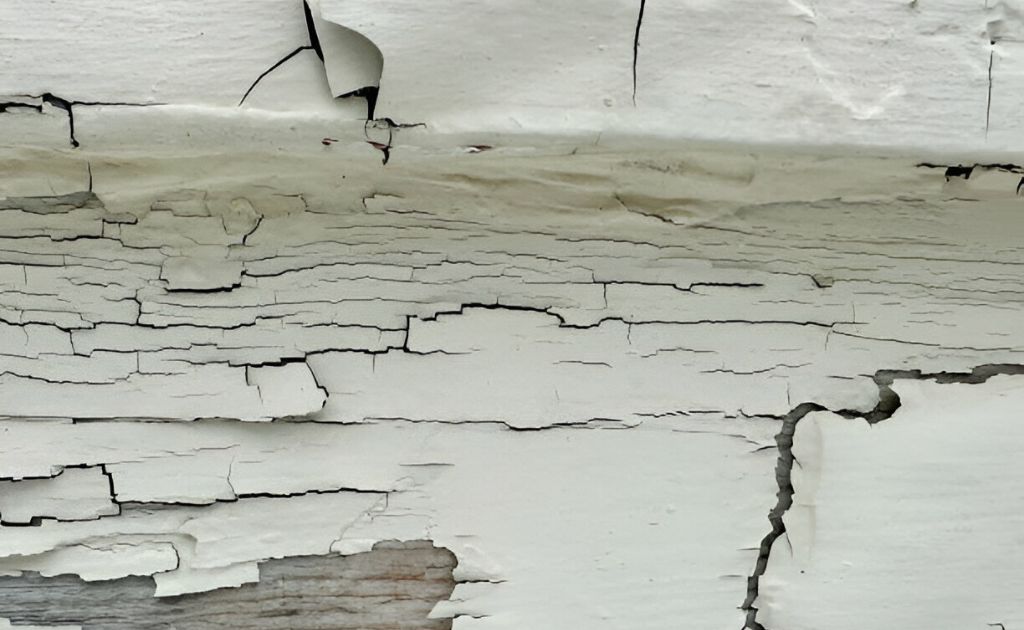
The letter from HPD lands in your mailbox, and the clock starts the same day you open it. A lead-based paint violation from the New York City Department of Housing Preservation and Development is not a warning you can push to the bottom of the pile. It carries a fixed deadline, a set of steps you follow […]
How to Identify High-Risk Areas for Lead Dust in Apartments
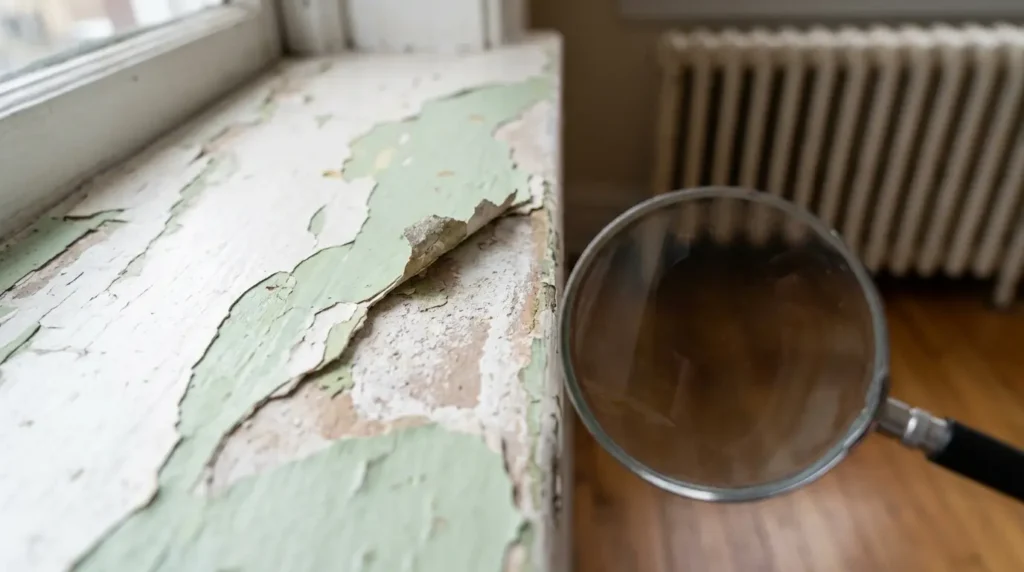
Lead dust is the kind of hazard you cannot see, smell, or taste, yet it settles on surfaces your family touches every day. In older apartments, it builds up near windows, doors, and floors long before anyone notices. Knowing where to look is the first step toward lead dust remediation in NYC, and it can […]
What Happens If Your Property Fails an XRF Lead Test?
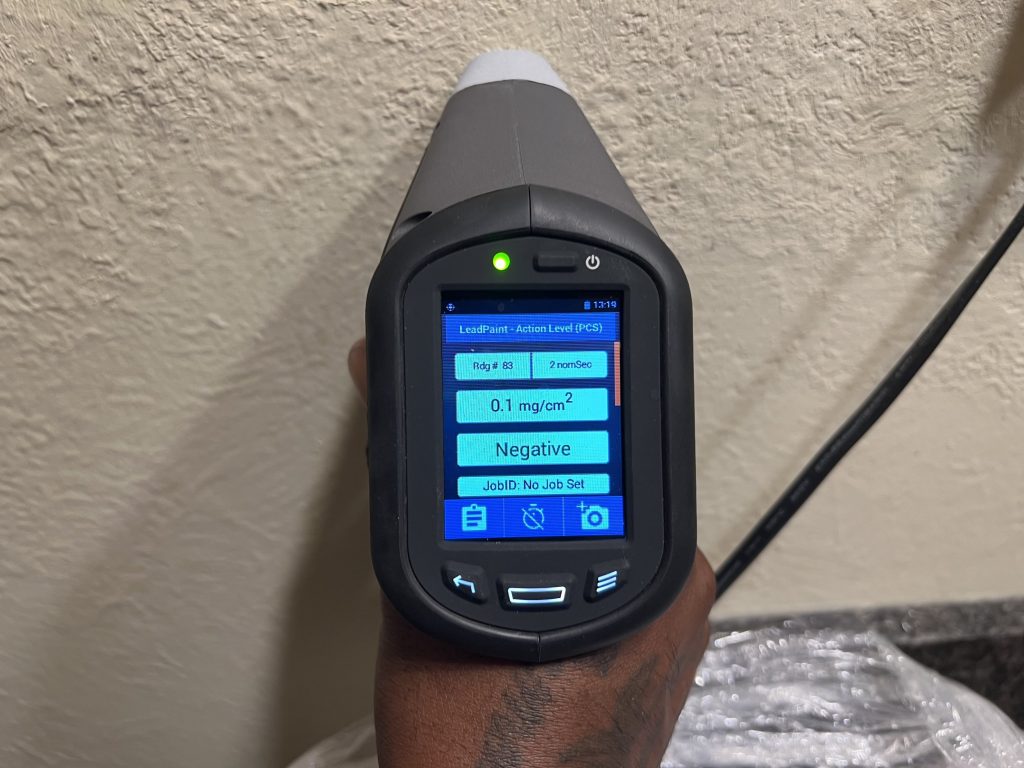
You scheduled your XRF lead inspection. A certified inspector came in with the handheld analyzer, tested surfaces throughout the unit, and handed you a report. Then comes the number that changes everything: lead detected above the 0.5 mg/cm² action level. Most property owners understand that failing a test is bad. Far fewer understand exactly what […]