Where the Violation Came From Before It Reached You
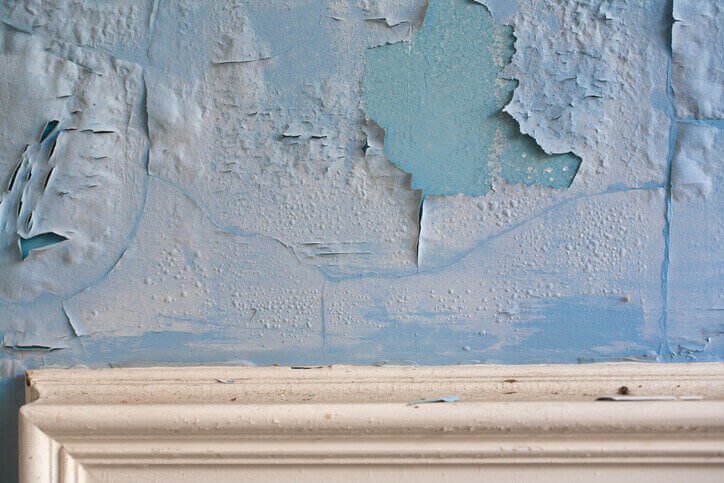
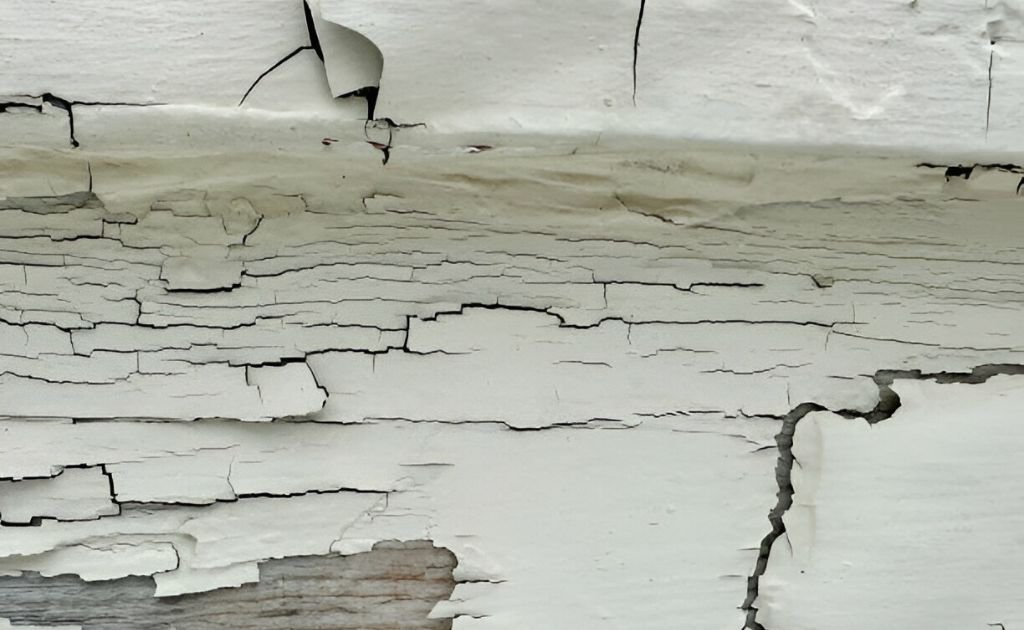
The notice rarely shows up out of nowhere. Most of the time, a tenant called 311 about peeling paint, and HPD sent an inspector to the apartment. If a child under six lives there and the building went up before 1960, the inspector tests painted surfaces with an XRF machine, and any surface that reads at or above the city limit turns into a violation. The other path starts with the Department of Health. When a doctor reports a child in your building with a high blood lead level, DOHMH opens a case and pulls HPD in behind it. That path tends to move faster and carries more weight because a child is already hurt.
Knowing which path brought the notice matters because it tells you how much attention the city is paying to your building. A single complaint is one thing. A confirmed lead-poisoned child is a different level of scrutiny, and it changes how the rest of the process feels.
The HPD Notice of Violation and the 21-Day Clock
The first document you receive is a Notice of Violation. HPD places lead paint hazards in the Class C category, which the city treats as an immediate hazard to health. For a lead-based paint violation, the correction window is 21 days from the date printed on the notice. Inside that window, you fix the hazard and certify the correction back to HPD. The reason the city moves this fast comes down to the person the rule protects. A lead hazard exists when peeling or disturbed paint sits in a pre-1960 building, in an apartment where a child under six spends ten or more hours a week. That child breathes the dust that comes off sticking windows and rubbing doors, and that dust is what your notice is really about.
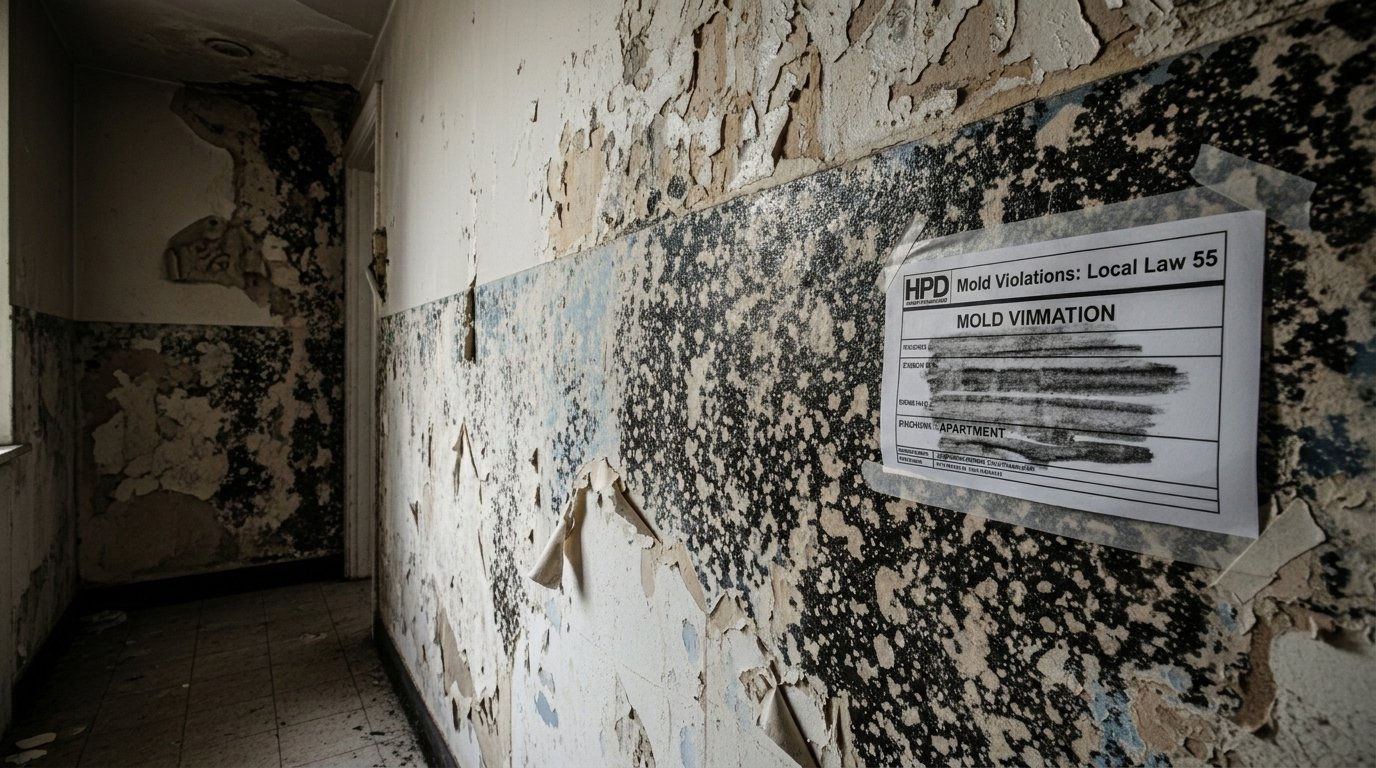
The paper itself lists the apartment, the specific surfaces that failed, the correction deadline, and an order number that explains why the violation exists. That order number decides the paperwork you owe back, so it is the first line to read.
What Your Violation Order Number Means (616, 617, and 618)
HPD prints a code on every lead notice, and each one points to a different reason and a different response:
- Order 616 is a presumed violation. The paint sits on a surface in a pre-1960 building; it is peeling, and HPD assumed lead without lab testing. You correct it, certify it, or file a contest.
- Order 617 is a tested violation. An inspector used an XRF machine or a lab confirmed lead above the city limit of 0.5 mg/cm². You correct the hazard and certify the fix.
- Order 618 covers records. After the Department of Health flags a child with a high blood lead level in your building, HPD demands your inspection and testing records, and you have 45 days to hand them over.
Reading this code first keeps you from filing the wrong form and losing days you cannot get back.
Getting Access to the Apartment Before the Clock Runs Out
Here is the part many owners forget until the deadline is close. You cannot correct a hazard in an apartment you cannot enter. The 21-day clock keeps running whether the tenant lets your crew in or not, so the first call after you read the notice goes to the tenant. Set a date, put it in writing, and keep a copy of every message. If the work involves abatement on friction surfaces, the tenant may need to move out of the room or the unit for a short window while the crew contains the dust.
When a tenant blocks access, document each attempt with dates and times. HPD does look at whether an owner made a genuine effort to reach the apartment, and a paper trail protects you if the deadline slips for a reason outside your hands. A missing key is not a defense on its own, but records of repeated, honest attempts carry weight during a contest.
Correcting a Lead-Based Paint Violation the Way HPD Accepts
Fixing the hazard is not the same as painting over it. Painting over deteriorated lead paint counts as its own violation under both city and federal law. HPD accepts a correction only when an EPA-certified firm does the work with safe work practices. The approved methods depend on the surface and its condition. Wet scraping takes off loose paint while the surface stays damp so the dust does not travel through the apartment. Replacement swaps out contaminated windows, doors, or trim for lead-free parts. Enclosure seals the hazard behind a solid material such as drywall. Encapsulation coats the surface with a bonding product built for lead.
The method has to match the surface, and the crew has to contain the work area, clean with HEPA equipment, and dispose of the waste as hazardous material. Anything that disturbs more than two square feet of lead paint per room falls under the full safe work practice rules, so even a small repair has a right way and a wrong way. Before the work starts, many owners bring in XRF lead testing to confirm which surfaces hold lead, because the 0.5 mg/cm² limit decides what needs work and what can stay as it is.
Why Dust Wipe Clearance Testing Decides the Outcome
Doing the work is only half of the answer to what happens after a lead-based paint violation. HPD does not take your word that the apartment is safe. A third party who is independent of both you and the crew that did the repair collects dust wipe samples from floors, window sills, and window wells. A New York State-certified laboratory then measures the lead in those samples. If the numbers land below the legal limit, the unit passes. If they come back high, the job is not finished, and the violation stays open no matter how clean the room looks.
This clearance step is where many corrections stall, because a repair can look spotless while the dust still carries lead. The rule keeps the tester separate from the owner and the worker on purpose, so nobody signs off on their own work. Independent lead dust clearance testing is the proof HPD is waiting for, and without those lab results, the file does not move an inch.
Filing Your Certification of Correction with HPD
Once the unit passes, you certify the correction. The certification form sits on the back of the Notice of Violation, and you submit it within five days of the date the work was corrected. Along with the signed form, HPD wants a sworn statement from the EPA-certified firm that did the work, a copy of that firm’s certification, and the lab results from the dust clearance test. Only the owner, the managing agent, or a party listed on the property registration can sign it, so a random contractor cannot certify on your behalf. Filing a false certification is a crime in New York City, with a fine of up to $1,000 and up to a year in jail, so the paperwork has to match the work on the wall. You also keep every record for ten years, because HPD can ask for it long after the violation closes. The city’s own HPD certification guidance spells out which affidavit each situation needs.
The Reinspection HPD Runs Before Closing the File
Submitting the paperwork does not close the case on its own. HPD reviews the documents, and once the department accepts them as on time and complete, an inspector returns to the apartment to check the condition in person. The reinspection confirms that the repair matches what you filed and that no new hazard appeared. Only after this visit does HPD mark the lead-based paint violation as corrected. If the inspector finds a gap, you make the fix and run clearance testing again, and the file reopens until the numbers come back clean.
The Turnover Trap That Rides Along with Lead Violations
During a lead inspection, HPD often finds a second problem hiding behind the first. If a child under six lives in the unit and the door or window friction surfaces still hold lead, the city can issue a turnover violation on top of the hazard violation. This means the surfaces should have been abated when the last tenant moved in after August 2004, and they were not. A turnover violation carries its own correction steps and its own certification, so a single inspection can leave you with two open items instead of one. Owners who treat the notice as a single repair often miss the second piece, and the building stays out of compliance while they think the matter is closed.
What a Missed Deadline Costs a Property Owner
This is the part that hits the wallet. When a lead-based paint violation sits past its correction date, HPD does not wait. The consequences add up:
- Failure to correct carries a penalty of $250 per day, and civil penalties on lead cases run from $250 to $1,500 per violation.
- HPD can send its own certified contractor, finish the work, bill you above market rate, and place a lien on the building for the cost.
- A false certification is a crime, with a fine of up to $1,000 and up to a year in jail.
- When a child in the building is found with a high blood lead level and a known hazard was ignored, the case can move into criminal liability.
The scale is not small either. In January 2024, HPD fined a single owner $150,000 across a portfolio, a signal of how the city now reads repeat lead problems. If your deadline is tight, a postponement or a contest has to reach HPD at least five days before the correction date, never after. Miss that window, and the only route left is to correct the condition and request a dismissal through the audit unit, which puts you at the back of the line instead of the front.
How This Violation Follows Your Building After It Closes
Closing the file is not the end of the story. HPD keeps the record, and lead history feeds into how the city picks buildings for future audits. A newer rule now asks owners to submit their XRF testing records within 45 days of receiving a lead hazard or turnover violation, and the audit criteria factor in past violations along with blood lead data from certain neighborhoods. A building with a lead record draws more attention in the next round, not less. The records you keep today, the clearance reports, the sworn statements, and the lab results, become the shield that protects you when HPD circles back. This is why the ten-year retention rule is not paperwork for its own sake. It is the difference between a quick answer to the next audit and a fresh violation for records you cannot produce.
Close Your HPD Lead-Based Paint Violation Before the Fines Grow
Every day a lead-based paint violation stays open is another $250 on the meter, and another day a child in that apartment breathes the same dust that triggered the notice. The steps are clear, but the timing is tight, tenant access eats into the window, and one rejected certification sends you back to the start of the 21-day clock with less room than before.
We are Manhattan Lead Inspections, an EPA-certified lead inspection team in NYC. We handle the XRF inspections, the independent dust wipe clearance testing, and the documentation HPD accepts, so your correction passes on the first pass and your file closes on schedule. We work with property owners, landlords, and building managers across Manhattan, Brooklyn, Queens, the Bronx, and Staten Island, and we keep your records ready for the audit that may come next.
Waiting only makes the notice heavier and the fines larger. Contact us today, and let us help you clear the violation, protect the families living in your building, and keep the penalties off your books.