What Makes XRF Lead Testing Different from Every Other Lead Paint Method
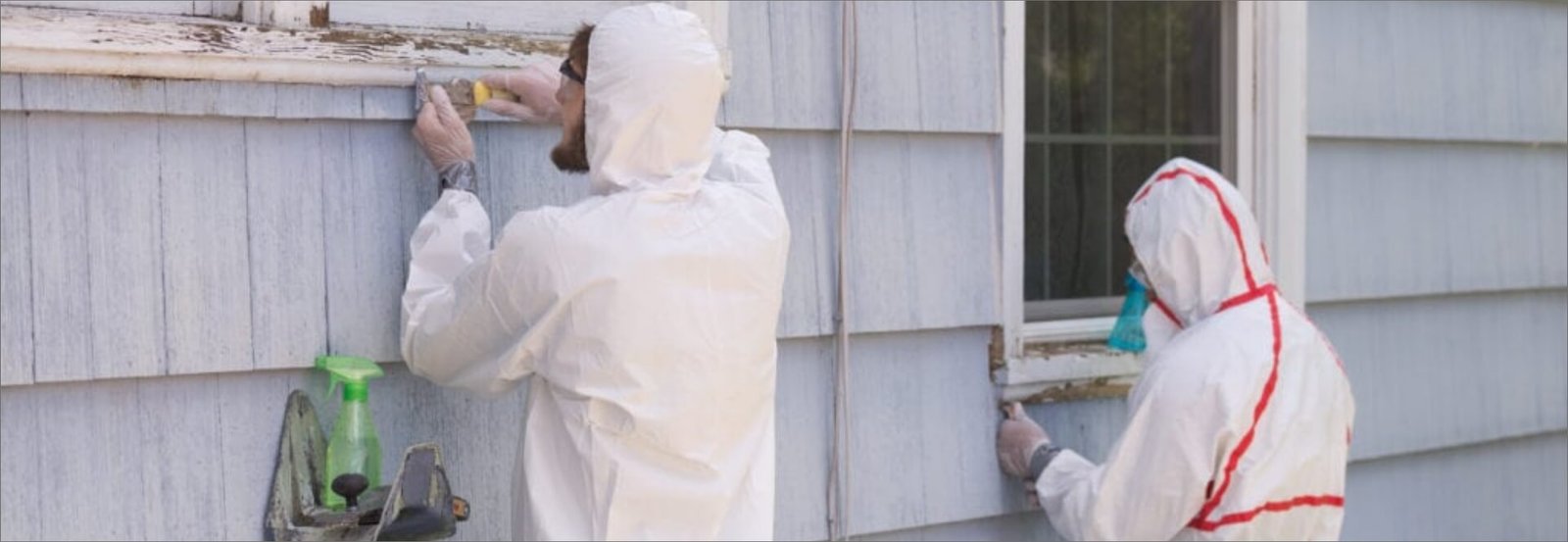
The other methods work by taking something away from the building. A paint chip test needs a blade or a chisel to cut roughly four square inches of paint off the wall, which then travels to a laboratory. A swab kit reacts with the top coat and stains it. Both of them damage the surface they touch, and both of them look at one small spot.
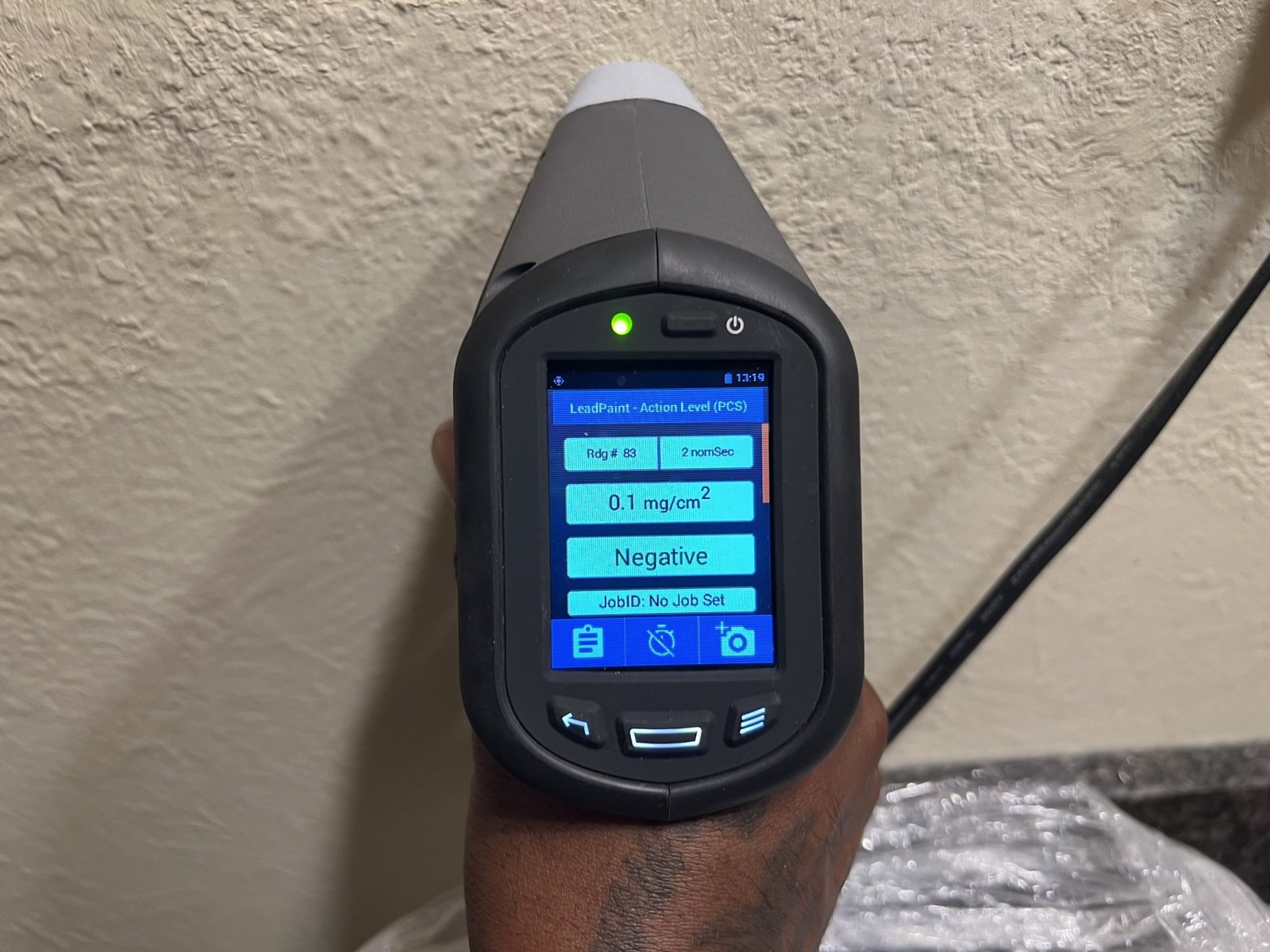
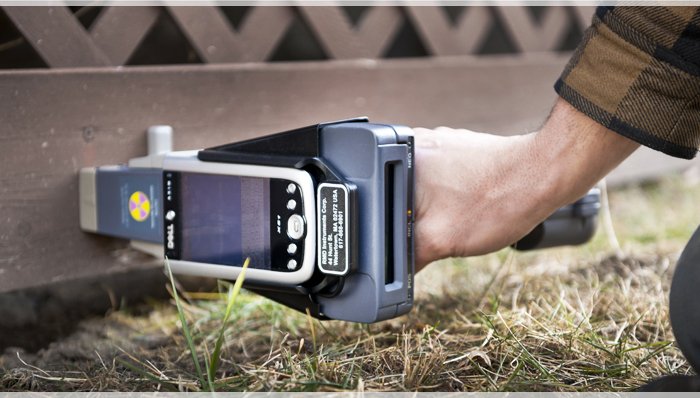
An XRF analyzer takes nothing. The inspector holds the device against the painted surface, the reading appears in seconds, and the wall stays exactly as it was. That difference sounds cosmetic at first. In a 40-unit pre-1960 walk-up with plaster walls, original window casings, and wood trim that a super would need weeks to patch, it stops being cosmetic and starts being the reason the job is possible at all.
How the XRF Analyzer Reads Lead Through Paint Layers
The device sends low-energy X-rays into the coating. Lead atoms in the paint absorb that energy and release it back at a frequency that belongs to lead and nothing else. The detector counts what comes back and converts it into a number, reported as milligrams of lead per square centimeter.
The part that matters for old NYC buildings is depth. A hallway in a 1920s building might carry eight or ten coats of paint applied over a century, with the lead layer sitting at the very bottom under decades of latex. A swab kit only touches the surface and reports nothing. The XRF beam passes through the whole stack and reads the lead underneath, which is why the method finds hazards that a visual check and a surface test both miss.
Why NYC Law Names XRF as the Accepted Method for Lead Paint Inspections
New York City did not treat lead testing as a matter of preference. Local Law 31 of 2020 required owners of residential buildings built before 1960, along with buildings from 1960 to 1978 where the owner knows lead paint is present, to have every dwelling unit inspected with XRF by August 9, 2025. Local Law 111 of 2023 added common areas to that same deadline, so hallways, stairwells, lobbies, and laundry rooms fall under it too.
The law names the technology, and it also names the operator. Testing has to be performed by an EPA-certified lead inspector or risk assessor who is independent of the owner and independent of any firm doing the abatement. A landlord cannot self-certify, a handyman cannot swab a doorframe, and a visual inspection satisfies nothing.
The 0.5 mg/cm² Action Level That Changed Everything
Local Law 66 of 2019 dropped the lead-based paint action level in New York City from 1.0 mg/cm² down to 0.5 mg/cm², which is half of the federal threshold. That single change moved a large number of surfaces from passing to failing overnight.
This is where the choice of method stops being academic. A test that hovers near the old federal number gives an owner no useful information under a city rule set at half that value. XRF lead testing performed with a properly calibrated analyzer reads well below 0.5 mg/cm², which is what the NYC threshold demands.
Who Is Allowed to Perform XRF Lead Testing in NYC
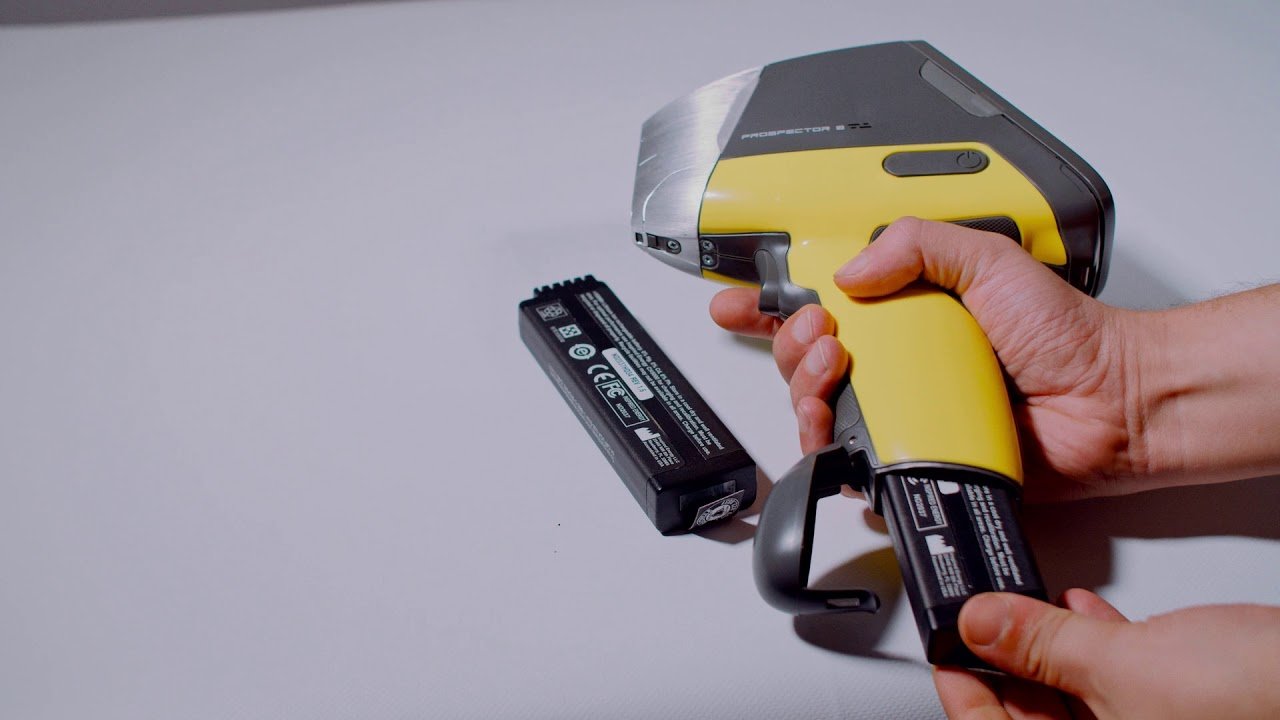
The instrument itself carries requirements as well. An XRF analyzer used for compliance work must have an approved Performance Characteristic Sheet, which is the document stating how that specific model performs on specific substrates. The analyzer gets calibrated against a NIST-traceable reference standard before use, and readings get corrected for what sits behind the paint, because wood, plaster, drywall, metal, and masonry each affect the reading differently.
An EPA-certified lead paint inspector knows those corrections. Someone who bought an analyzer and skipped the certification does not, and the report will show it when HPD reads it.
XRF Lead Testing vs Paint Chip Sampling vs Spot Test Kits
Property owners ask about the alternatives constantly, so it helps to lay them side by side.
- Store-bought swab kits: rejected for compliance in NYC. They touch only the top coat, they cannot give a number in mg/cm², and HPD accepts nothing from them.
- Paint chip sampling: accurate at the laboratory level, but destructive. It cuts the surface, it costs per sample plus lab fees, and results come back in about five to seven business days. Testing an entire building this way would leave hundreds of holes and a bill that grows with every sample.
- XRF lead testing: instant results on site, no damage, and a certified inspector can read ten to twenty components per hour. A full residential unit finishes in one to two hours, and the report can follow the same day.
The math turns fast once you count components. A single apartment holds walls, ceilings, window sashes, sills, casings, doors, jambs, baseboards, radiators, and cabinets. Multiply that by every unit plus the common areas, and paint chip sampling stops being a method and starts being a demolition project.
The Limits of XRF and How Certified Inspectors Work Around Them
No method deserves the label of gold standard by pretending it has no boundaries, so we will state them plainly.
XRF carries a margin of error, and readings that land close to the action level fall into what the equipment reports as inconclusive. Curved surfaces, decorative moldings, and intricate ironwork give the analyzer trouble because the device cannot make flat contact and cannot fix the exact surface area it reads. Substrate interference can also push a reading in the wrong direction when the correction is not applied.
An experienced inspector handles all of this the way HUD Chapter 7 of the HUD Lead-Based Paint Guidelines sets out. Inconclusive readings get confirmed with a paint chip sample sent to an accredited laboratory. Curved or irregular components get sampled rather than scanned. The two methods work together, with XRF mapping the whole property and chip sampling resolving the handful of surfaces that sit on the fence.
That combination is what a serious inspection looks like. Anyone who claims XRF answers every question on every surface has not spent much time in a prewar building.
What Goes into an XRF Report That HPD Will Accept
A number on a screen is not compliance. The document behind it is what keeps an owner out of trouble, and the document is where most cheap inspections fall apart.
A report built to survive an HPD review carries the analyzer model and serial number, the calibration date and calibration checks, the inspector’s EPA certification details, the substrate recorded for every reading, and a component-by-component result for each room. Local Law 31 also requires owners to hold these records for ten years, and beginning in August 2025, HPD can demand them the moment a lead hazard or turnover violation gets issued.
This part catches people. If the work happened but the paperwork cannot be produced, the position is the same as if the work never happened at all. Owners who used an uncertified tester, or who accepted a one-page summary with no calibration record, find that out at the worst possible moment. Our blog on what happens when a property fails an XRF lead test walks through the steps that follow a positive result.
Why Property Managers Rely on XRF Across a Portfolio
Managing one building is a scheduling problem. Managing twelve is a documentation problem.
XRF lead testing scales in a way that the other methods cannot. A portfolio can be built by building on a set schedule, with tenants staying in place because nothing gets cut, drilled, or removed. Units come back into use the same hour they were tested. There are no lab turnaround gaps, no patchwork orders, and no tenant complaints about holes in the living room wall.
There is also the exemption side, which owners overlook. If XRF testing shows every surface below 0.5 mg/cm², the property qualifies to file for a lead-free exemption with HPD. Once granted, the owner is released from presuming lead paint exists and from a stack of ongoing monitoring obligations. That exemption cannot be obtained through guesswork or through a swab kit. It requires exactly the documented XRF record described above, which turns the inspection from a cost into an asset that keeps paying for years.
XRF Lead Testing for Homeowners and Property Buyers
The same logic applies at a smaller scale. If you are buying a co-op, a condo, or a two-family house built before 1978, the seller’s disclosure tells you what the seller knows, and often the seller knows very little.
An XRF inspection before closing gives you a map instead of a warning. You learn which components carry lead and which do not, which changes what a renovation will cost you and how it has to be performed. Families with children under six have a sharper reason. Local Law 31 shortens the testing cycle to one year when a child under six lives in or moves into a covered unit, and lead exposure hits developing nervous systems hardest, which the NYC Health Department documents in its childhood lead poisoning guidance.
Testing before you disturb the paint is what prevents a renovation from turning a stable coating into airborne dust.
Book XRF Lead Testing Before HPD Asks for Your Records
The August 9, 2025 deadline has passed, and enforcement is the phase we are in now. Every day a covered building goes untested is a day it sits exposed to a Class C hazardous violation, civil penalties, and a records request it cannot answer. If a tenant’s child tests positive, the questions arrive faster, and the answers matter more.
We are an EPA-certified Lead Testing Inspector NYC, licensed, bonded, and insured lead inspection company working across Manhattan, Brooklyn, Queens, the Bronx, and Staten Island. Our inspectors use calibrated XRF analyzers with approved Performance Characteristic Sheets, apply substrate corrections on every reading, confirm inconclusive results through accredited laboratory analysis, and hand you a report written for HPD review rather than for your filing cabinet. Contact us to schedule XRF lead testing for your property and get the documentation on file before someone else asks for it.