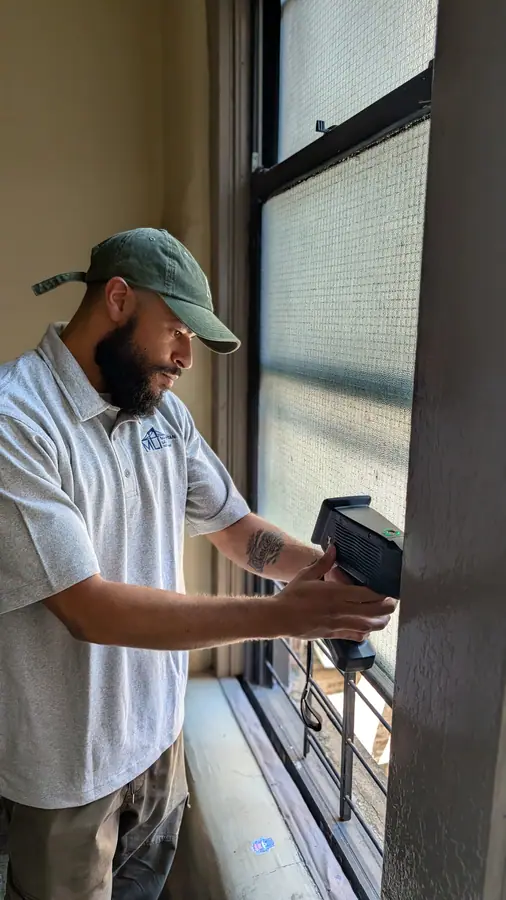
EPA-certified inspector
XRF testing for Local Law 31 must be performed by an EPA-certified lead inspector or risk assessor.

XRF testing is the method New York City requires for lead-based paint inspections. A handheld analyzer reads the lead content through every layer of paint without scraping, drilling or removing anything.
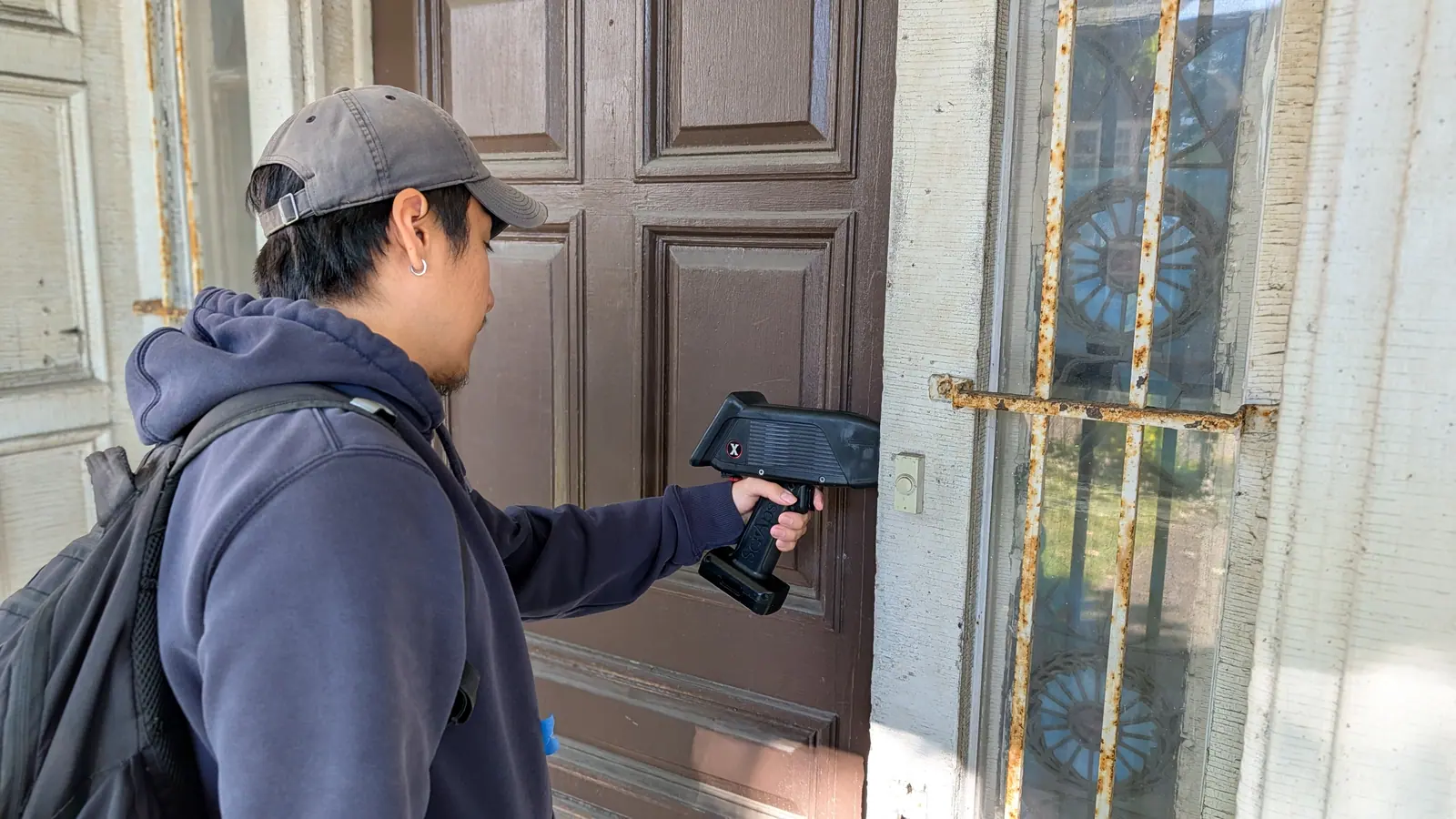


EPA license LBP-F239341-2
XRF analyzers are handheld devices, similar in size and shape to a radar gun, that test painted surfaces for lead quickly and accurately. XRF is a non-destructive method. Nothing is scraped, drilled or removed. The analyzer reads through every layer of paint, so it detects lead even when it is buried under decades of newer coats.
Our EPA-certified inspectors use XRF technology for comprehensive lead-based paint testing in New York City. Testing can cover walls and ceilings, interior and exterior doors and windows, trim work, flooring, cabinetry and other surfaces as needed.
Manhattan Lead tests with the SciAps X550PB, a handheld XRF analyzer built specifically for lead-in-paint testing. Pairing top-tier equipment with an EPA-licensed firm (LBP-F239341-2) means faster readings, dependable results and reports HPD accepts.
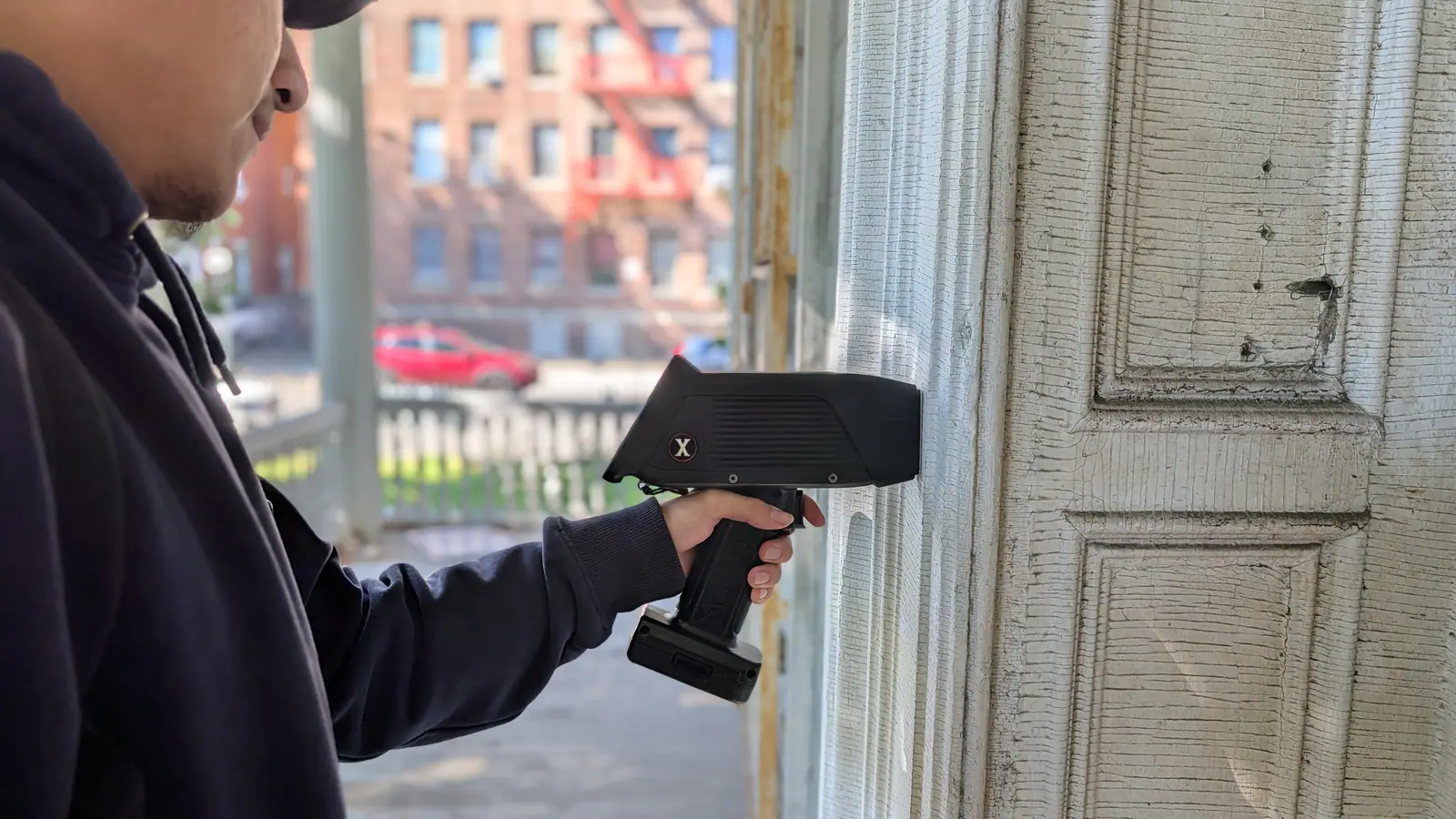
Different methods answer different questions. XRF is the accepted non-destructive method for identifying lead-based paint under Local Law 31.
| Method | Reads through layers? | Destructive? | Results | Accepted for LL31? |
|---|---|---|---|---|
| XRF analysis | Yes | No | On site, immediate | Yes |
| Paint chip sampling | Physical sample | Yes | Lab, several days | Limited use |
| Dust wipe sampling | Measures dust, not paint | No | Lab, several days | No |
| Hardware-store swab kit | No | Minor | Immediate, unreliable | No |
| Visual inspection | No | No | Immediate | No |
Why swab kits fail: Consumer test kits react with the surface layer only. Lead paint under later coats can return a false negative, while XRF reads through every layer.
Local Law 31 applies to multiple dwellings built before 1960 and to buildings built from 1960 through 1978 where the owner knows lead-based paint is present. The obligation falls on building owners, not tenants.
XRF testing for Local Law 31 must be performed by an EPA-certified lead inspector or risk assessor.
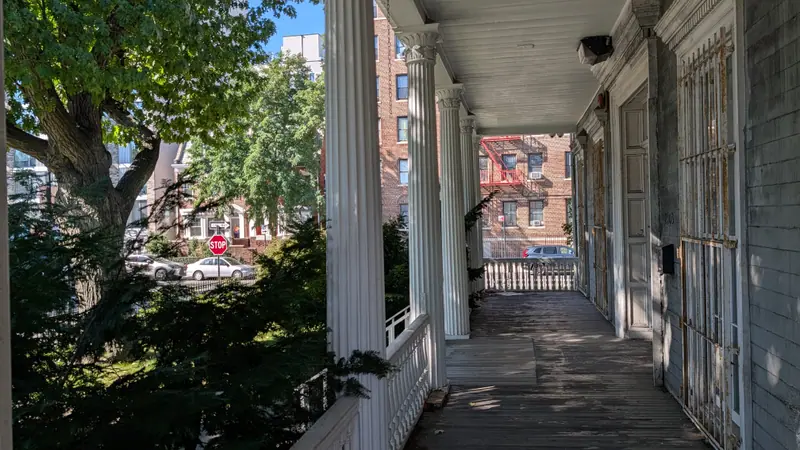
The automatic testing requirement applies to qualifying multiple dwellings built before 1960.
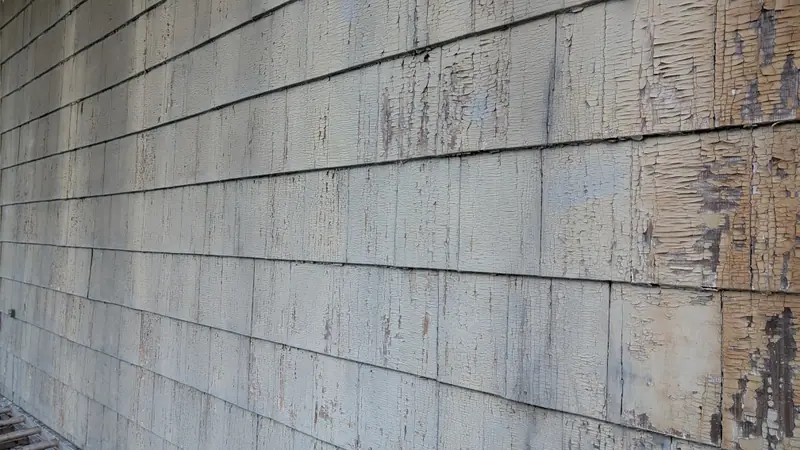
The requirement also applies to 1960 through 1978 buildings where the owner has actual knowledge that lead paint is present.
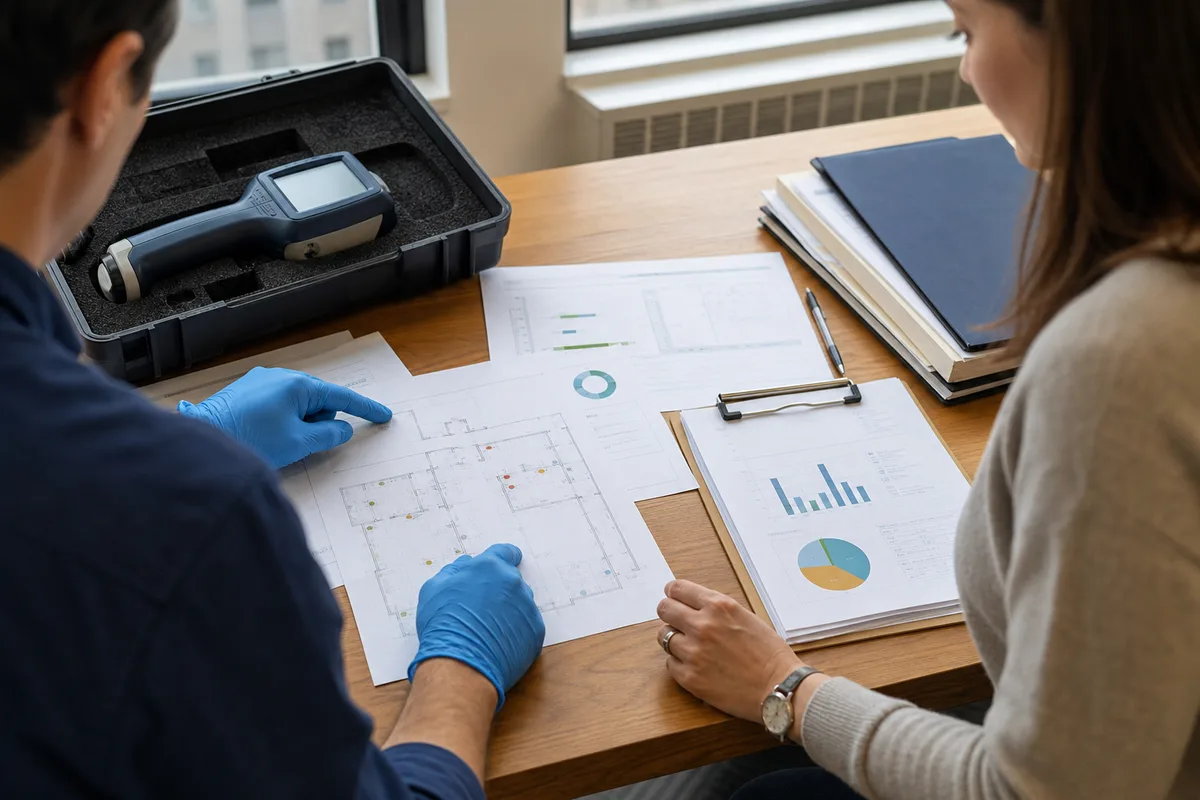
XRF analysis is also required when an owner applies for an HPD lead exemption.
Share the property address, building age and reason for testing. We will confirm the required XRF scope before scheduling.
Book Inspection NowManhattan Lead inspectors and risk assessors identify and manage lead hazards across Manhattan, Brooklyn, Queens, The Bronx and Staten Island.
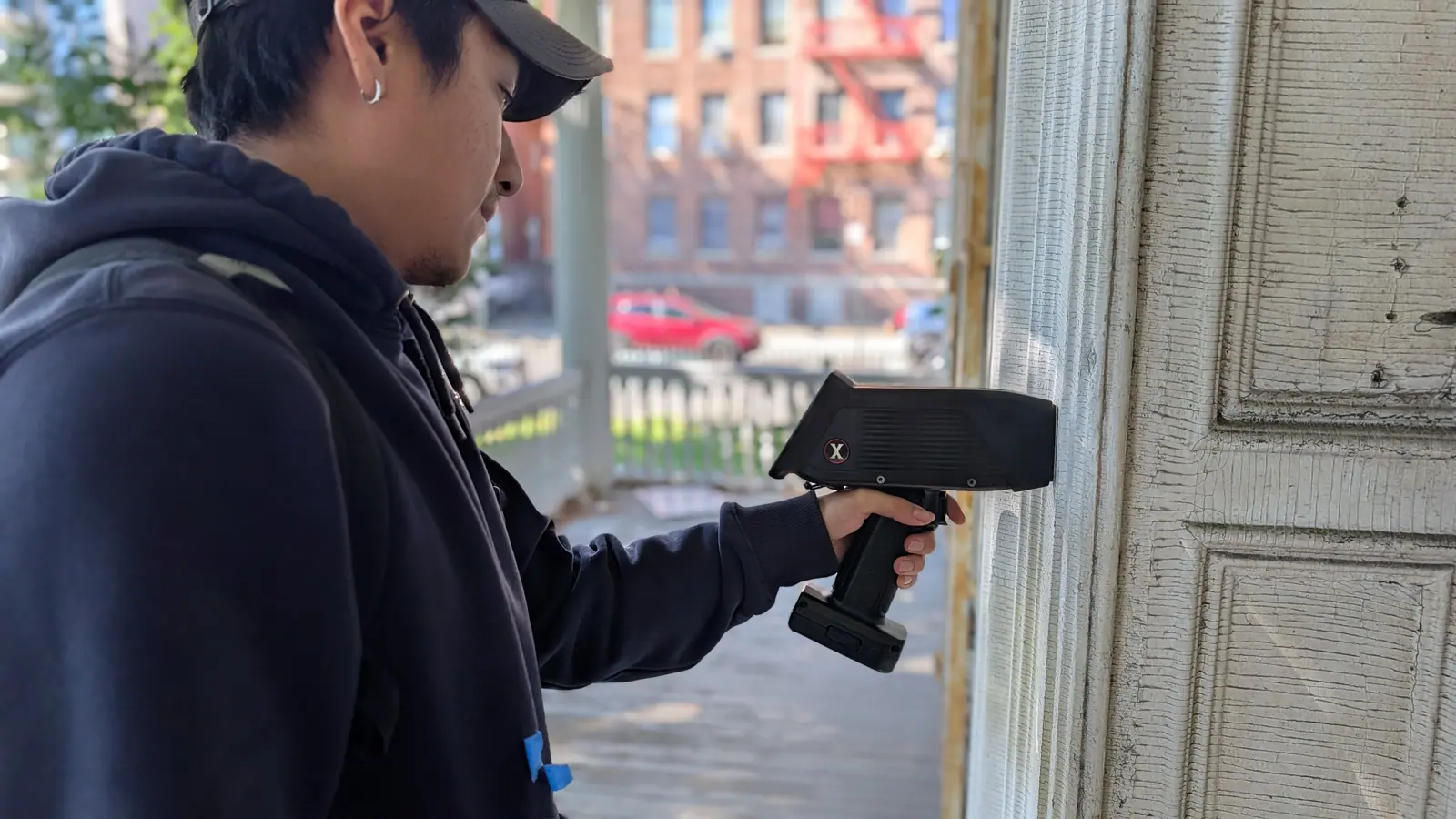
EPA-certified inspectors perform the required XRF readings.
The property scope is reviewed before inspection work is scheduled.
Quantitative readings create a component-level inspection record.
Call with the address and reason for testing to plan the next step.
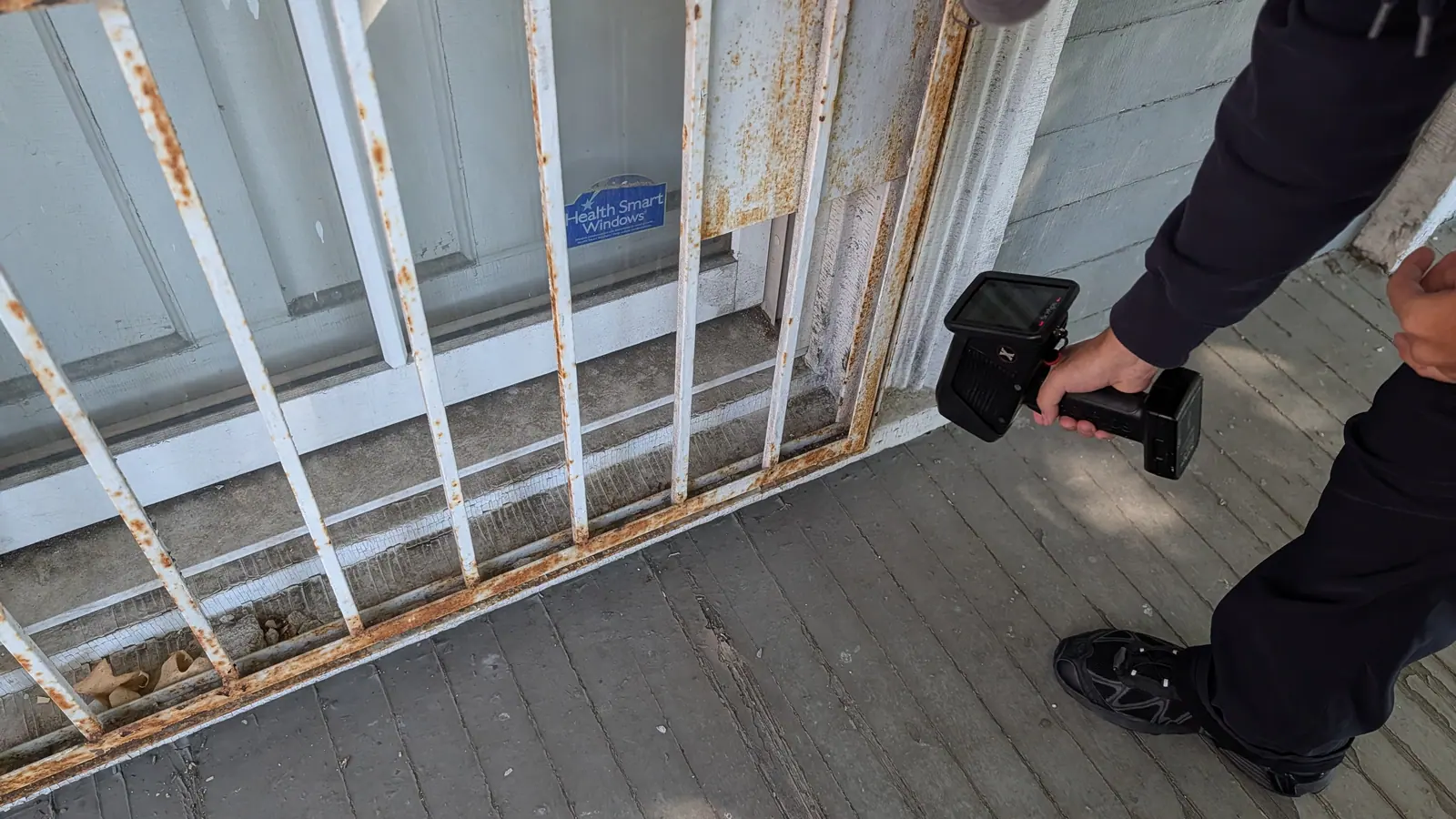 Live XRF reading
A low-energy X-ray beam is directed at a painted surface and the device calculates lead concentration in milligrams per square centimeter.
The analyzer takes its reading in place. There is no scraping, drilling, sanding, dust or repainting afterward.
You receive a quantitative reading for each tested surface without waiting for a laboratory result.
The inspection scope can include painted components throughout dwelling units, common areas and applicable exterior areas.
Call with the property address, building age and reason for testing. Manhattan Lead will help identify the appropriate inspection scope.
Book Inspection Now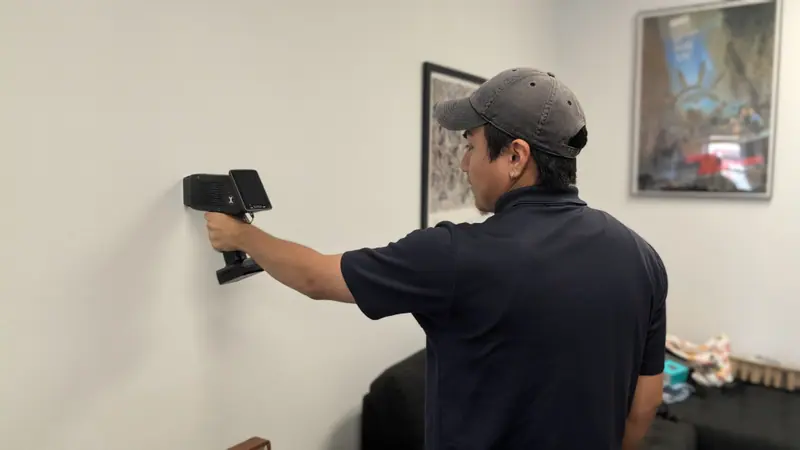
Detailed lead paint inspection for residential and commercial properties, using visual assessment and professional testing to identify painted components that may contain lead.
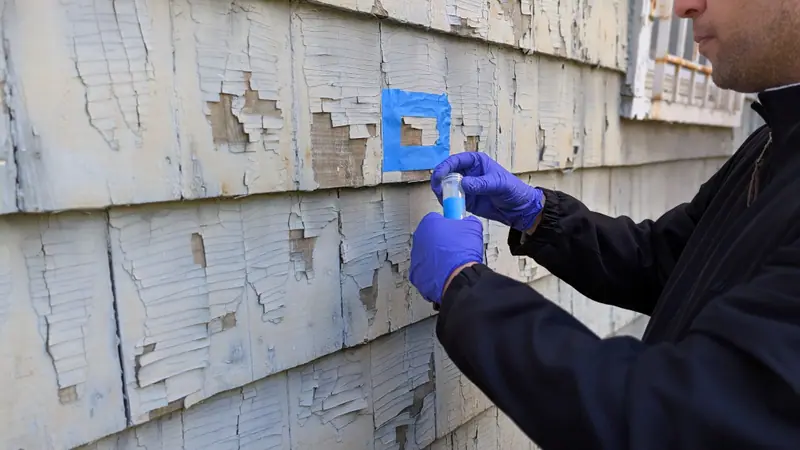
EPA-certified lead paint testing and risk assessment for New York City properties, with XRF readings, targeted sampling and organized laboratory findings.
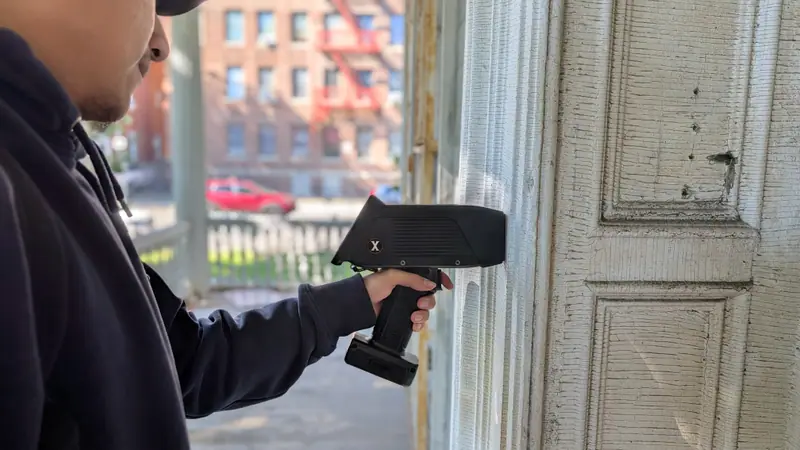
XRF inspection and documentation support for covered New York City dwelling units and common areas under Local Law 31.
Manhattan Lead serves Manhattan, Brooklyn, Queens, The Bronx and Staten Island.
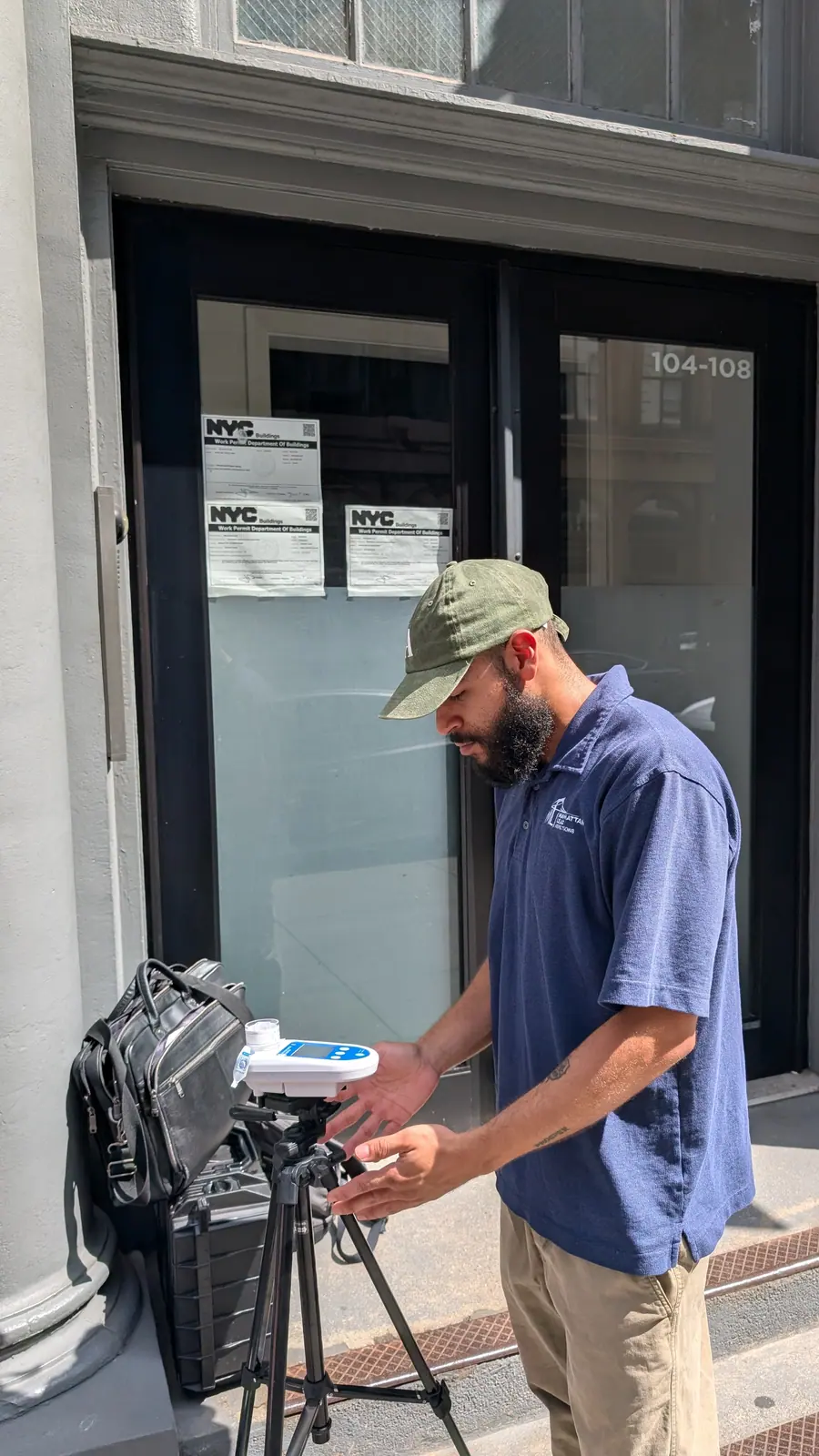
Clients who hired Manhattan Lead for inspection and reporting.
 5.0136 Google reviews
“Bryan and his team did a truly outstanding job. They were exceptionally professional, careful, thorough, and respectful of our home throughout the entire process. The quality of their work and attention to detail were excellent, including the incredibly…”
“This is the best service I've ever experienced in my life. They truly care about your concerns, health issues and go above and beyond in accommodating the schedule and tailor the service to your needs. If you are looking for a dust, mold or air quality…”
“Manhattan Lead provided me with outstanding service. They accommodated me into their schedule at the last minute. Coops have many "requirements". Manhattan Lead did everything possible to meet those requirements even after having to leave and return on the…”
“I honestly cannot say enough good things about Bryan and his team. I needed lead abatement and mold work done in my home, and they handled everything from start to finish with so much professionalism and care. They completed the job in a very short amount of…”
For a question about a specific building or inspection scope, call(212) 226-1614.
Yes. The analyzer emits a low-energy beam directed at the surface being tested, and operators are trained and certified in its safe use.
No. Nothing is scraped, drilled or removed. The reading is taken through the paint in place.
XRF gives a quantitative reading per surface and is the method NYC requires. Paint chip sampling with lab analysis is used selectively to confirm ambiguous readings or on substrates XRF reads less reliably.
No. Swab kits read only the top layer, so they miss lead buried under later coats, and HPD does not accept them.
Only if you have actual knowledge that lead-based paint is present. Local Law 31's automatic testing requirement applies to pre-1960 buildings. Call us with the address and we will tell you.
An EPA-certified lead inspector or risk assessor who is independent of the owner and of any firm hired to perform remediation.
Yes. Manhattan Lead serves Manhattan, Brooklyn, Queens, The Bronx and Staten Island.
Share the property address and reason for testing. The Manhattan Lead team will follow up about the appropriate XRF inspection scope.