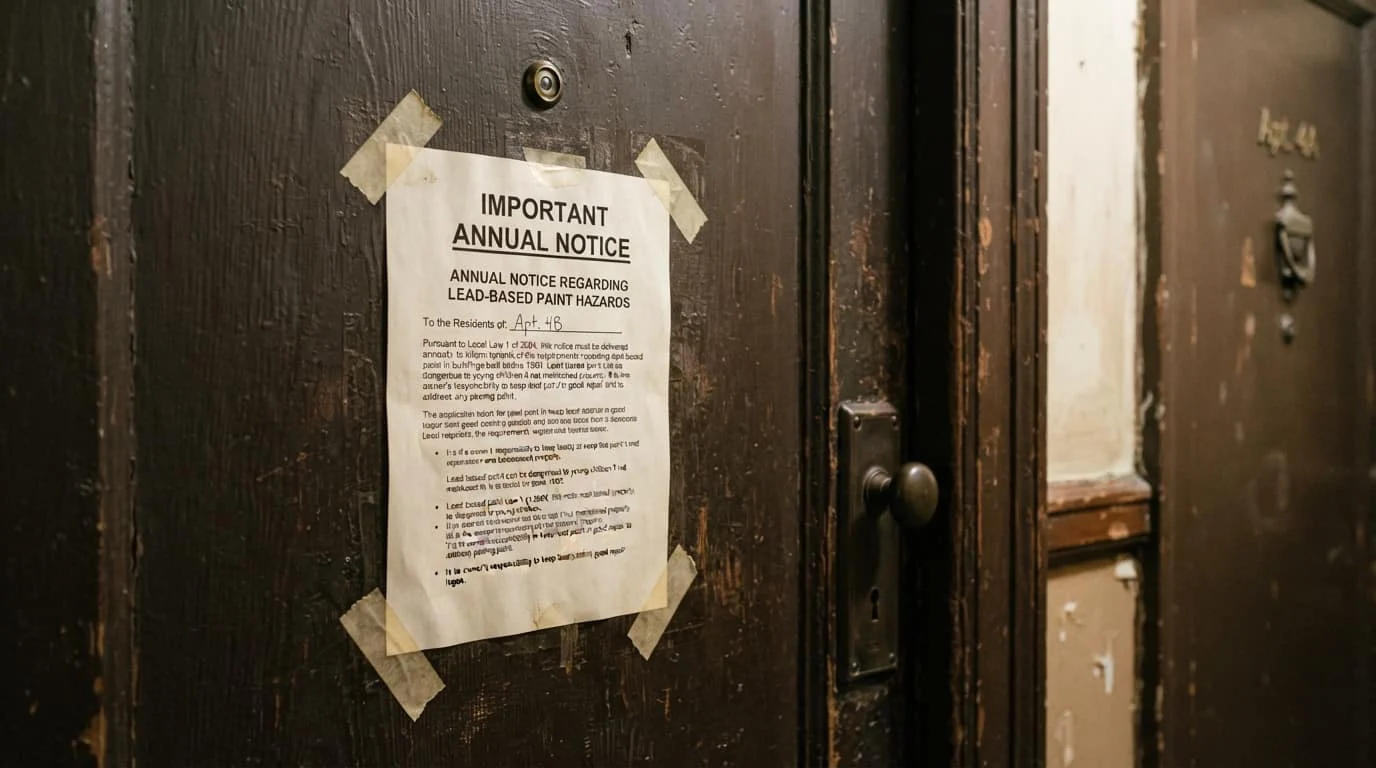
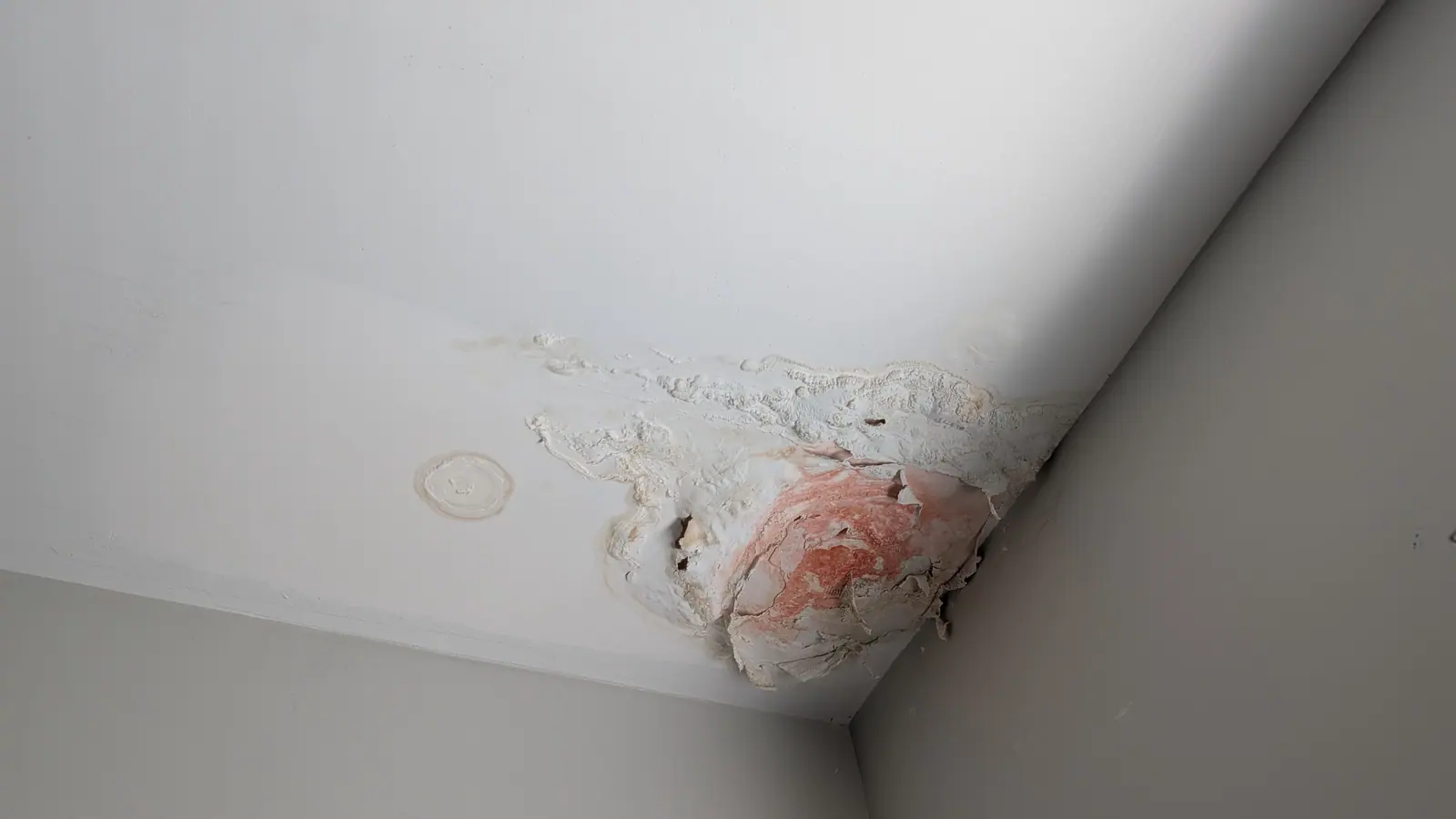
What Should a Landlord Do When a Tenant Reports Peeling Lead Paint?
When a tenant says they see chipping or flaking paint and are worried about their children, the best response is fast, written and professional: acknowledge the concern, bring in a licensed lead inspection firm, and act on what the inspection finds.
These situations can escalate quickly. A tenant who feels ignored may call the city, contact a tenant advocate or talk to a lawyer. A landlord who is unsure what the tenant actually wants may freeze, argue, or make promises they can’t keep. None of that helps. A calm, documented process protects the family, protects the building, and usually resolves the issue without anyone needing to get involved from the outside.
This guide is for landlords, property managers and co-op and condo boards in Manhattan, Brooklyn, Queens, the Bronx and Staten Island. It walks through how to respond to a tenant lead paint complaint, when to schedule a lead paint inspection, and what NYC’s Local Law 1 requires.
What the Tenant Is Weighing
A worried parent who searches online for “peeling paint and kids” will quickly find two paths: tell the landlord, or go straight to the city. In New York City, tenants can file a complaint online or call 311, and in a pre-1960 building with a child under six, HPD treats it as a lead-based paint complaint and schedules an inspection with an XRF machine.
Most tenants don’t want a fight. They want to know their children are safe. If the landlord responds quickly and visibly takes the concern seriously, the tenant has little reason to escalate. If the response is silence, delay or pushback, the city becomes the obvious next step, and a city inspection can bring violations, strict correction deadlines, and, if the owner doesn’t act, HPD emergency repairs billed back to the property.
The takeaway: the landlord’s first response largely decides which path the tenant takes.
Step 1: Respond to the Tenant’s Lead Paint Complaint in Writing, Right Away
Respond within a day, in writing, even if you don’t yet know what the tenant wants or what the paint contains. An email or letter does three things a phone call can’t: it shows the tenant they were heard, it sets expectations, and it creates a dated record.
Keep it short and factual. Don’t argue, speculate about whether lead is present, or admit fault. For example:
Dear [Tenant name],
Thank you for letting us know about the paint condition in [unit/room] on [date]. We take this seriously, especially with children in the home. We are contacting a licensed, certified lead inspection firm to evaluate the area and will follow up with you by [date] to schedule access. In the meantime, please keep children away from the affected area and let us know if the condition changes.
[Name, title, phone]
If you’re unsure what the tenant is asking for, say so politely and ask them to describe the location and condition, or send photos. Clarifying in writing is far better than guessing.
Step 2: Schedule a Professional Lead Paint Inspection and XRF Testing
The fastest way to replace worry with facts is an independent inspection by an EPA-certified lead inspector or risk assessor. A qualified firm such as Manhattan Lead will:
- Inspect the reported area and the rest of the unit for peeling, chipping or deteriorated paint
- Test painted surfaces with an XRF analyzer, which measures lead content on the spot without damaging the wall
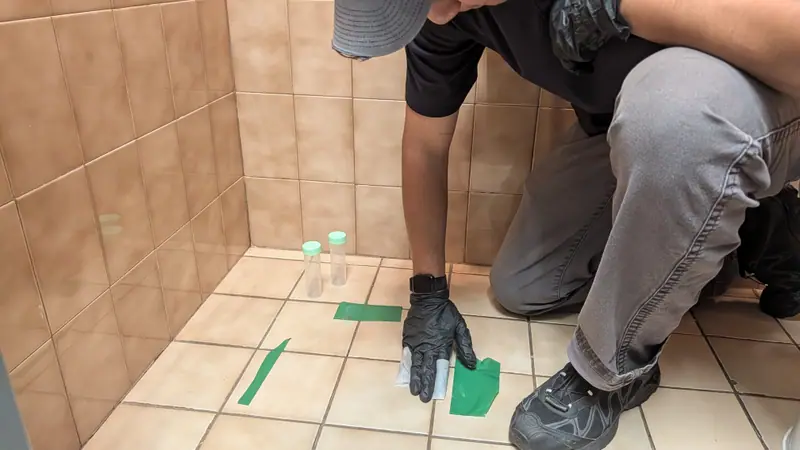
- Collect dust wipe samples from floors and windowsills, where lead dust from paint most often settles
- Identify friction and impact surfaces, like windows and doors, that can create lead dust
- Deliver a written report with findings and clear recommendations
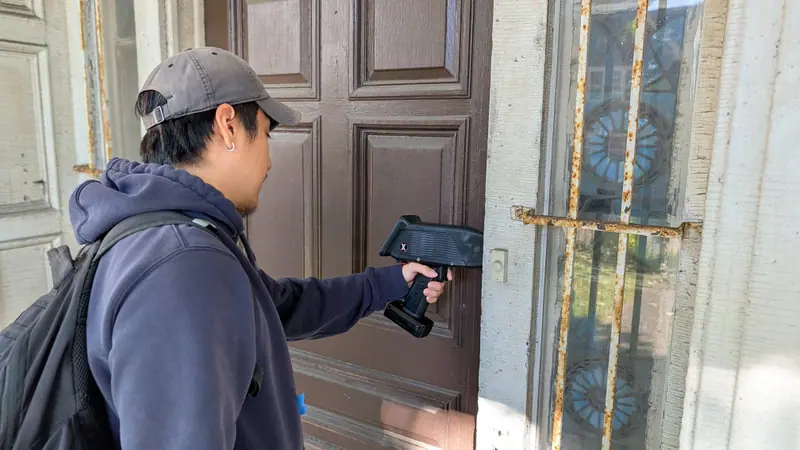
Manhattan Lead tests with the SciAps X550PB, a handheld XRF analyzer built specifically for lead-in-paint work, under EPA lead-based paint inspection firm license LBP-F239341-2. That means readings on site, through every layer of paint, and a report built for HPD.
Hiring a professional is more than a box to check. It shows the tenant, in a way they can see, that you are taking their family’s health seriously. It also gives you an objective record if the city or a lawyer ever asks what you did and when. Choose a firm that does the job correctly: certified staff, calibrated equipment, accredited lab analysis, and a report you can actually act on.
Step 4: Lead Paint Remediation or Abatement, Done Safely
If the inspection identifies lead hazards, the recommendations usually fall into one of two categories:
- Remediation (interim controls): repairing and stabilizing damaged paint, cleaning up lead dust, and addressing the cause, such as a leak or a rubbing window. This is often the right answer for localized peeling.
- Abatement: permanently removing or enclosing lead-based paint, for example replacing old windows or doors. This is common for friction surfaces and is required in some situations, such as unit turnover. See our lead abatement service.
Either way, the work must be done by certified contractors using safe work practices: containment, plastic sheeting, HEPA vacuums, daily cleanup, and no dry scraping or sanding. When the work is complete, a dust wipe clearance test confirms that no lead dust remains.
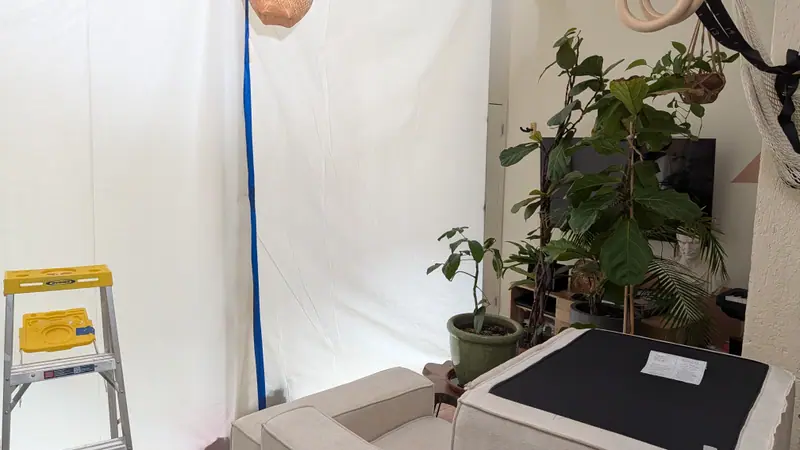
In many cases the family does not need to move out. When the work area is properly contained and cleaned, tenants can typically stay in the unit, keeping children out of the work area until clearance is passed. Larger projects may call for temporary relocation, and your inspection firm can advise on that.
NYC Local Law 1: What Landlords Must Do and Document
In New York City, Local Law 1 of 2004 requires owners of buildings built before 1960 to presume paint contains lead unless testing shows otherwise. The same applies to buildings built from 1960 to 1978 when the owner knows lead paint is present. Key points for owners and managers:
- A landlord must properly repair a lead-based paint hazard whenever a tenant reports peeling paint, whether or not there is a violation.
- Repairs must use certified firms and workers following safe work practices.
- Owners were required to have all painted surfaces in pre-1960 rental units and common areas tested for lead by August 2025 under Local Law 31.
- Records of notices, inspections and repairs must be kept for at least 10 years. See how long NYC landlords should keep lead paint records.
- HPD audits owner records, and penalties for noncompliance can be significant.
Keep a file for every tenant concern: the original request, your written acknowledgment, the inspection report, all tenant correspondence, contractor certifications, and clearance results. If the matter ever reaches HPD or a courtroom, that file is your best evidence that you acted promptly and in good faith. If a violation has already been issued, read what happens after an HPD lead paint violation, or see our HPD lead violation service.
This article is general information, not legal advice. Consult an attorney about your specific situation.
Frequently Asked Questions
What should a landlord do when a tenant reports peeling paint?
Acknowledge the report in writing within a day, schedule an inspection by a certified lead inspector, share the results with the tenant, and have any hazards repaired by certified workers using safe work practices.
Can a tenant call the city about lead paint?
Yes. NYC tenants can file a complaint online or by calling 311. In a pre-1960 building with a child under six, HPD treats it as a lead-based paint complaint and sends an inspector.
What is XRF lead paint testing?
XRF (X-ray fluorescence) testing uses a handheld analyzer to measure lead in paint directly on the surface. It gives results on site and doesn’t damage walls, trim or windows.
Do tenants have to move out during lead paint remediation?
Usually not. When work areas are properly contained and cleaned, families can typically stay in the unit and keep children away from the work area until a dust wipe clearance test is passed. Larger projects may need temporary relocation.
What’s the difference between lead remediation and lead abatement?
Remediation (interim controls) repairs and stabilizes damaged paint and cleans up lead dust. Abatement permanently removes or encloses lead-based paint, for example by replacing old windows.
Which NYC buildings are covered by Local Law 1?
Rental buildings built before 1960, and buildings built from 1960 to 1978 where the owner knows lead paint is present. This includes tenant-occupied units in one- and two-family homes and rented co-op and condo units.
The Bottom Line
A tenant’s lead paint concern doesn’t have to become a city complaint or a legal dispute. Acknowledge it in writing, bring in a certified professional, share the results, and fix what’s found safely. That approach protects children, builds trust, and keeps you in control of the outcome.
If a tenant has raised a paint concern in one of your buildings, Manhattan Lead can help, anywhere in New York City. Our EPA-certified inspectors will evaluate the unit, explain the findings in plain language, and recommend the right next steps. Call or book a lead paint inspection or XRF test online.
Source: Lead-Based Paint, NYC Department of Housing Preservation and Development