

Independent EPA-certified inspection

EPA-certified lead paint inspectors for New York City properties.

Independent, EPA-certified lead paint inspectors serving all 5 boroughs. Third-party XRF testing for Local Law 31 compliance and HPD violations. Call (212) 226-1614.

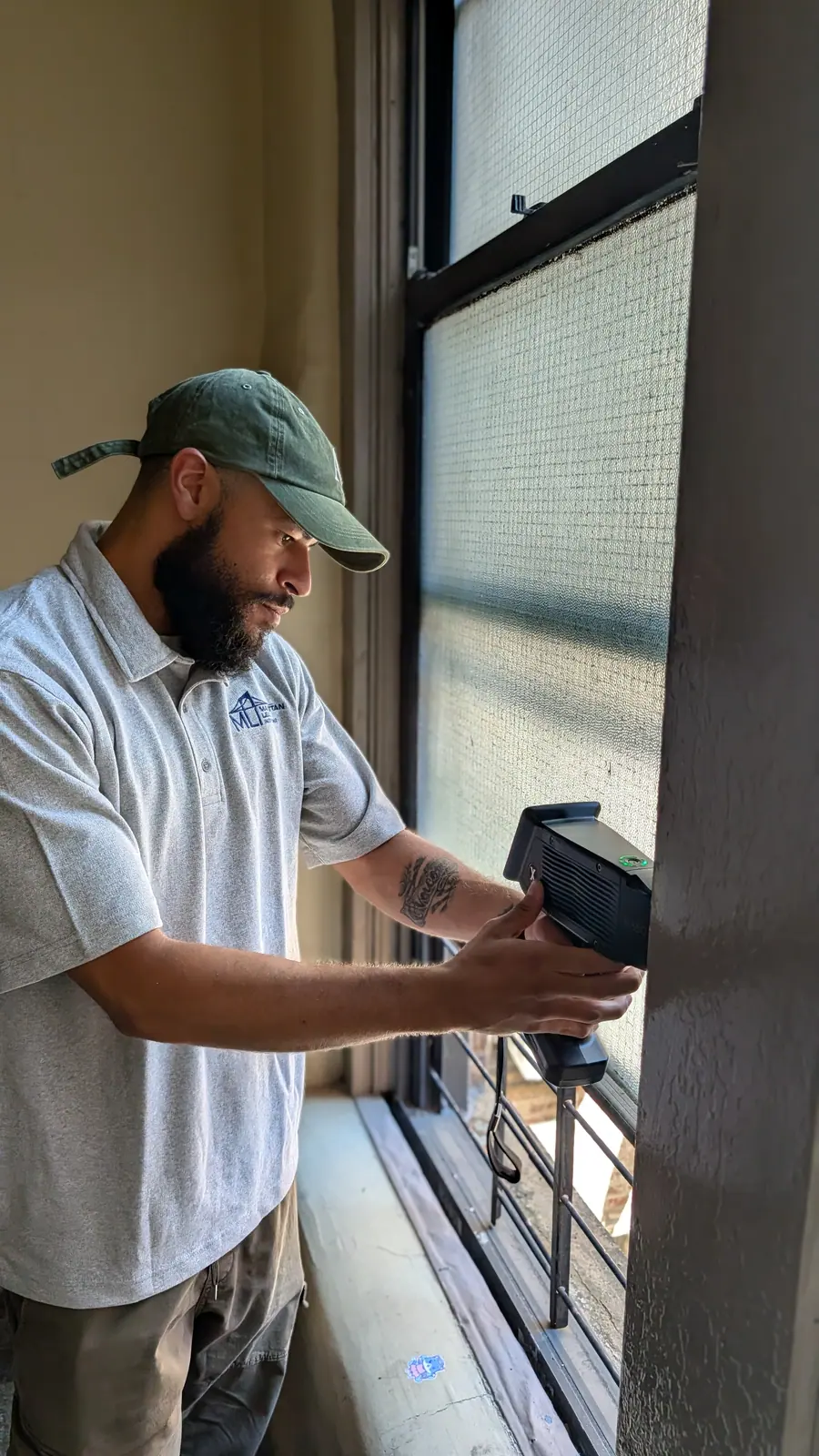
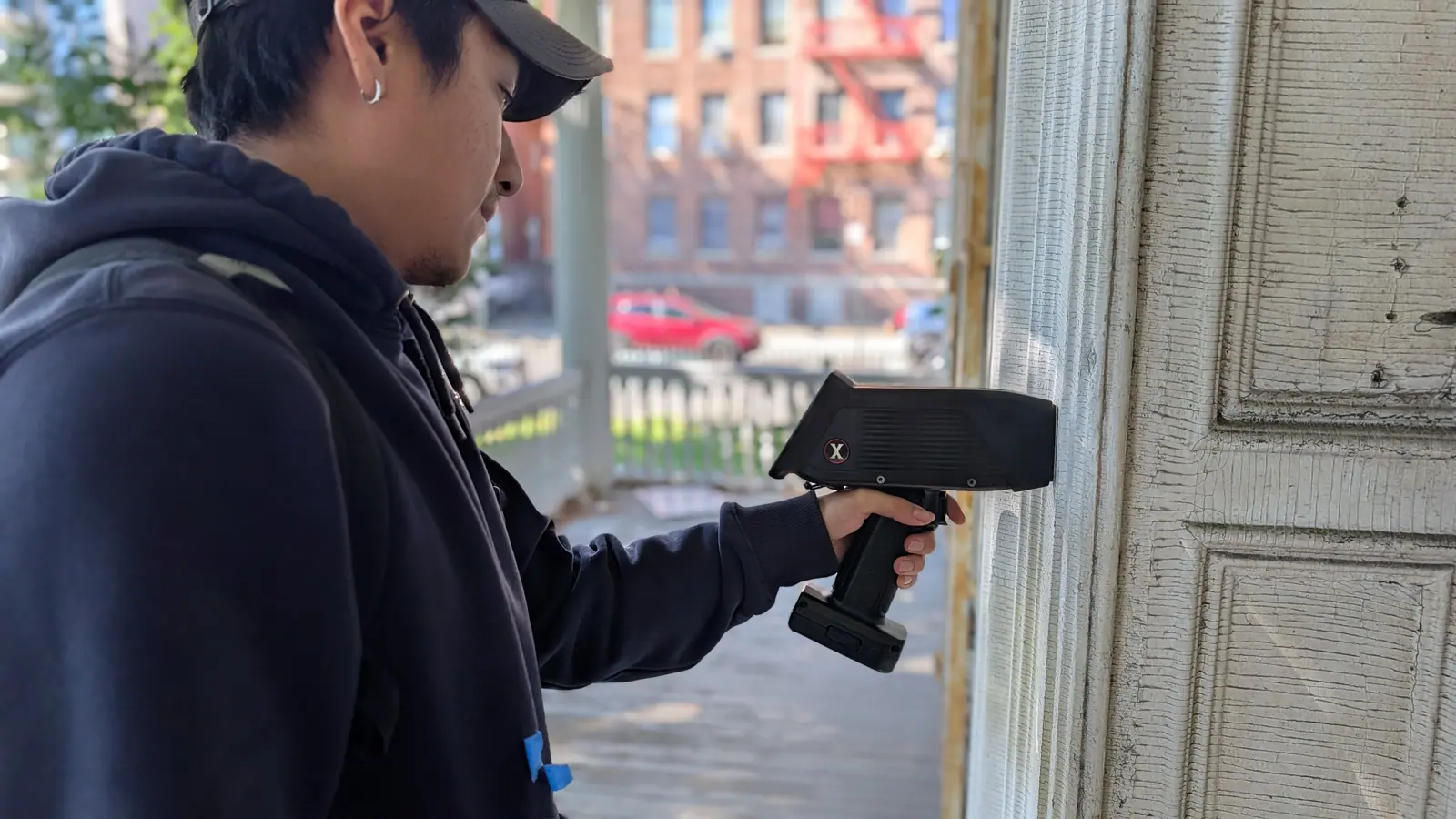
Original photograph of an EPA-certified inspector using XRF equipment in a New York City property
Certification and NYC standards
United States Environmental Protection AgencyNew York City Housing Authority
Inspection scopeDwelling units and required common areas
Third partyindependent inspection
XRFnon-destructive testing
5 boroughsNew York City coverage
What the certification means

Independent testing, documented for the property.

An EPA-certified lead paint inspector is a professional licensed by the U.S. Environmental Protection Agency to identify lead-based paint using an XRF analyzer and issue reports that satisfy federal and New York City requirements. In NYC, Local Law 31 requires that this inspection be performed by a third party—an inspector independent of the building owner and of any firm hired to do the remediation work.

Manhattan Lead Inspections is an EPA-certified firm providing independent lead paint inspections across Manhattan, Brooklyn, Queens, the Bronx, and Staten Island.

IndependentThe inspector must be separate from the owner and any remediation firm.
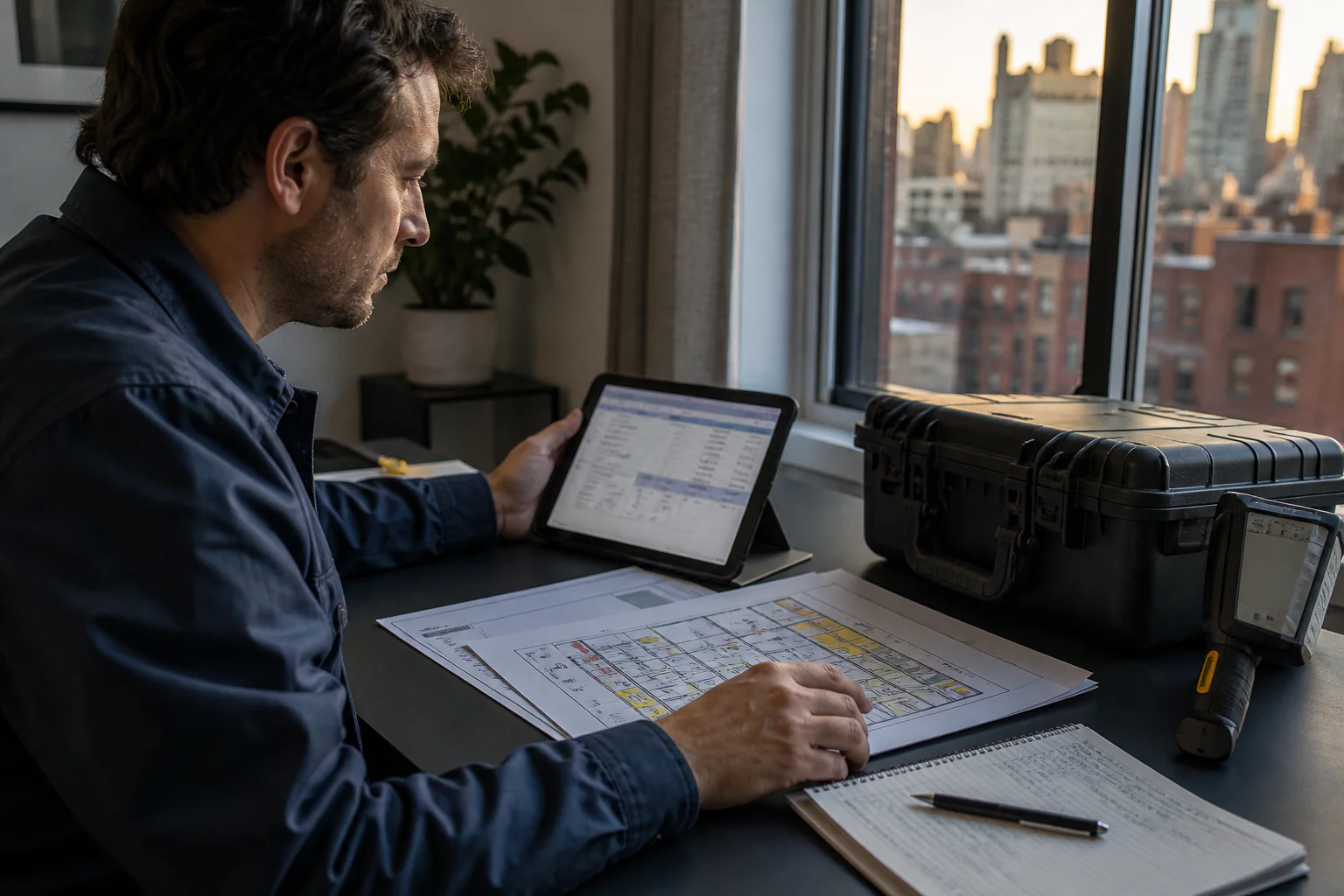
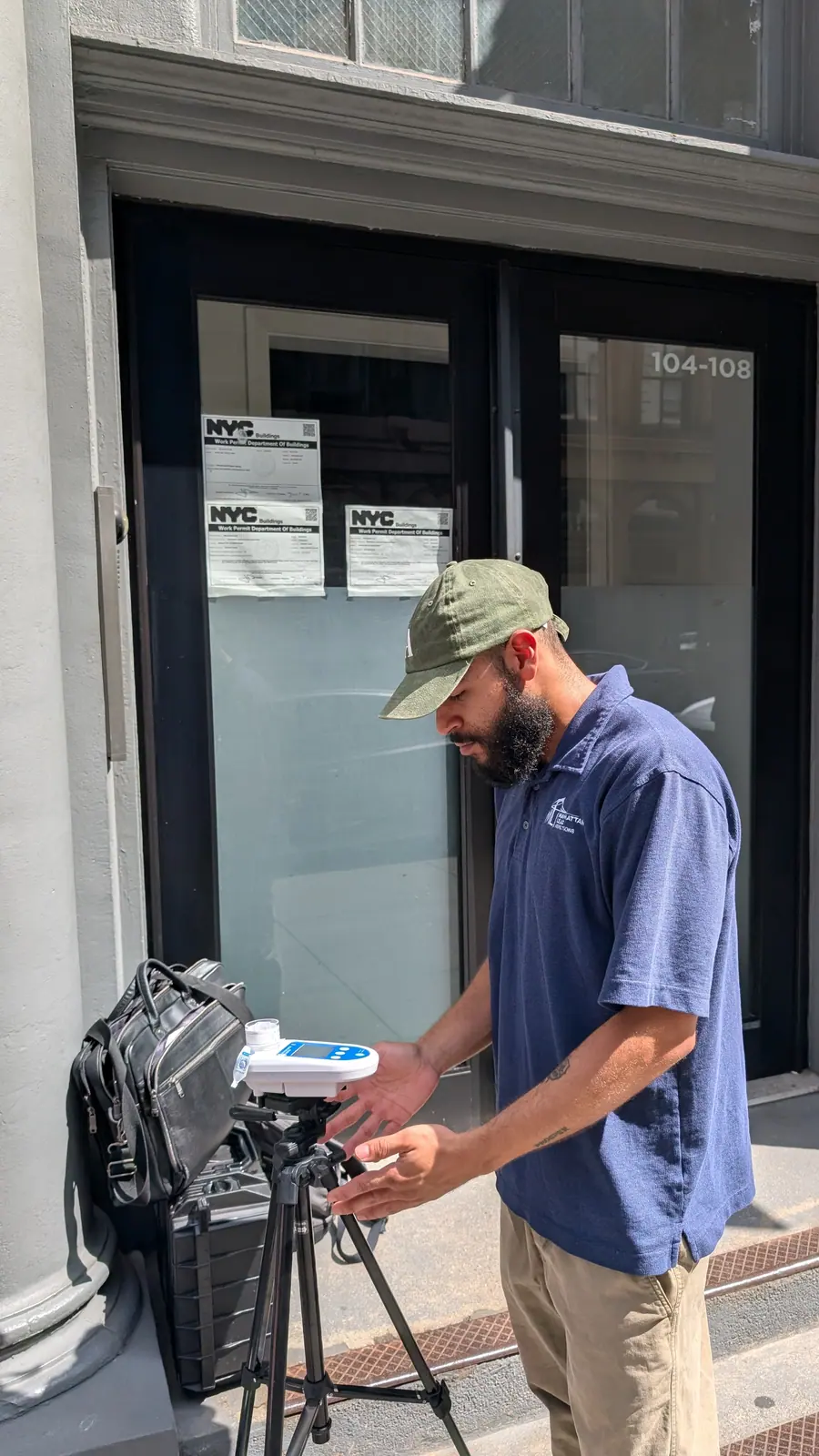
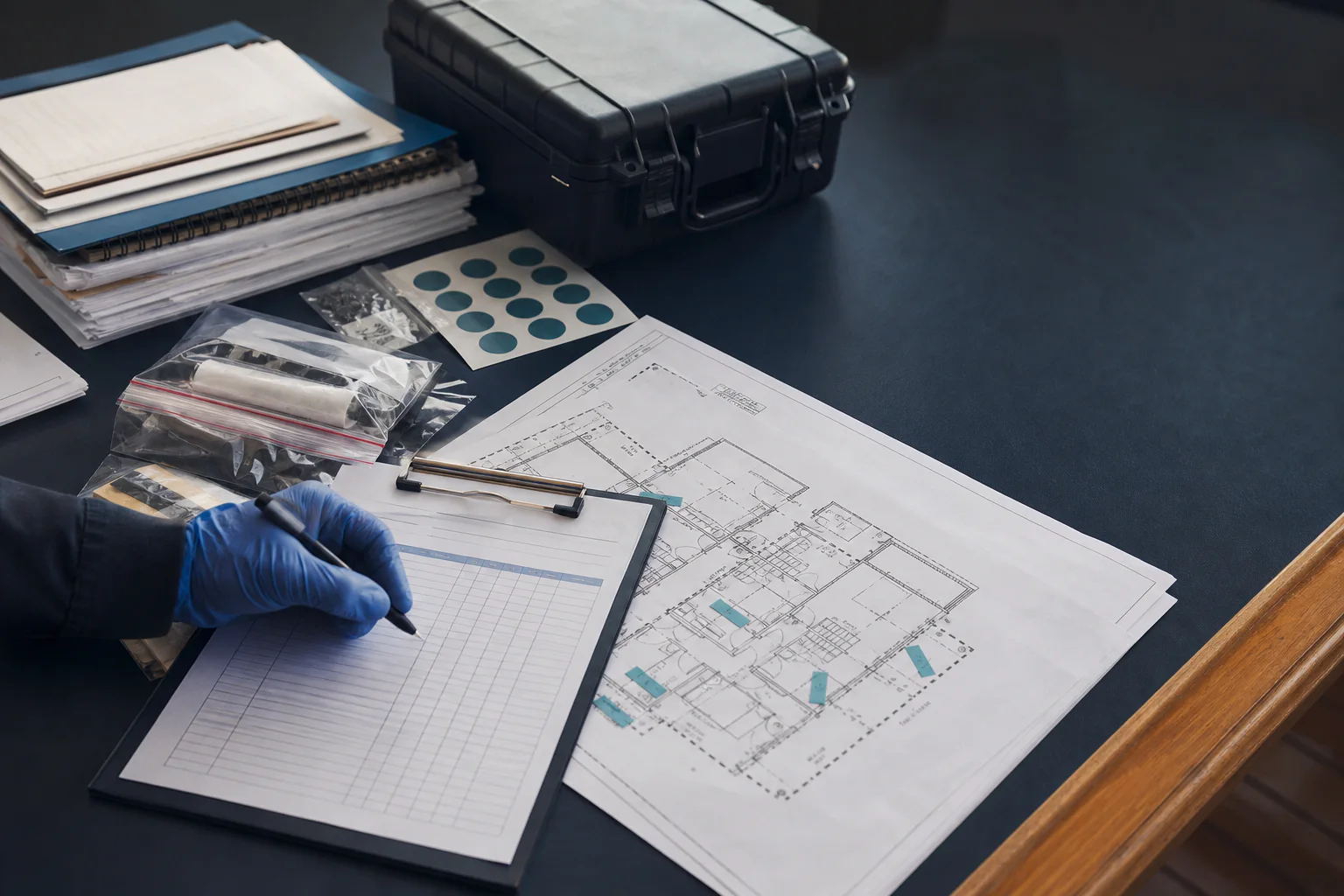
Original image of a certified environmental inspection team preparing for fieldwork
EPA-certified inspection planning for an NYC property
Original image of organized lead inspection records prepared for a property compliance review
Compliance statusDeadline passedRequired by
Missed-deadline guidance

The Local Law 31 deadline has passed. Here’s where you stand.

The Local Law 31 compliance deadline was August 9, 2025. HPD’s current guidance says that covered owners who have not completed the required XRF testing should make testing their first step and maintain the full documentation.

Enforcement update · March 2026HPD says lead-record audits and enforcement are continuing.

HPD’s current testing FAQ says missing the requirement may result in a Class C immediately hazardous violation and a $1,500 civil penalty per unit or common area. In March 2026, HPD also reported more than $150,000 in civil penalties and correction orders from recent lead-record cases.

Read the HPD enforcement update
  1. Complete the XRF testing now

    Arrange testing of every applicable rental unit and common area by an independent EPA-certified lead inspector or risk assessor. Current testing uses the 0.5 mg/cm² action level.

  2. Keep a complete 10-year record

    Retain the XRF reports, the inspector and firm’s EPA certifications, the inspector affidavit and any documented attempts to obtain access. Provide these records to HPD when requested.

  3. Respond correctly to positive results

    The next step depends on whether paint is peeling, whether a child under six resides in the unit or building, and whether HPD or DOHMH has issued a violation. Hazard work may require a certified abatement firm and independent dust-clearance testing.

  4. Apply for an exemption when eligible

    If testing shows no lead-based paint—or documented abatement has permanently addressed it—consider applying through HPD’s Lead Exemption Online Portal. An exemption is not effective until HPD grants it.

  5. Continue annual obligations

    Until an applicable exemption is granted, continue the required annual notice process, visual investigations and recordkeeping. HPD says these are ongoing responsibilities, separate from the one-time XRF test.

Lead-law context

Are you in compliance with lead-based paint laws?

The older your house, the greater the chance that it contains lead-based paint. For instance, almost 87% of houses built before 1940 contain some level of lead-based paint, while 24% of houses built from 1960 onwards still have lead-based paint present.

The presence of lead-based paint in any house is a concern, especially if children are living there. That’s why the EPA has enforced certain regulations to ensure the safety of people on such premises.

In New York City, Local Law 31 primarily covers rental properties built before 1960 and rental properties built between 1960 and 1978 where the owner has actual knowledge of lead-based paint. The exact scope depends on the building type, occupancy and any applicable HPD or DOHMH order.
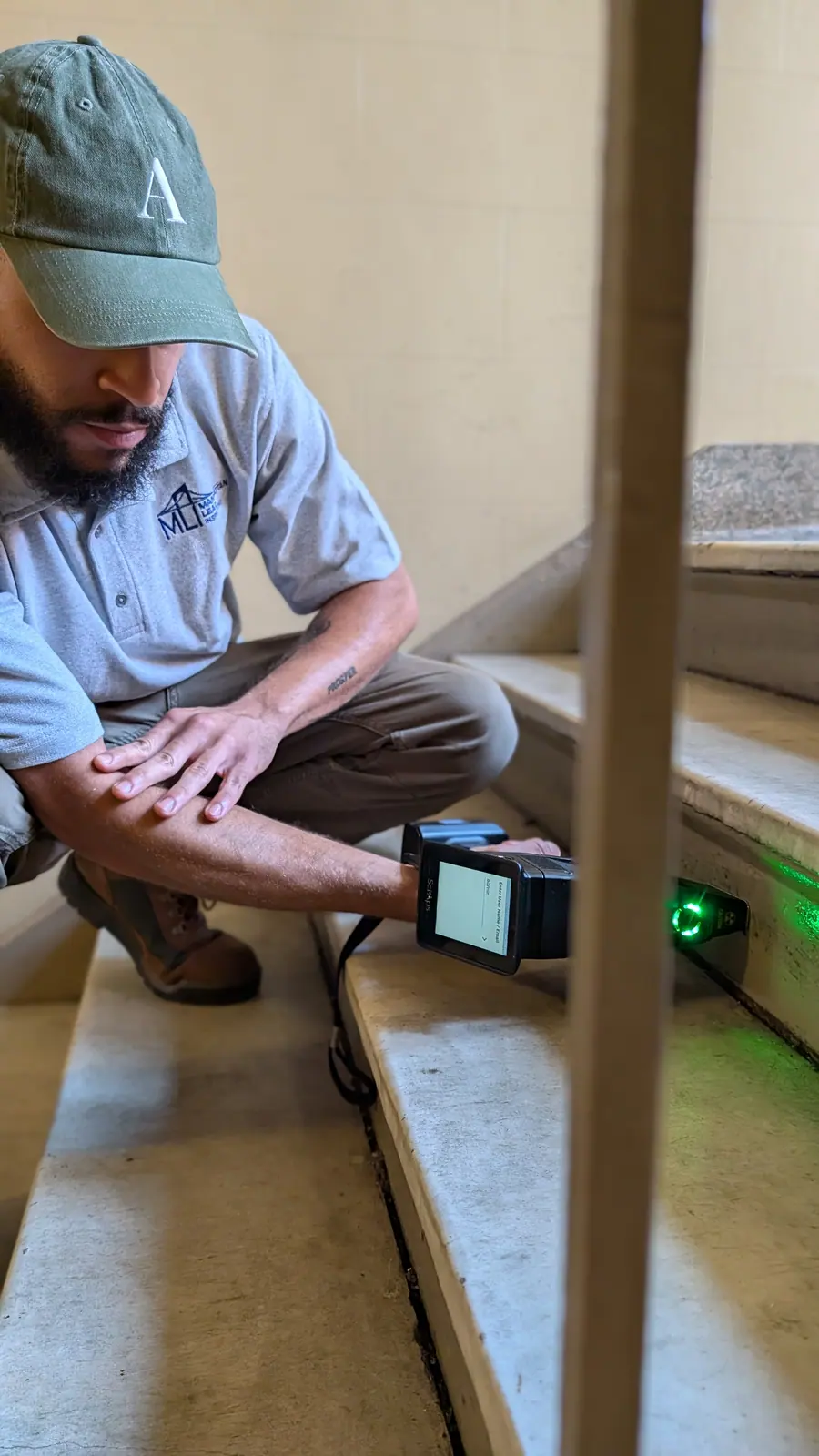
Original image of XRF testing in a New York City multifamily building common stairwell
NYC requirementProperty age and known lead conditions determine the applicable inspection scope.
NYC, not statewide

What is a local law in New York City?

“Local Law” in New York City refers to a law passed by the New York City Council that applies only within the five boroughs of New York City. It is different from a New York State law, which applies throughout the entire state. Local laws are authorized under New York’s Municipal Home Rule Law and become effective after they are adopted and filed with the New York State Department of State.

XRF inspection scope

Every required painted surface is part of the inspection.

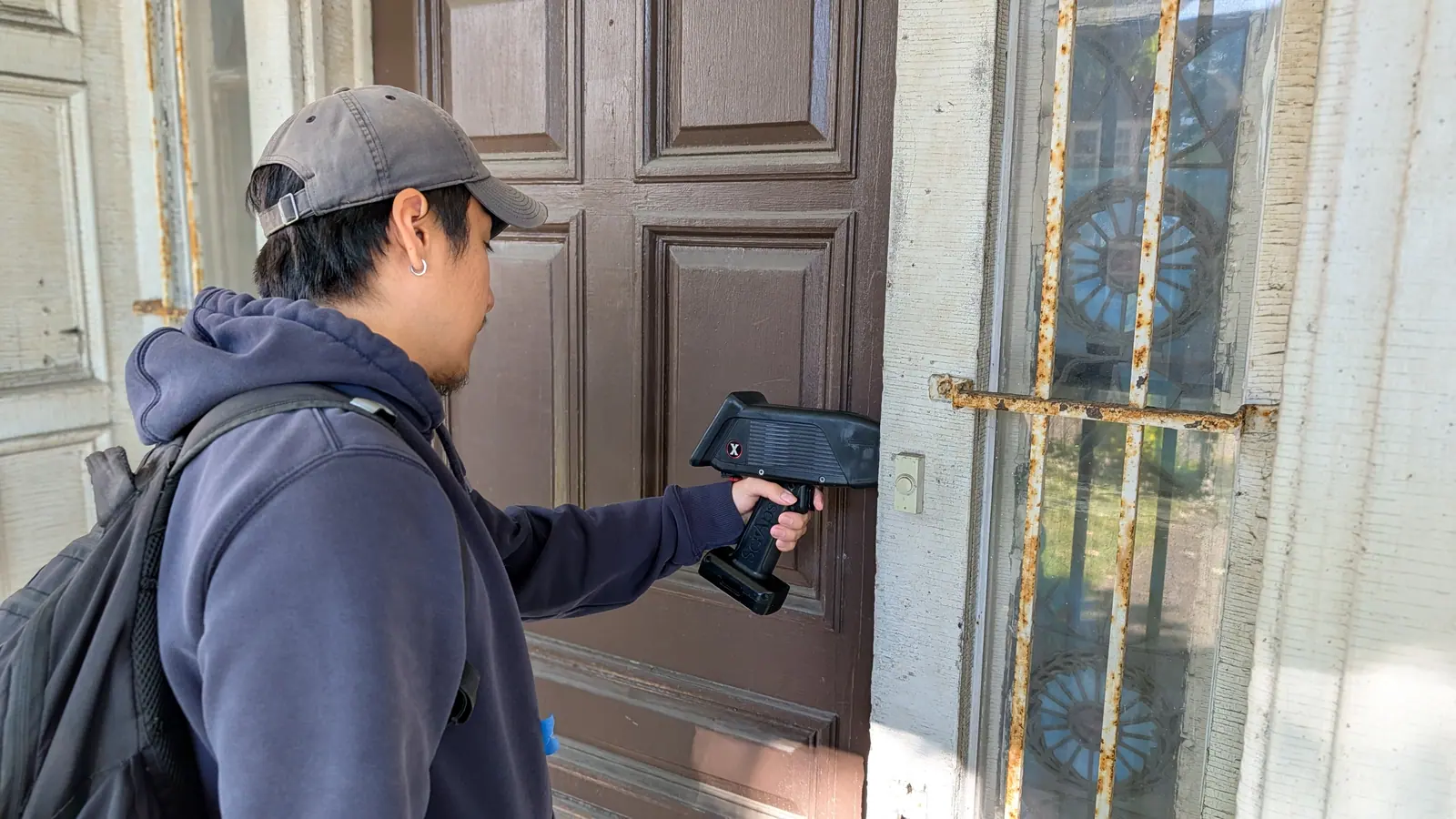
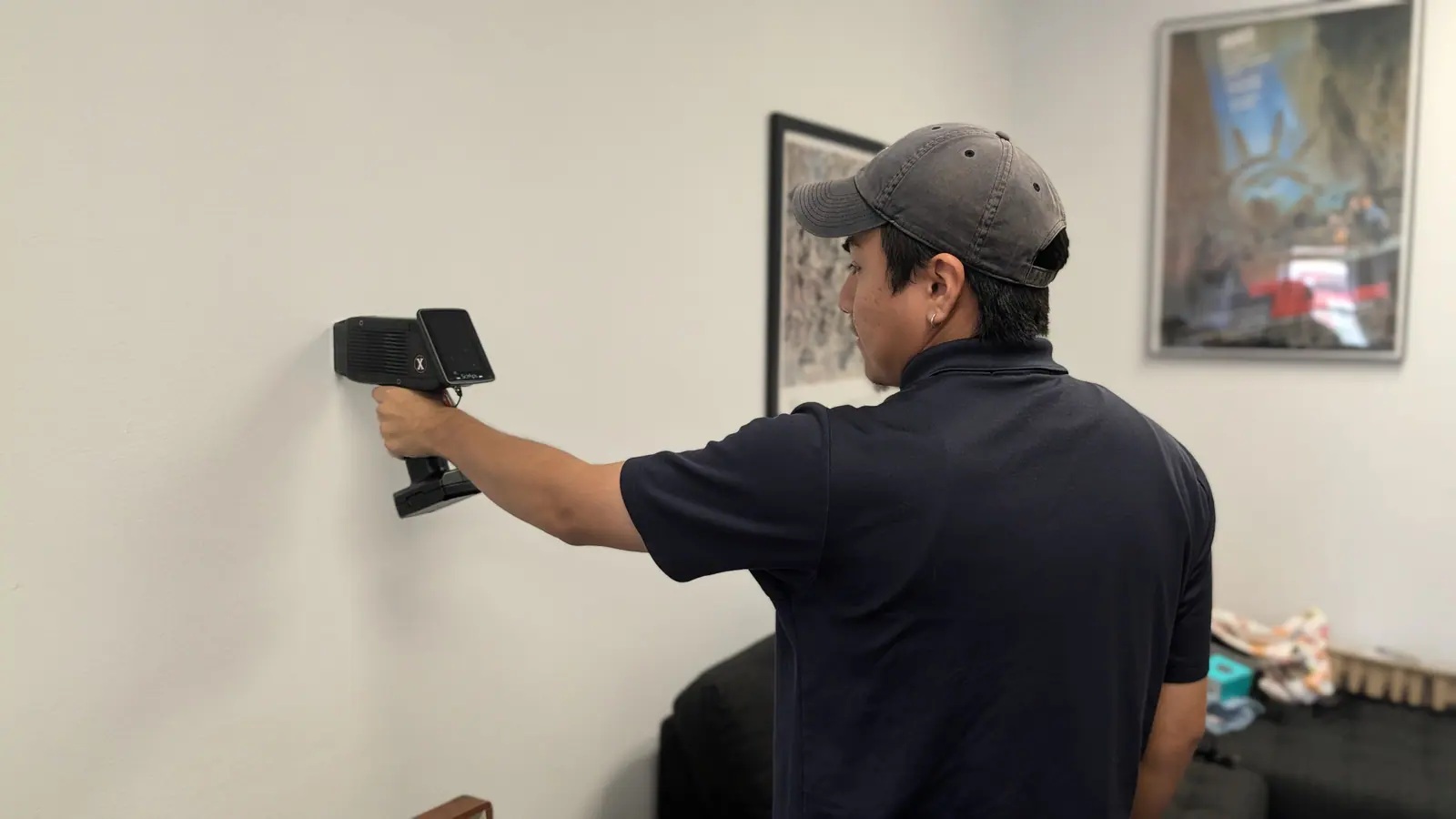
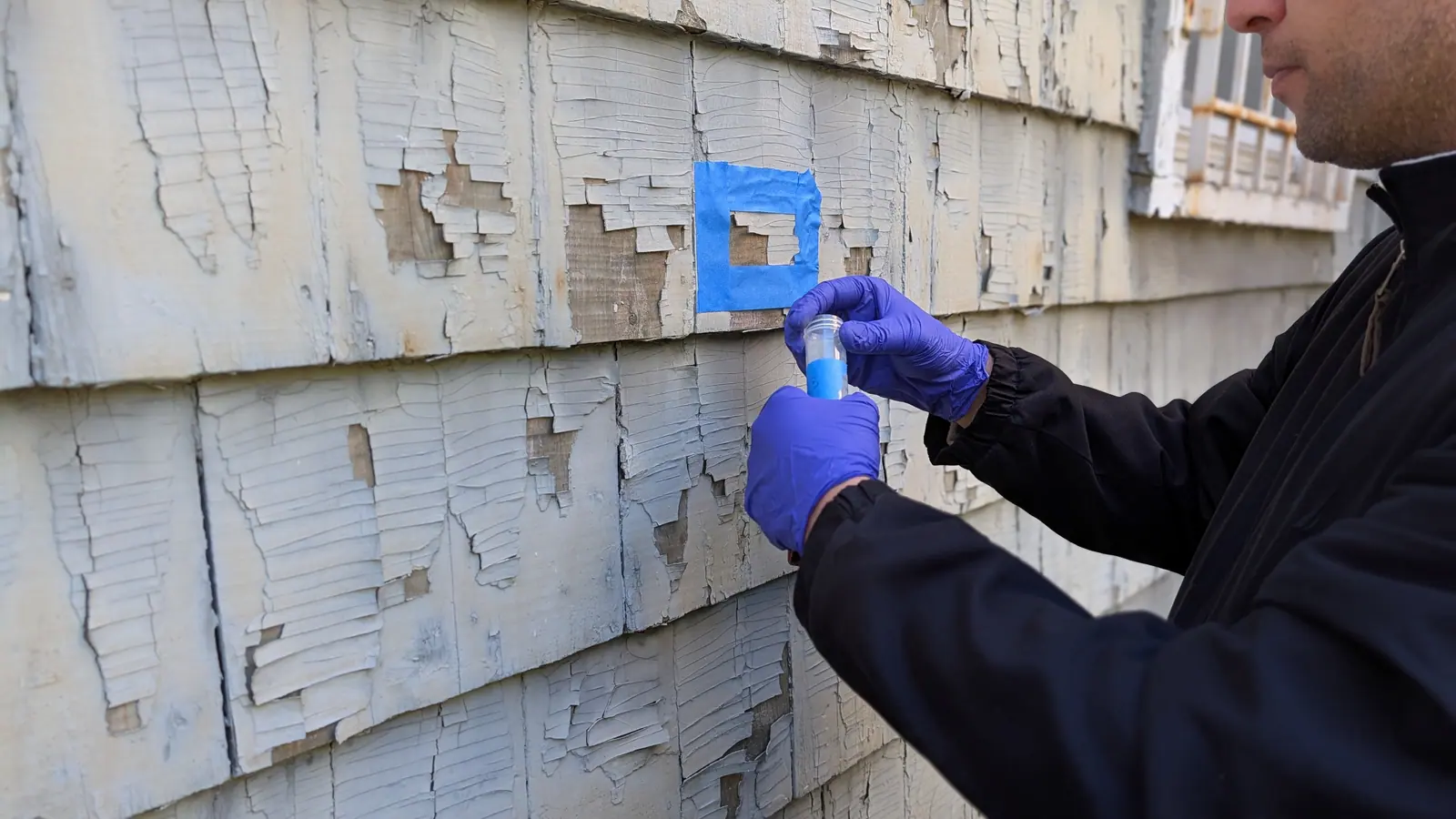
We test every painted surface required for compliance using a handheld XRF analyzer. No paint removal, no drilling and no damage.

Walls and ceilings
Doors, door frames, and door casings
Windows, window sills, sashes, and frames
Baseboards, trim, and molding
Closets, cabinets, shelving, and built-ins
Radiators and radiator covers
Stair treads, risers, railings, and balusters
Common areas: hallways, lobbies, stairwells, and laundry rooms
Exterior surfaces where applicable
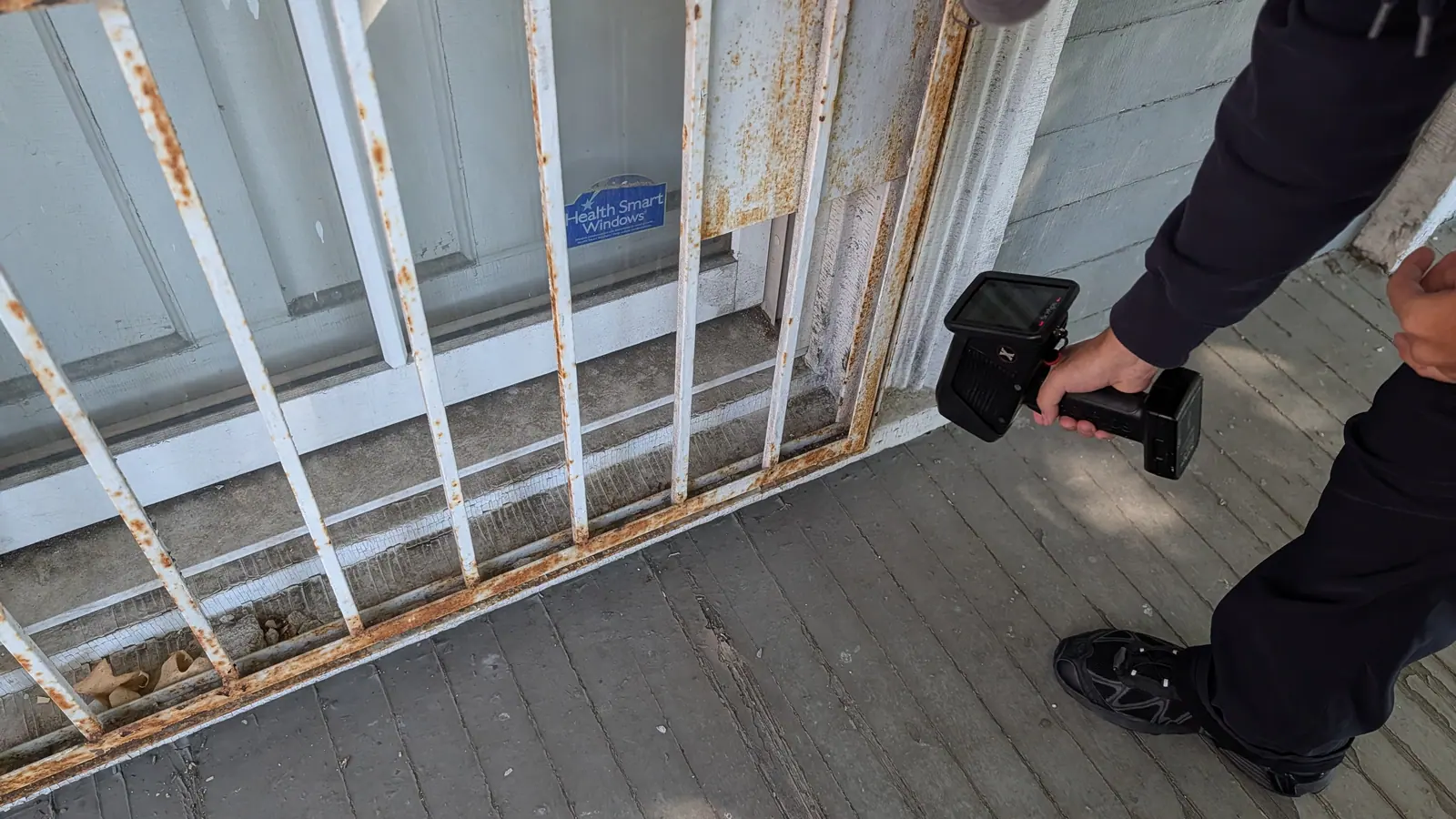
Original close view of non-destructive XRF testing on a painted window sill
Non-destructive XRF testing reads through paint layers without scraping the surface.
When an inspection is needed

Six situations that should move testing to the top of the list.

Hire an EPA-certified lead paint inspector when the property, occupants or planned work create a clear need for verified results.

Original image of lead inspection planning before an apartment renovation
Inspection planning starts with the property and the reason for testing.
Occupants

Child exposure concern

If your child is prone to lead poisoning. Lead-based paint and lead dust are common home-based sources that when inhaled can result in lead poisoning.

Project

Renovation planning

If you’re renovating or remodeling your home and need to ensure that no lead-based paint is used during the construction period before 1978.

Compliance

Older building compliance

If a covered rental property missed the August 9, 2025 deadline, the testing obligation remains. Arrange the required XRF inspection now and maintain the complete property record.

Property

Purchase or rental

You’re planning to rent or purchase a house and government regulations stipulate that your property has to be tested for lead.

Facility

Daycare environment

If you are an employee of a daycare center and need to be certain that no lead-based paint is poisoning the air for you.

Home

Household protection

You need a total care package for the safety of your pets, family members and visitors.

Choose the correct professional

Lead inspector or risk assessor?

Both roles can identify lead-based paint, but the assessment and recommendations are not the same.

ScopeLead inspectorRisk assessor
Determines whether lead-based paint is presentYesYes
Evaluates whether existing lead is a hazard (deteriorated paint, dust, soil)NoYes
Recommends specific control or abatement optionsNoYes
Sufficient for Local Law 31 XRF testingYesYes
Typically needed when a child has an elevated blood lead level—Yes

For Local Law 31: For straightforward Local Law 31 compliance testing, a certified inspector is sufficient. If you have a child with an elevated blood lead level, an open HPD violation, or deteriorated paint you already know about, a risk assessment is the more useful document.

What our professionals do

Fieldwork that leads to a usable answer.

The inspection is more than a set of readings. The property receives a defined scope, documented results and a practical route forward.

Accurate property assessment

Our EPA-certified lead inspector has the experience and knowledge to accurately assess your property for lead-based paint.

Reliable test results

Our team conducts a thorough inspection and provides reliable, accurate results that include lead-based paint testing and detailed analysis.

Follow-up services

We also provide follow-up services including lead abatement, repair and clean-up to help the property comply with current lead-paint requirements.

Original image of an inspector reviewing XRF findings and a property component map
Inspection recordPDF
Manhattan Lead InspectionsInspection record

Property findings

Property
Components
Readings
Results

Tested surfaces, readings and results are organized for the property record.

Local Law 31 coverage

Which New York City buildings are covered?

Local Law 31 of 2020 applies to the following property categories.

Multiple dwellings built before 1960—regardless of whether any children live in the building.

Multiple dwellings built between 1960 and 1978 where the owner has actual knowledge that lead-based paint is present.

One- and two-family rentals falling under the expanded scope of Local Law 29 of 2020, except units occupied by the owner’s own family.

1960 is NYC’s primary threshold

1978 is the year the federal government banned lead paint in residential use. New York City’s testing requirement uses 1960 as its primary line, because pre-1960 buildings carry dramatically higher risk. A building constructed in 1972 without known lead paint may fall outside LL31 testing, while Local Law 1 and turnover obligations may still apply. Confirm before assuming.

Common areas count

Local Law 111 of 2023 extended the testing requirement to hallways, lobbies and stairwells. An inspection covering only apartments is incomplete.

Older reports and exemptions use different rules

HPD says an earlier XRF report at 1.0 mg/cm² can satisfy the testing requirement if the owner retains the report. A new test at the 0.5 mg/cm² action level is required when applying for a Lead-Free Exemption.

Knowledgeable lead paint professionals

Questions property owners ask before testing.

For a question about a specific property, call(212) 226-1614.

Can my abatement contractor also do my Local Law 31 inspection?

No. Local Law 31 requires the inspection be conducted by a third party independent of both the owner and any firm hired to perform remediation. If the same company inspects and remediates, HPD may reject the inspection.

What’s the difference between an EPA-certified inspector and a risk assessor?

An inspector determines whether lead-based paint is present. A risk assessor does that and also evaluates whether it currently presents a hazard, and recommends specific controls. Either satisfies Local Law 31 testing; a risk assessment is more useful if you have deteriorated paint, an open violation, or a child with an elevated blood lead level.

I missed the August 2025 deadline. What happens now?

The obligation didn’t go away. Testing now is how you stop the exposure from growing and put yourself in a position to respond when HPD requests records. Non-compliance is a Class “C” hazardous violation carrying civil penalties, and since August 2025 HPD can demand your records immediately upon issuing a violation.

My building was tested in 2019. Does that still count?

HPD says an XRF report at the former 1.0 mg/cm² action level can satisfy the testing requirement if you retain the report. However, a Lead-Free Exemption application requires testing at 0.5 mg/cm², and common areas may still need separate coverage. Review the full report and property scope before relying on it.

Can I use a home test kit or do a visual inspection instead?

No. NYC requires XRF testing performed by a certified inspector. Hardware-store swab kits and visual inspections are not compliant and will not be accepted by HPD.

Is XRF testing destructive? Will it damage my walls?

No. XRF is non-destructive. The analyzer reads through paint layers without removing anything. Nothing is scraped, drilled, or sanded.

Do you serve all five boroughs?

Yes—Manhattan, Brooklyn, Queens, The Bronx and Staten Island.

Plan the inspection

Confirm the right scope before scheduling.

Share the property address, year built, number of units and reason for testing. Manhattan Lead will help determine the appropriate inspection service.

Request an Inspection
Areas we serve

EPA-certified lead inspection across New York City.

Manhattan Lead serves residential and commercial properties in Manhattan, Brooklyn, Queens, The Bronx and Staten Island.

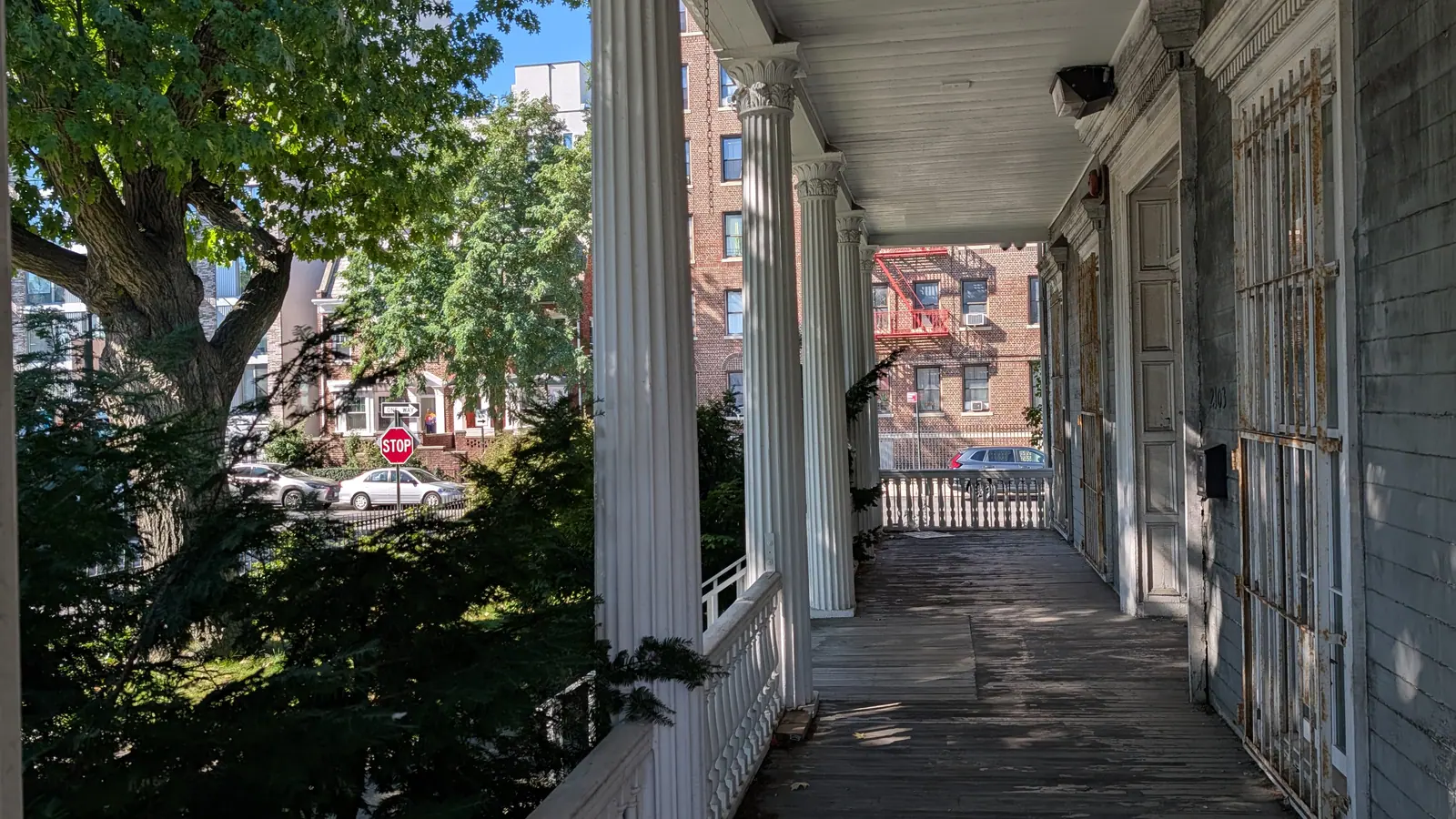
Original panoramic view across New York City residential buildings and the skyline
NYCFive borough coverage
Client feedback

Trusted for careful field work.

Reviews from clients who hired Manhattan Lead for inspection and compliance services.

“Bryan was incredibly helpful. He let me know I did not need the test based on the date of construction. I appreciate his patience and honesty.”

Enitan AdebonojoYelpYelp review

“Using them was easy. They came to our building in Brooklyn and performed XRF lead paint inspections and gave us great service.”

Joseph R.GoogleGoogle review

“Manhattan Lead Inspections has been an absolute asset for our management company. We are always confident in their lead inspections.”

Anthony MeloneFacebookFacebook review

“Brian and the team have done work for corporate clients and individual ones, and we have been tremendously pleased.”

Yan MargolinYelpYelp review
Schedule an inspection

Tell us about the property.

Share the address, building type and reason for testing. Our team will confirm the appropriate scope before scheduling.

Call(212) 226-1614Emailinfo@manhattanlead.comVisit112 Bowery #9, New York, NY 10013

By submitting this form, you agree to be contacted about your request. Your information will be handled according to Manhattan Lead’s privacy practices.