What Is XRF Lead Testing and Why Does It Matter?
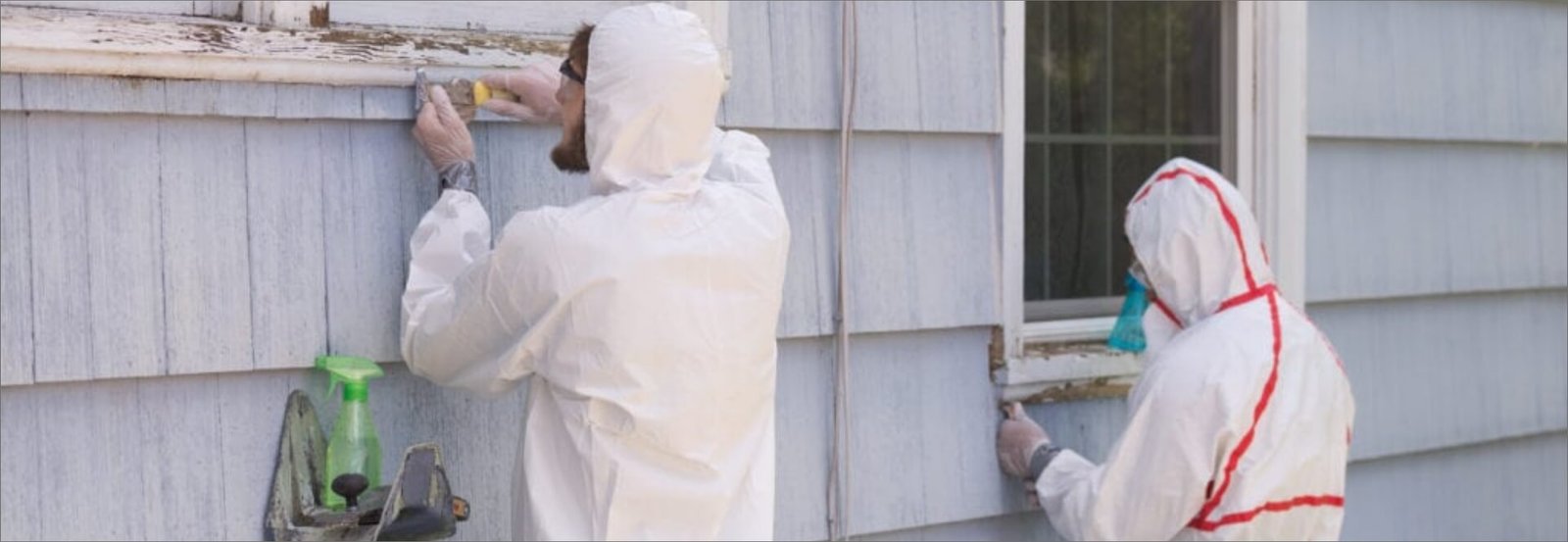
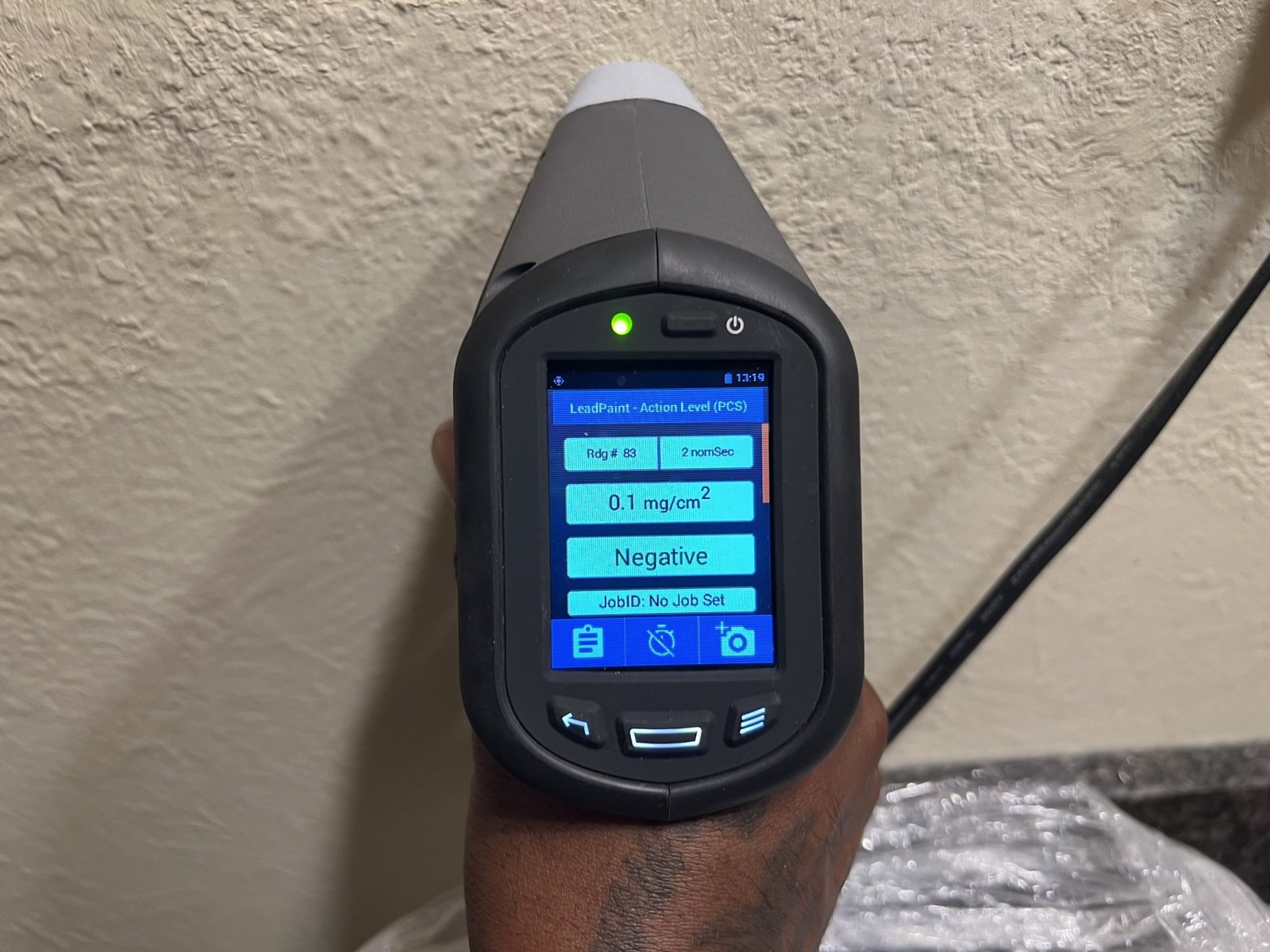
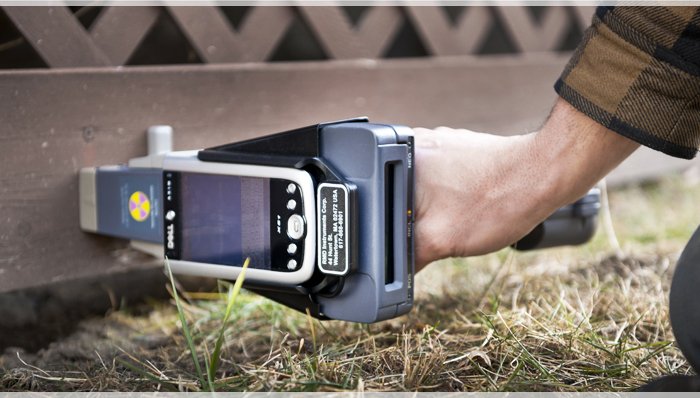
XRF, or X-ray fluorescence testing, is a method for detecting lead on painted surfaces without damaging them. A handheld device is used to scan walls, doors, windows, and other surfaces. Within seconds, the device measures the amount of lead present.
This method has become the standard for several reasons:
- It provides immediate and accurate results
- It does not require scraping or removing paint
- It allows entire apartments to be tested efficiently
- It produces detailed reports that can be used for legal compliance
In New York City, XRF testing is not just recommended; it is required under certain local laws, especially for buildings constructed before 1960.
Why HPD Violations Are So Common
HPD violations related to lead paint are among the most frequently issued housing violations in NYC. Understanding why they occur helps clarify how XRF testing prevents them.
Lack of Proper Testing
Many violations stem from the absence of certified lead testing. If a building has not undergone XRF inspection, the city assumes that lead-based paint is present. This assumption alone can trigger compliance obligations and potential violations.
Failure to Maintain Records
Even after lead paint testing is complete, missing or incomplete documentation can result in violations. HPD requires property owners to maintain records for years and to provide them upon request.
Delayed Response to Hazards
If peeling paint or damage is reported and not addressed promptly using approved lead-safe methods, violations are issued quickly, often with strict deadlines for correction.
Missed Deadlines
Recent updates to NYC law have introduced firm deadlines for completing XRF testing across applicable units. Missing these deadlines is one of the most direct paths to receiving a violation.
Also read: Commercial Property Lead Paint Inspections in NYC
How XRF Testing Changes the Compliance Landscape
XRF testing does more than identify lead; it fundamentally changes how property owners manage compliance.
Eliminating Uncertainty
Without testing, property owners operate under assumptions. With XRF testing, there is clear, measurable data showing whether lead is present and where it exists.
This clarity allows for informed decision-making. Owners can distinguish between areas that require action and those that do not.
Establishing a Baseline
An XRF report creates a baseline record of a building’s condition at a specific point in time. This record becomes a reference for future inspections, repairs, and compliance checks.
Supporting Long-Term Planning
Rather than reacting to complaints or violations, property owners can use XRF data to plan maintenance and remediation over time. This reduces the likelihood of sudden enforcement actions.
The Direct Link Between XRF Testing and Avoiding HPD Violations
XRF testing plays a direct role in preventing violations in several key ways.
Providing Proof of Compliance
HPD enforcement relies heavily on documentation. When a violation is issued, property owners are often required to provide evidence that they have met their obligations.
An XRF report serves as official proof that:
- The property has been inspected
- Lead levels have been measured
- Compliance steps have been taken
Without this documentation, it becomes difficult to defend against violations.
Preventing “Presumed Lead” Violations
In the absence of testing, NYC law often assumes that lead-based paint is present in older buildings. This presumption places the burden on property owners to act as if lead exists, even if it does not.
XRF testing removes this uncertainty. If the results show that lead levels are below regulatory thresholds, those surfaces can be treated as lead-free. This significantly reduces compliance obligations and the risk of violations.
Enabling Early Detection of Hazards
One of the most effective ways to avoid violations is to address issues before they are reported.
XRF testing identifies areas where lead is present, allowing owners to:
- Monitor those areas more closely
- Perform maintenance before deterioration occurs
- Prevent tenant complaints that could trigger inspections
By catching problems early, owners stay ahead of enforcement.
Supporting Proper Remediation
When lead is identified, it must be addressed using specific procedures. Improper handling can worsen the situation and lead to additional violations.
XRF testing pinpoints exactly where lead exists, allowing for targeted remediation. This reduces the scope of work and ensures that efforts are focused where they are needed most.
Strengthening Legal Defense
In cases where violations are disputed, documentation becomes critical.
An XRF report can be used to:
- Demonstrate that testing was conducted properly
- Challenge inaccurate findings
- Support compliance claims during hearings or inspections
Without this evidence, property owners are at a disadvantage.
Financial Consequences of Ignoring XRF Test ing
Failing to conduct XRF testing can lead to significant financial consequences.
Fines and Penalties
HPD violations, particularly those classified as immediately hazardous, can carry substantial fines. These fines may increase daily until the issue is resolved.
Emergency Repair Costs
If a property owner does not address a violation in time, the city may step in to perform the necessary repairs. The cost of these repairs is then billed to the owner, often at a higher rate.
Legal Expenses
Disputing violations without proper documentation can lead to legal costs, including attorney fees and court expenses.
Loss of Property Value
Non-compliance can affect property value, making it harder to sell or refinance. Buyers and lenders often require proof of compliance before proceeding.
The Importance of Meeting NYC Deadlines
Recent changes to NYC law have made XRF testing deadlines more explicit.
Property owners are required to complete testing of all applicable units and common areas by a specific deadline. Missing this deadline is considered a violation in itself, regardless of whether lead hazards are present.
Meeting deadlines requires planning, especially for larger buildings. Scheduling lead inspections early helps avoid last-minute delays and ensures compliance.
Always Choose the Right Professionals for XRF Testing
Not all testing is equal. NYC requires that XRF testing be conducted by certified professionals.
Qualified inspectors:
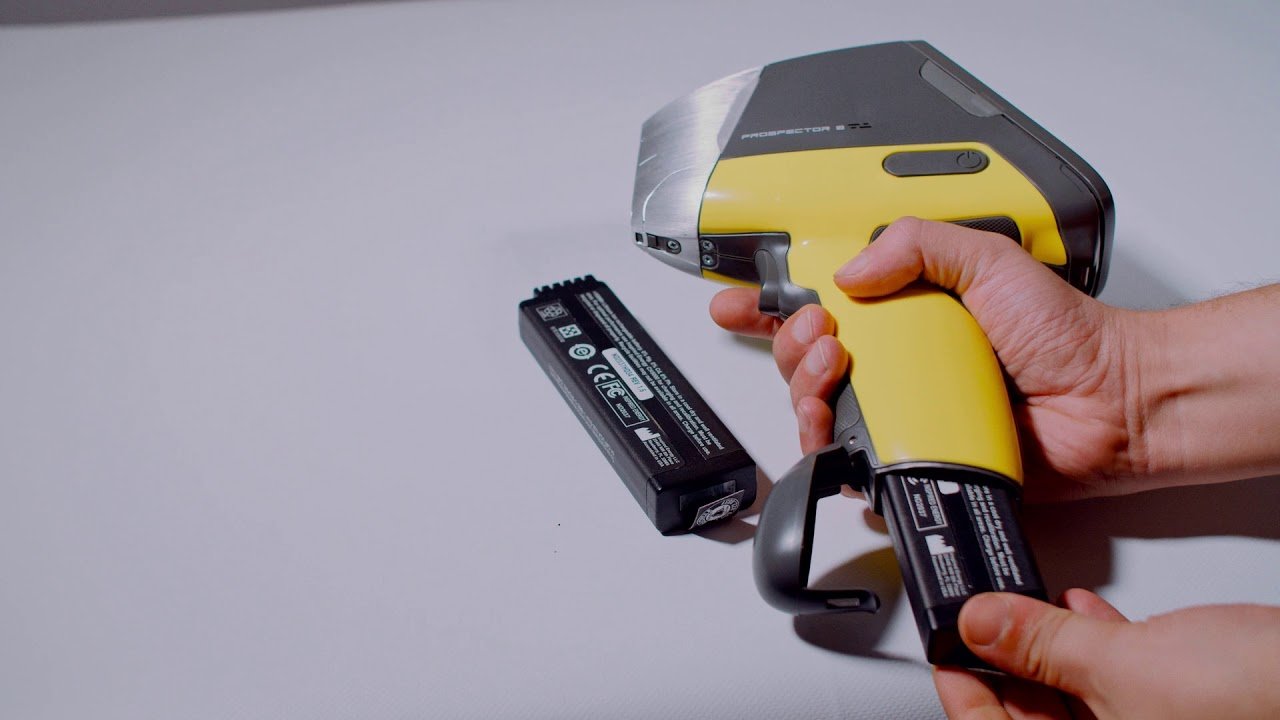
- Use calibrated and approved equipment
- Follow standardized procedures
- Provide detailed and compliant reports
Hiring unqualified individuals can result in invalid reports, which do not protect against violations.
Common Mistakes That Lead to Violations
Even well-intentioned property owners can make mistakes that lead to enforcement actions.
Waiting Too Long
Delaying testing increases the risk of missing deadlines and facing penalties.
Incomplete Inspections
Failing to test all required areas, including common spaces, leaves gaps in compliance.
Poor Recordkeeping
Losing or misplacing reports undermines the entire compliance process.
Ignoring Maintenance Issues
Peeling or damaged paint should be addressed immediately, especially in areas where lead has been identified.
Building a Compliance Strategy Around XRF Testing
A proactive approach to compliance can prevent most violations.
Start with Comprehensive Testing
Conduct XRF testing across all applicable areas of the property. This creates a complete picture of lead presence.
Maintain Organized Records
Store reports in a secure and accessible format. Digital copies with backups are recommended.
Monitor High-Risk Areas
Regularly inspect areas where lead has been identified, particularly in high-traffic or high-use spaces.
Address Issues Promptly
Take action as soon as problems are detected. Delays increase the risk of violations.
Stay Informed About Regulations
NYC laws continue to evolve. Keeping up with changes helps ensure ongoing compliance.
Why XRF Testing Is a Long-Term Investment
Some property owners view XRF testing as an added expense. In reality, it is an investment in risk management.
The cost of testing is small compared to the potential costs of violations, repairs, and legal disputes. More importantly, it provides clarity and control over compliance obligations.
Over time, this investment pays off by reducing uncertainty and preventing unexpected issues.
Schedule XRF lead testing in NYC with Manhattan Lead and avoid HPD violations. Our professionals are just a call away. Call us now and book an appointment.