
Why Lead Violations Still Matter in NYC
Many people think lead paint disappeared decades ago. The truth looks very different. New York City still has thousands of older residential buildings that contain lead-based paint under newer layers of paint.
The federal government banned residential lead paint in 1978. Any building built before that year may still contain lead hazards. NYC has one of the oldest housing stocks in the country, which means many apartments still carry hidden risks.
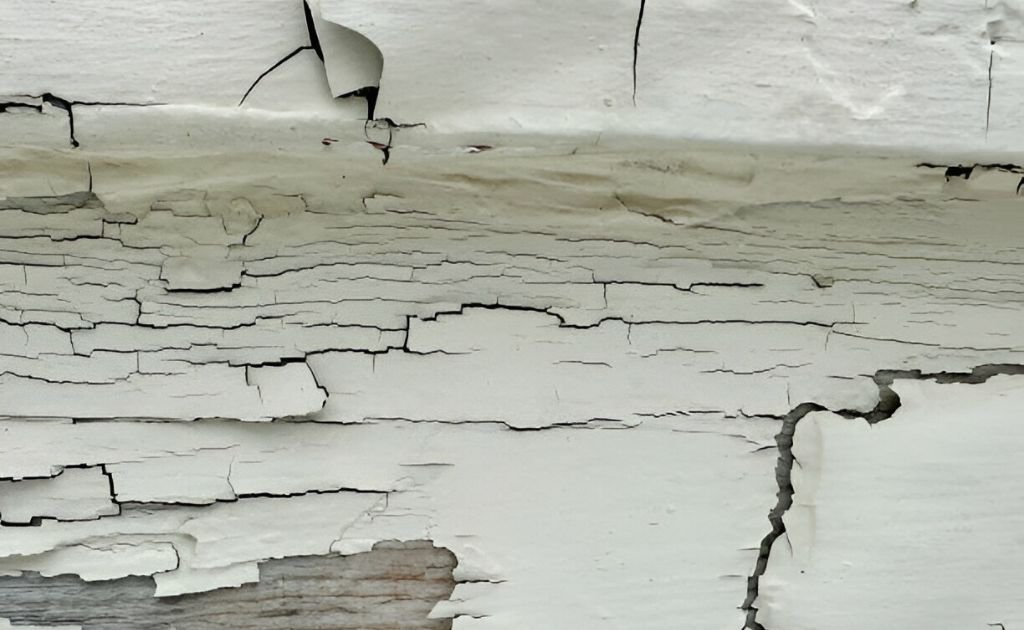
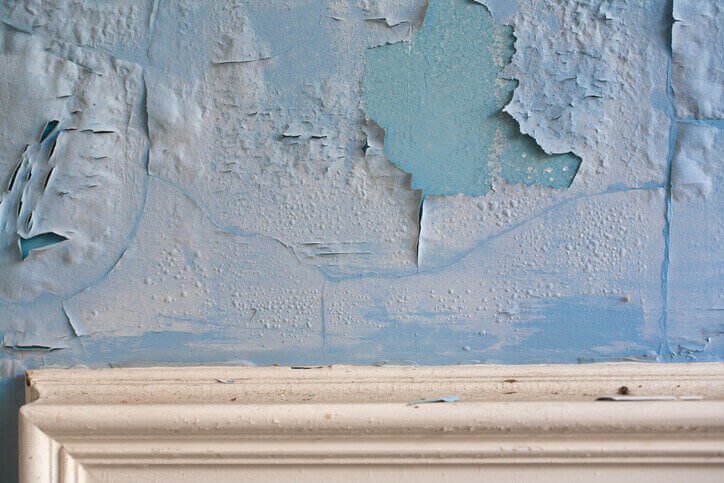
Lead paint becomes dangerous when it chips, cracks, or turns into dust. Children can inhale or swallow the dust without anyone noticing. Even small amounts of lead exposure can harm brain development, learning ability, and behavior.
Adults also face health risks. Lead exposure can affect blood pressure, kidney function, and reproductive health. Because of these dangers, NYC enforces strict lead safety rules for landlords. When landlords fail to remove hazards or ignore complaints, the city issues lead violations.
Also read: Health Risks of Lead Exposure and How Violation Removal Helps
Let’s Discuss Lead Violations in NYC for Better Understanding
A lead violation happens when city inspectors find unsafe lead conditions inside a property. The violation usually comes from peeling paint, damaged walls, unsafe renovations, or lead dust hazards.
In NYC, the Department of Housing Preservation and Development, often called HPD, handles many of these cases. Landlords must fix lead hazards quickly, especially when children under six live in the apartment.
The city also requires landlords to inspect apartments regularly in many older buildings. Property owners cannot ignore peeling paint or damaged surfaces.
If a landlord delays repairs or performs unsafe work, the city can issue violations, fines, and legal penalties.
Lead violations often appear in:
- Apartments built before 1978
- Older public housing developments
- Poorly maintained rental buildings
- Buildings with frequent tenant complaints
- Properties undergoing renovation work
The number of violations changes every year, but some boroughs consistently report higher numbers than others.
Which NYC Borough Has the Most Lead Violations?
The Bronx usually reports the highest number of lead violations in New York City.
Several housing reports and city enforcement records continue to place the Bronx at the top for lead-related housing issues. The borough contains a large number of older apartment buildings, many of which need major repairs and maintenance.
The Bronx also has one of the highest concentrations of low-income rental housing in NYC. Some landlords delay repairs due to financial issues, neglect, or poor property management. These conditions increase the risk of peeling paint and unsafe living environments.
Brooklyn often follows closely behind the Bronx. Parts of Brooklyn contain older multifamily buildings where lead paint still exists beneath layers of newer paint. High population density and aging housing stock contribute to the problem.
Manhattan, Queens, and Staten Island also experience lead violations, but they usually report lower numbers compared to the Bronx and Brooklyn.
Still, lead hazards can appear anywhere in NYC. Even luxury apartments in older buildings may contain hidden lead paint risks.
Why the Bronx Leads in Lead Violations
The Bronx faces several housing challenges that increase lead exposure risks.
Older Housing Stock
Many Bronx buildings date back to the early 1900s. These structures often contain original layers of lead paint on walls, windows, doors, and trim.
Over time, wear and tear damage painted surfaces. Cracks, moisture, and friction create toxic lead dust that spreads throughout apartments.
Without proper maintenance, the risk grows year after year.
High Number of Rental Properties
The Bronx contains a large number of rental apartments. Some buildings house multiple families in small spaces. Heavy use causes faster deterioration inside units and common areas.
When landlords postpone repairs, lead hazards become more severe.
Housing Violations and Neglect
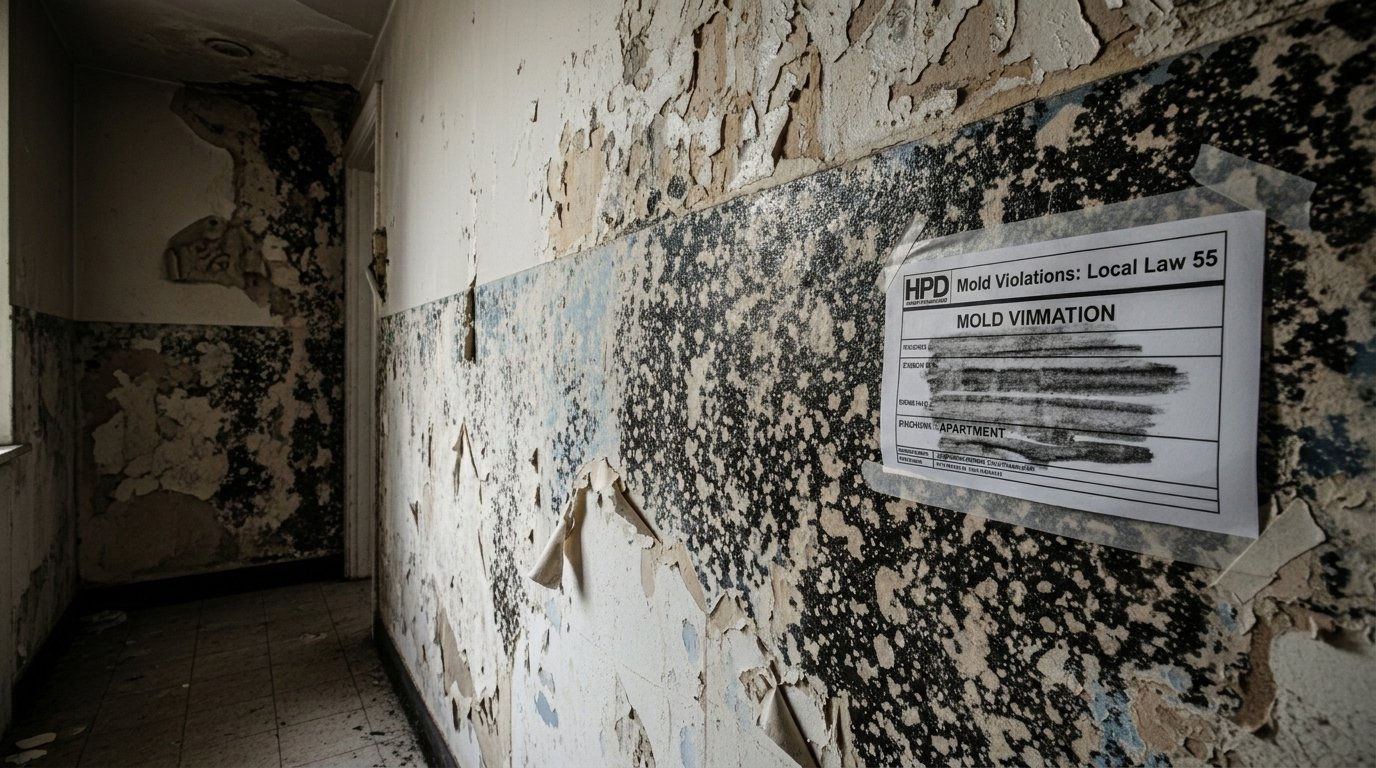
The borough also struggles with broader housing maintenance issues. Some buildings already face violations for mold, leaks, heating problems, and structural damage.
Lead hazards often appear alongside these conditions. Poor maintenance creates an environment where lead paint can deteriorate quickly.
Economic Challenges
Financial hardship affects both tenants and property owners in certain neighborhoods. Some landlords avoid expensive lead remediation projects because they cost time and money. Unfortunately, delaying repairs puts residents at greater risk.
Also read: How Often Should a Home Be Tested For Lead Paint?
Brooklyn’s Growing Lead Problem
Brooklyn continues to report a high number of lead violations every year. The borough’s older brownstones, apartment buildings, and multifamily homes contribute to the issue.
Neighborhoods with rapid construction and renovation activity also face added risks. Contractors may disturb old lead paint during remodeling projects.
Unsafe renovation practices can spread lead dust throughout an entire building.
Brooklyn’s population growth also creates pressure on housing. Some landlords rush repairs or renovations to keep up with demand. Quick work without proper lead safety procedures can create dangerous conditions. Families with young children should stay especially careful during renovations in older buildings.
Lead Violations in Manhattan
Many people assume Manhattan has fewer lead problems because of its wealthier neighborhoods. While some areas maintain buildings carefully, lead hazards still exist across the borough.
Manhattan contains many pre-war buildings that still hold original lead paint materials.
Luxury renovations can uncover old lead layers hidden beneath walls and trim. Older rental units may also suffer from aging windows, peeling paint, and damaged surfaces.
Lead violations appear more often in northern Manhattan neighborhoods where older affordable housing dominates the market.
Even so, Manhattan generally reports fewer violations than the Bronx or Brooklyn.
What About Queens and Staten Island Regarding Lead Violations in NYC?
Queens and Staten Island usually report lower lead violation numbers compared to other boroughs. Several factors explain this difference.
These boroughs contain more single-family homes and newer residential developments. Many properties received updates or construction after the 1978 lead paint ban.
Still, older neighborhoods in Queens can face serious lead hazards. Some homes and apartment buildings still contain aging lead paint.
Staten Island sees fewer overall violations because it has lower population density and fewer large apartment complexes.
That does not mean families should ignore lead risks in these boroughs. Any older property can contain hidden hazards.
How NYC Tracks Lead Violations
New York City uses inspections, tenant complaints, and landlord reporting to track lead hazards.
Tenants often report peeling paint, unsafe repairs, or dust concerns through 311 complaints. HPD inspectors then investigate the property.
If inspectors confirm hazardous conditions, they issue violations and order repairs.
The city also requires landlords to:
- Inspect apartments for lead hazards annually
- Use safe work practices during repairs
- Fix peeling paint quickly
- Provide lead disclosures to tenants
- Address hazards when children live in the unit
Failure to follow these rules can lead to fines and legal action.
NYC also tracks repeat offenders. Some landlords receive multiple lead violations across several buildings.
The Impact of Lead Exposure on Children
Children face the greatest danger from lead exposure.
Young children often crawl on floors, touch dusty surfaces, and place objects in their mouths. These habits increase the chance of swallowing lead particles.
Lead poisoning can affect:
- Brain development
- Memory and learning
- Speech and language skills
- Attention span
- Behavior and mood
- Physical growth
The scary part is that many children show no obvious symptoms at first.
Some families only discover exposure after a blood test.
Because of this, prevention matters far more than waiting for symptoms to appear.
Signs Your Apartment May Have Lead Hazards
Many tenants never realize their apartment contains lead paint. The danger often hides in plain sight.
You should watch for warning signs such as peeling paint, cracked walls, or damaged window frames in older buildings.
Lead hazards commonly appear around:
- Windows and sills
- Doors and door frames
- Baseboards
- Ceilings
- Stairs and railings
- Radiators
- Moisture-damaged walls
Dust near windows often creates major risks because opening and closing windows creates friction that releases lead particles.
Recent renovations in older apartments can also increase exposure risks if workers fail to use proper containment methods.
What Tenants Should Do About Lead Concerns
Tenants should never ignore possible lead hazards.
If you notice peeling paint or unsafe conditions in an older building, report the issue to your landlord immediately. Keep written records and photos whenever possible.
If the landlord fails to respond, contact NYC 311 for an inspection request. Parents should also ask pediatricians about lead testing for children who live in older buildings.
Do not attempt to scrape or sand lead paint yourself. DIY repairs can spread dangerous dust throughout the apartment. Professional testing and remediation provide the safest solution.
What Landlords Need to Know
NYC landlords carry major responsibility when it comes to lead safety.
Property owners must maintain safe living conditions and comply with local lead laws. Ignoring hazards can lead to lawsuits, penalties, and health claims from tenants.
Landlords should take proactive steps instead of waiting for violations.
That includes:
- Scheduling regular inspections
- Fixing peeling paint quickly
- Hiring certified lead professionals
- Using safe renovation practices
- Keeping maintenance records
- Educating tenants about lead safety
Preventive maintenance often costs far less than emergency remediation after a violation.
Why Professional Lead Testing Matters
Many lead hazards remain invisible to the eye. A wall may look safe while hidden lead dust spreads through the apartment.
Professional lead testing helps identify dangerous conditions before they become serious health problems. Certified inspectors use specialized equipment to detect lead paint, dust, and contamination levels.
Testing becomes especially important for:
- Older rental properties
- Homes with young children
- Buildings undergoing renovation
- Property sales and purchases
- Landlords facing repeated violations
Early detection protects both residents and property owners.
Stay Protected from Lead Hazard With Manhattan Lead
If you own property or rent an apartment in NYC, lead safety should never become an afterthought. The Bronx may report the highest number of lead violations, but lead hazards exist in every borough. Fast action protects your family, tenants, and property value.
Manhattan Lead provides professional lead inspection, testing, and remediation services across New York City. Our experienced team understands NYC housing laws, local regulations, and the unique challenges that older buildings present.
Whether you need lead paint testing, violation removal, safe remediation, or compliance support, we deliver reliable solutions designed to keep families safe.