What Lead Exposure Does to the Human Body
Lead is a neurotoxin. It crosses the blood-brain barrier, accumulates in bone tissue, and interferes with organ function. The effects vary based on the level and duration of exposure, but no level of lead in the blood is considered safe.
According to the Centers for Disease Control and Prevention, lead exposure affects almost every organ system in the body. The nervous system takes the most damage, particularly in children whose brains and central nervous systems are still forming.
Effects in Children
Children under six years old absorb lead at a rate of up to five times higher than adults. Even low-level exposure at this stage can cause:
- Reduced IQ and cognitive development delays
- Learning disabilities and attention problems
- Speech and language delays
- Behavioral changes, including increased aggression
- Hearing loss and slowed motor development
These are not short-term symptoms that resolve after the exposure stops. Neurological damage from lead exposure in early childhood is largely irreversible. The child carries those effects through school, into adulthood, and through every developmental stage.
Effects in Adults
Adults in buildings with lead paint hazards face a different but still serious set of health risks. Long-term exposure in adults causes:
- High blood pressure and increased cardiovascular risk
- Kidney damage and reduced kidney function
- Reproductive problems, including reduced fertility
- Cognitive decline and memory issues with prolonged exposure
- Complications during pregnancy, including low birth weight and premature birth
For property owners, this is not just a tenant health issue. Workers who carry out renovations or maintenance in buildings with lead paint hazards are also at risk, and occupational lead exposure carries its own set of liability implications.
Where Lead Comes From in NYC Buildings
New York City has one of the oldest residential housing stocks in the country. A significant portion of the city’s rental buildings were built before 1960, when lead-based paint was standard in construction.
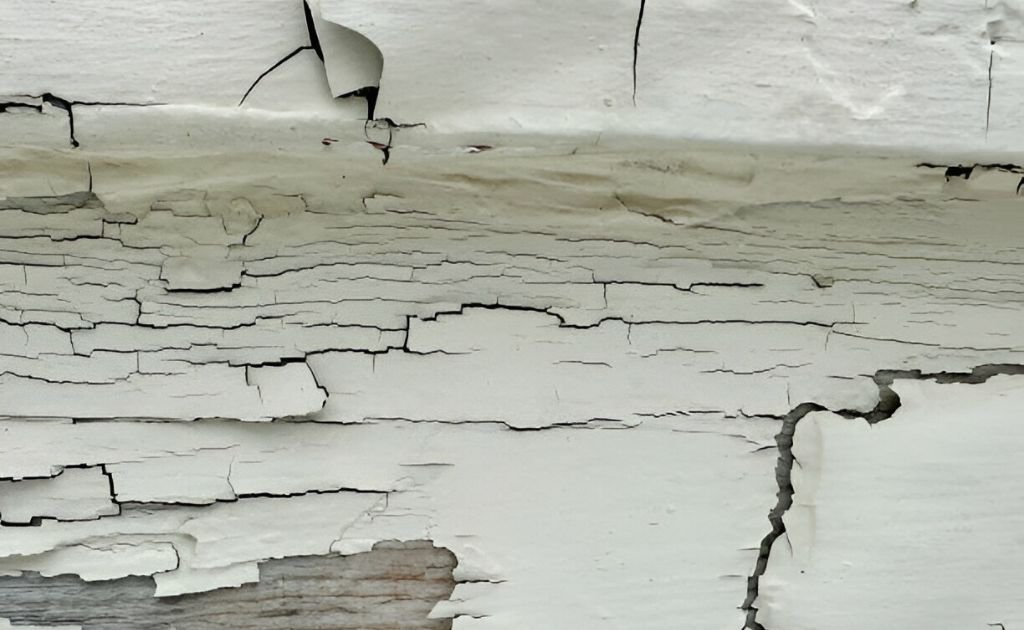
Lead paint becomes a hazard when it deteriorates. Intact lead paint on a wall that is not disturbed presents a much lower risk than paint that is chipping, flaking, or being disturbed by renovation work. The most common sources of exposure in NYC buildings are:
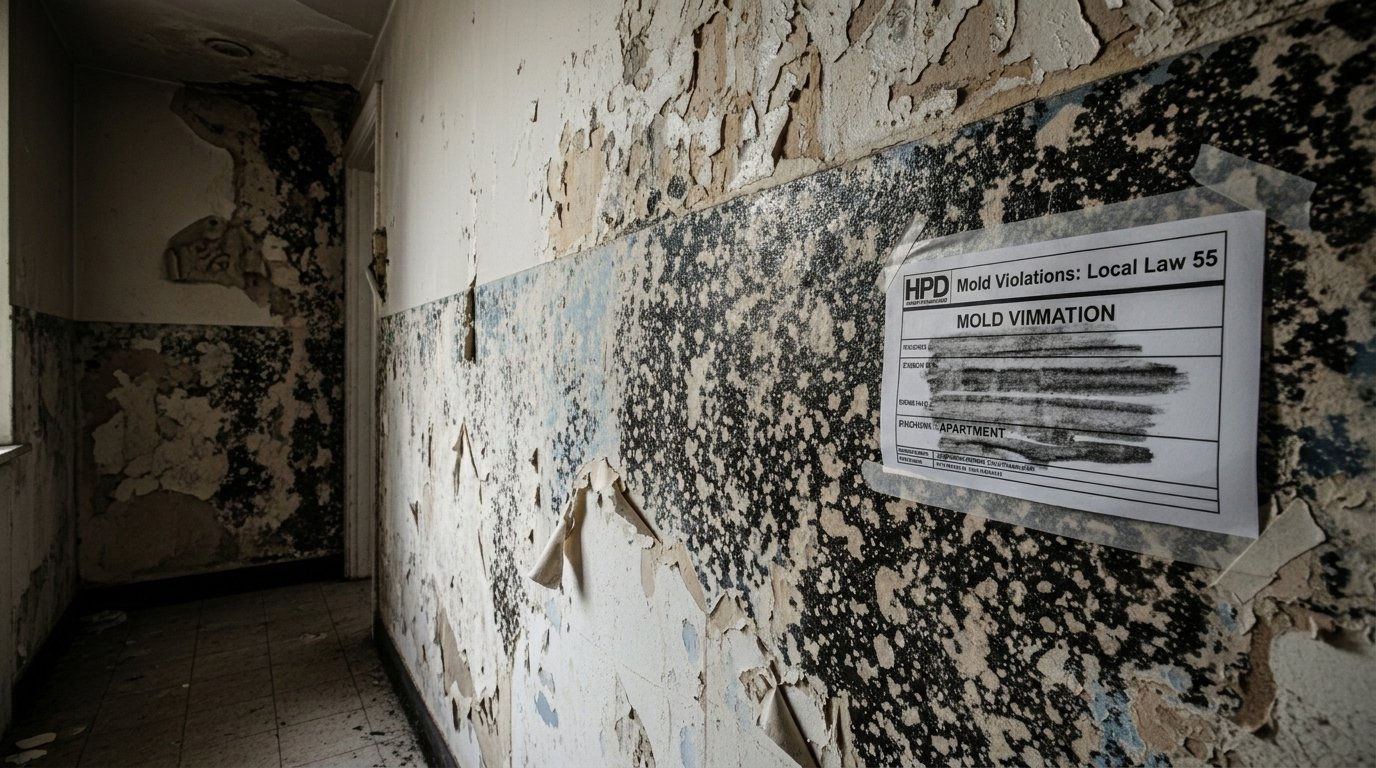
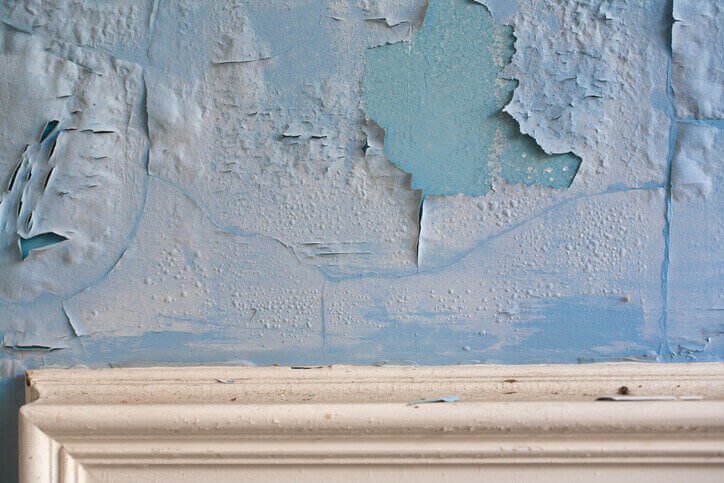
- Chipping and peeling paint on walls, windows, doors, and trim
- Lead paint dust released during friction on windows and doors that open and close repeatedly
- Soil contamination around older buildings where exterior lead paint has weathered off over decades
- Lead in drinking water through old plumbing with lead solder or lead service lines in pre-1986 buildings
For a multi-unit building manager or landlord in New York City, any one of these pathways can generate a violation. And once an HPD or DOH violation is issued, the clock starts on remediation.
NYC Lead Violations: HPD and DOH
New York City has some of the most specific lead paint regulations in the country. Two agencies issue lead violations: the Department of Housing Preservation and Development and the Department of Health and Mental Hygiene.
HPD Lead Violations
HPD issues lead paint violations when inspectors find hazardous lead conditions in residential buildings built before 1960, where a child under six years old lives. These violations are classified as Class B or Class C, depending on severity, with Class C violations requiring correction within 24 hours. Failure to correct an HPD violation results in fines and can lead to legal action against the building owner.
DOH Lead Violations
DOH violations are issued when a child has been identified with elevated blood lead levels and an investigation traces the source to a specific property. These violations carry stricter timelines and require certified professionals to carry out the remediation.
Local Law 31 Requirements
Under NYC Local Law 31, owners of buildings built before 1960 are required to conduct XRF or paint chip sampling inspections for all units where a child under six resides. The law establishes specific inspection cycles and documentation requirements. Non-compliance with Local Law 31 is itself a violation pathway that building owners need to address before HPD finds it for them.
How Lead Violation Removal in NYC Works
Lead violation removal in NYC is not just about scraping paint off a wall. It is a documented process that has to satisfy HPD or DOH requirements and produce paperwork that gets the violation closed in the city’s records.
The process involves:
- A certified inspection to identify all lead hazards in the affected units
- Remediation or lead abatement work carried out by EPA-certified contractors following safe work practices
- Post-remediation dust wipe testing to confirm that lead dust levels have returned to acceptable levels
- Submission of compliance documentation to HPD or DOH
A violation is not closed just because the work is done. The documentation has to be filed correctly and accepted by the relevant agency. Incomplete paperwork is one of the most common reasons violations remain open even after remediation work has been completed.
For building owners managing multiple units or large residential portfolios, the administrative side of lead violation removal in NYC is as important as the physical work.
What Happens When a Lead Violation Goes Unaddressed
Property owners sometimes delay addressing lead violations, either because of the cost or because they do not fully understand the timeline requirements. That delay creates compounding problems.
Outstanding HPD violations can result in:
- Daily fines that accumulate for every day the violation remains open past the correction deadline
- Emergency repair orders, where HPD sends its own contractors to do the work and charges the cost back to the owner
- Liens placed on the property that affect refinancing, sale, and ownership transfer
- Legal action and court proceedings through the NYC Housing Court
For buildings with DOH violations, the consequences also include heightened scrutiny on all units in the building and potential involvement from city legal teams if a child has suffered documented lead poisoning on the premises.
Beyond the legal exposure, there is the human side. Every month a lead hazard goes unaddressed is another month children living in that building face exposure. For a landlord managing residential units in New York City, that is not a comfortable position to be in from any perspective.
The Connection Between Violation Removal and Health Protection
Lead violation removal in NYC is the mechanism through which building conditions are brought back to a standard that protects occupants. When the process is completed correctly, hazardous lead paint is either encapsulated or removed, lead dust is cleared from surfaces, and the environment no longer poses the same exposure risk.
A lead paint inspection before and after remediation work gives a documented record of what was found and what changed. That record matters for liability purposes, for compliance with Local Law 31, and for the peace of mind that comes from knowing a building has been assessed by a certified professional rather than guessed at.
For commercial property managers overseeing older mixed-use buildings, schools, or housing portfolios in New York City, regular inspection cycles and prompt violation removal are the two practices that keep both the occupants and the property out of trouble.
What Building Owners Get Wrong About Lead Violations
The most common mistakes property owners make when dealing with lead violations:
- Attempting remediation without certified contractors, which voids compliance documentation and does not close the violation
- Filing paperwork without the required post-clearance dust wipe results
- Waiting until an HPD inspection triggers the violation instead of proactively testing under Local Law 31
- Assuming a violation in one unit does not affect the rest of the building, when in practice it often triggers inspection of adjacent units
Each of these mistakes extends the timeline, increases costs, and leaves the building in a state of non-compliance longer than necessary.