What NYC Local Law 31 Asks of Building Owners
Before we get to the penalties, it helps to remember what the law wants. If you want the full breakdown, our guide on how NYC Local Law 31 works covers it step by step, but here is the short version.
NYC Local Law 31 of 2020 requires XRF lead-based paint testing in residential buildings built before 1960, along with buildings put up between 1960 and 1978 where the owner knows lead paint is present. Local Law 29 pulled in one and two-family rentals that the owner does not live in. Every dwelling unit had to be tested by August 9, 2025, and Local Law 111 of 2023 added all common areas to that same date. When a child under 6 lives in or moves into a unit, the inspection window drops to one year. The city’s lead-based paint rules also say the testing must be done by a third-party, EPA-certified inspector or risk assessor using an XRF analyzer, not a hardware-store swab, and the lead threshold now sits at 0.5 mg/cm². Owners have to keep those records for 10 years.
The First Thing That Hits Your Building: a Class C Violation
When an owner fails to test, HPD treats it as a Class C immediately hazardous violation. That is the most serious category, the same tier used for conditions that put tenants at direct risk. HPD has advised that failure to meet the testing and reporting rules under NYC Local Law 31 can make the owner liable for a civil penalty of up to $1,500. The part that catches owners off guard is how that number gets counted.
Why the Fines Multiply by Every Untested Apartment
That $1,500 is not a single charge for the whole building. HPD issues the violation for each apartment that was not tested. The math turns ugly fast once you own more than a handful of units.
- A 12-unit building with no testing on record can face $18,000 or more in penalties.
- An owner with several pre-1960 properties sees that figure stack across every address.
- Lead hazards left uncorrected after a violation carry their own added daily penalties on top of the testing fines.
For a small landlord running on thin margins, a bill like this can wipe out a full year of profit from a building. That is the pain of ignoring NYC Local Law 31, one violation for every door you skipped.
Doing the Work Is Not Enough Without the Paperwork
Here is a trap that surprises careful owners. If HPD asks for your records and you cannot produce them, the inspection you paid for does not protect you. Missing documentation reads as non-compliance, even when the testing was done.
The paperwork rules got stricter too. Since August 2025, under Local Law 122 of 2023, an owner who receives a lead-based paint hazard or turnover violation must send annual notice records, lead investigation records, and XRF testing records to HPD within 45 days. That clock is short, and it does not restart. Knowing the lead paint inspection deadlines and keeping a clean file is the difference between a quick reply to HPD and a fresh violation.
How One Missed Turnover Can Pull Your Whole Building Into an Audit
A single slip on one apartment can widen into a review of everything you own. Local Law 127 of 2023 made failure to meet turnover requirements one of the factors HPD uses to pick which buildings get audited. In plain words, when you skip the lead work on a unit between tenants, that one miss can flag the entire building for a deeper look. An audit then checks every apartment and every record, so a problem you thought was small becomes the reason HPD examines all of it.
Stop-Work Orders That Freeze Your Renovation
Renovation is where many owners get caught without warning. According to New York City’s Department of Buildings, more than 12,000 renovation permits were flagged for possible NYC Local Law 31 non-compliance in 2024 alone. When you disturb painted surfaces in an older building without the required lead testing, an inspector can show up and issue a stop-work order on the spot.
One owner learned this the hard way. He hired a contractor to gut-renovate two vacant apartments, and three days into demolition, an HPD inspector halted the job because no lead testing had been done. The project sat idle for two weeks while he scrambled to hire a certified inspector, fix the hazards, and get clearance. The delay cost him over $8,000 in lost rent and contractor rescheduling. A frozen job site keeps costing money every day it stays quiet.
The Bills That Never Show Up on the Violation Notice
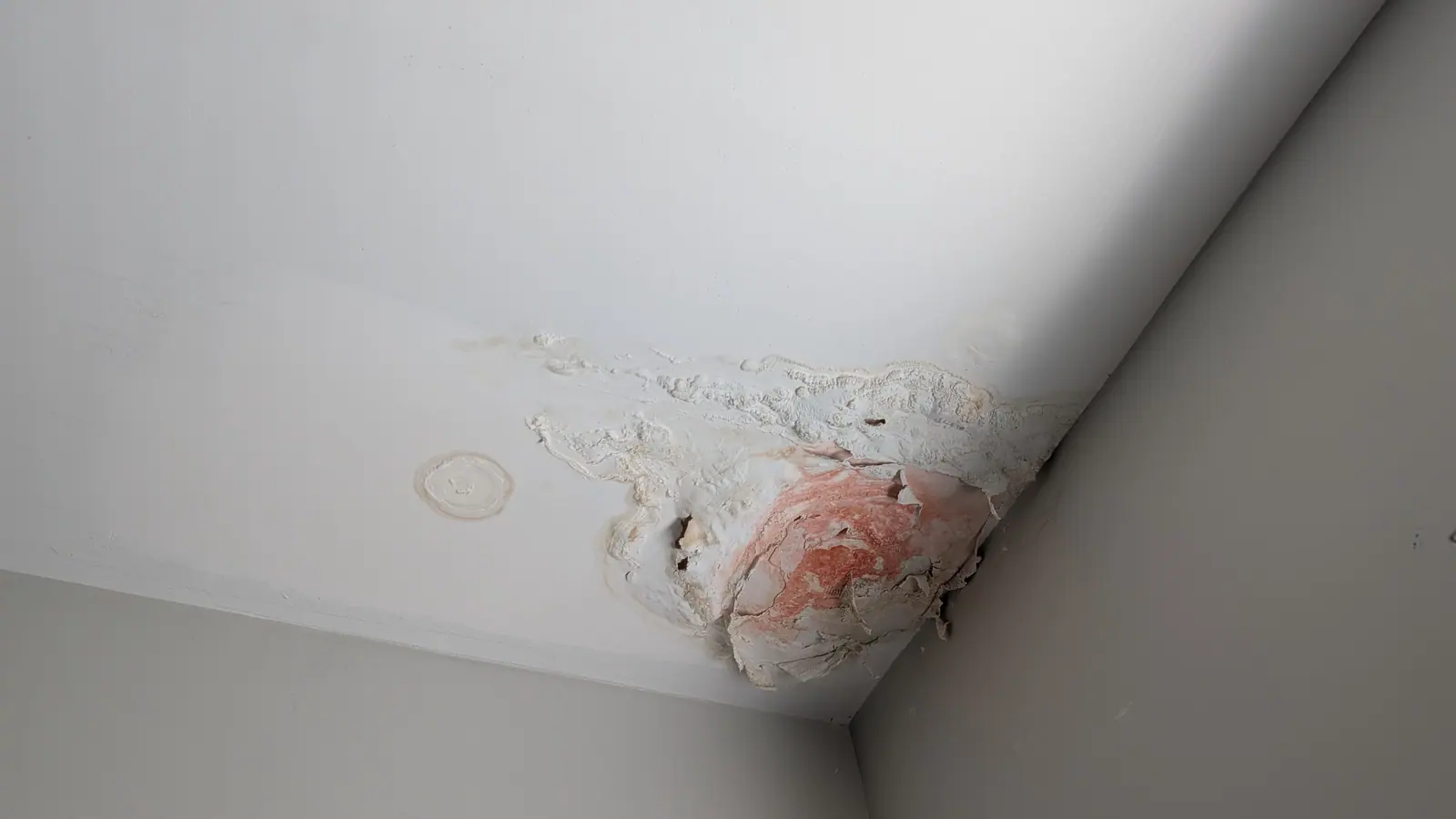
The fines are only the part you can see. Behind them sit costs that hurt just as much. A tenant complaint about chipped paint can trigger the whole chain, and non-compliance opens the door to court action and lawsuits from families who were exposed. Owners have also found that unresolved violations block their ability to renew permits, refinance, or sell the property until the record is cleared.
Then there is the reason the law exists at all. New York City’s health department reports that lead poisoning still affects thousands of young children in the city each year, and lead harms brain development in kids under 6 in ways that do not heal. A violation is money, but a child who was poisoned in an apartment you were supposed to test is a weight no owner wants to carry. That human side is what makes NYC Local Law 31 more than a box to check.
What Non-Compliance Can Trigger, in Plain Terms
For a quick view, here is what skipping NYC Local Law 31 can set off:
- A Class C immediately hazardous violation on your building.
- Civil penalties up to $1,500 for each apartment left untested.
- Extra daily penalties when lead hazards go uncorrected.
- A building-wide audit sparked by a single turnover miss.
- A stop-work order that freezes an active renovation.
- Court action and lawsuits from affected tenants.
- Trouble renewing permits, refinancing, or selling the property.
How to Get Back on the Right Side of NYC Local Law 31
Falling behind is fixable, and the path is straightforward once you know the steps. The goal is a complete, documented file that answers HPD before they even ask.
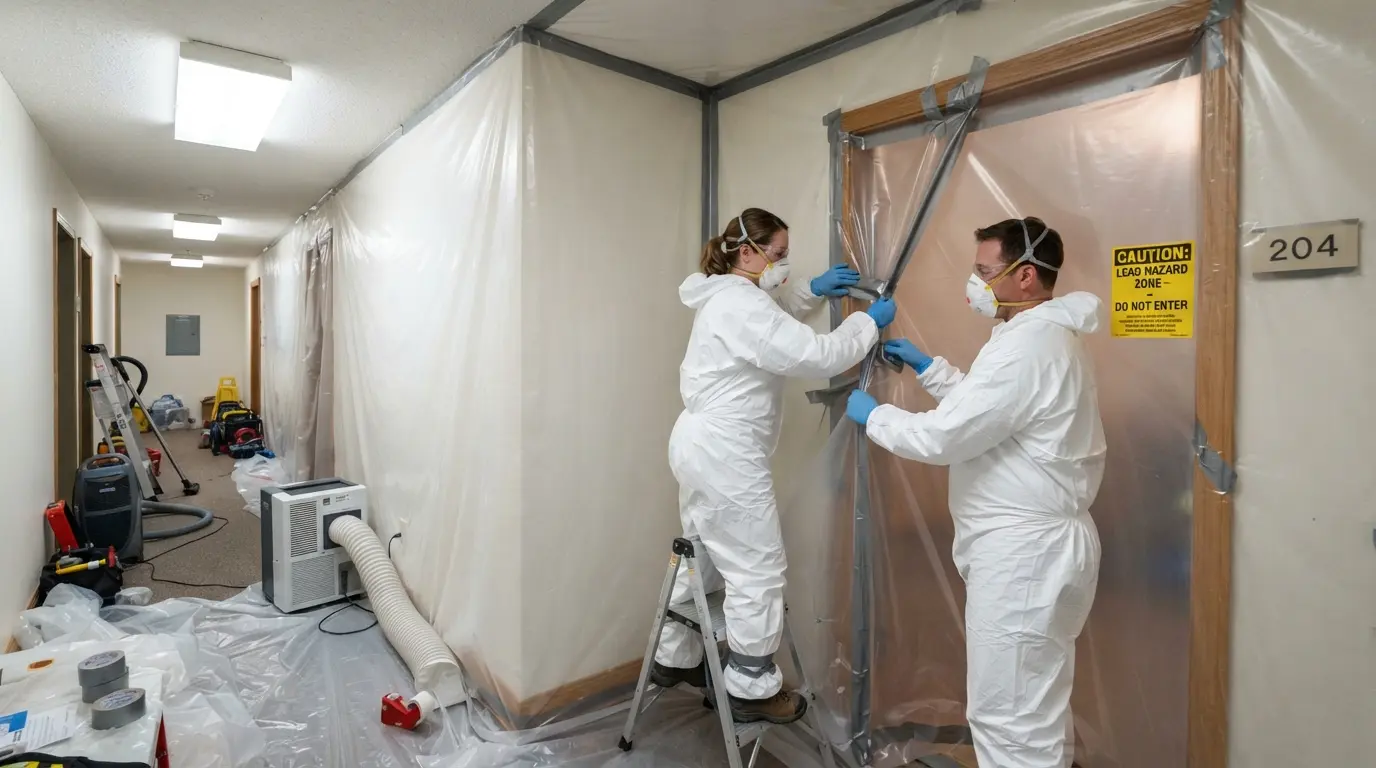
- Hire a third-party, EPA-certified inspector to run XRF testing on every dwelling unit and common area.
- Keep all testing and annual notice records for 10 years, ready to hand to HPD on request.
- Re-check any unit where a child under 6 lives or recently moved in, within that one-year window.
- File for an HPD exemption on surfaces that test lead-free, so those areas stay off your future list.
Starting early also saves money, since certified XRF inspectors book up fast and rushed jobs cost more.
Get Ahead of NYC Local Law 31 Before the Violations Find You
Every month you put this off, the risk grows quietly in the background, and it takes only one tenant complaint or one turnover to turn a missed inspection into thousands in fines and a frozen building. At Manhattan Lead Inspections, we handle XRF lead-based paint inspections across New York City for owners and property managers who want to meet NYC Local Law 31 the right way, with certified testing and clean records that hold up when HPD comes calling. Want to know exactly where your building stands before a violation decides for you? Reach out to our team today and get your inspection on the calendar while there is still time to fix things on your terms.