Lead paint sits quietly in millions of homes, especially those built before 1978. You cannot see it, smell it, or taste it. Yet it can affect health in ways that are serious and long-lasting. Many homeowners assume that once a house gets tested, the job is done forever. That assumption causes problems. Lead conditions can change over time, and the need for testing does not stay static.
Let’s discuss how lead paint inspection in NYC should be done, why timing matters, and what situations call for more frequent checks.
Why Lead Paint Testing is Really Important?
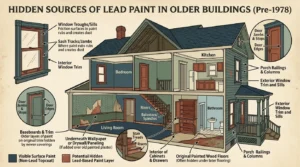
Many people think lead paint belongs to the past. That idea misses an important reality. Homes built before 1978 often still contain layers of lead-based paint beneath newer coats. Even if the surface looks clean and modern, older layers may still sit underneath.
Lead becomes dangerous when paint starts to chip, peel, or turn into dust. Renovation work can also release lead particles into the air. These particles settle on floors, windowsills, and furniture. Children face the highest risk because they touch surfaces and then put their hands in their mouths.
Testing helps you answer one simple question: Is there a risk right now? And if there is, how serious is it?
The One-Time Lead Testing Myth
A lot of homeowners believe one test covers them for life. That idea sounds convenient, but it does not reflect how homes behave over time.
Paint ages. Walls crack. Windows stick. Doors scrape. Small changes like these create friction, and friction produces dust. If that dust contains lead, your risk level changes even if nothing looked wrong before.
Think of lead testing like checking your roof. You do not inspect it once and forget it forever. You check it again after storms, repairs, or visible wear. Lead follows a similar logic.
Also read: The Health Benefits of Timely Lead Dust Remediation in NYC
The General Rule – When Should You Test?
Let’s keep this practical. Most homes do not need constant testing every year. But they do need testing at specific moments.
Here is a simple way to think about timing:
- Test once when you move into an older home
- Test again before any renovation or repair work
- Re-test if the paint starts peeling or cracking
- Check periodically if children live in the home
That does not mean you must schedule testing every few months. It means you stay aware of changes and act when conditions shift.
Test Before You Buy a Home
If you plan to buy a house built before 1978, testing should happen before closing the deal or immediately after purchase.
Sellers in many places must disclose known lead hazards. But disclosure does not replace testing. Some sellers may not know the full history of the property. Others may rely on outdated inspections.
Testing during the buying phase, including lead paint testing, gives you leverage. If you find lead hazards, you can negotiate repairs or adjust the price. Waiting until after you move in limits your options.
Test After Moving In
If you skipped testing during the buying process, do not ignore it. Schedule a test soon after you move in, especially if the home shows signs of age.
This first test establishes a baseline. It tells you where lead exists and whether it poses a current risk. Once you know the condition, you can decide what steps to take next.
You might find that the paint remains intact and stable. In that case, you may not need immediate action. But you still need to monitor the situation over time.
Renovations Change Everything
Renovation work creates one of the highest risks for lead exposure. Sanding, cutting, and demolition disturb old paint layers. These activities release fine dust that spreads quickly.
You should always test before starting any renovation in an older home. Even small projects like replacing windows or sanding trim can create problems.
After the work finishes, you should consider testing again. This follow-up test confirms that the cleanup removed hazardous dust. It also gives peace of mind, especially if children or pregnant women live in the home.
Also read: How XRF Lead Testing Helps Avoid HPD Violations in NYC?
When Paint Starts to Deteriorate
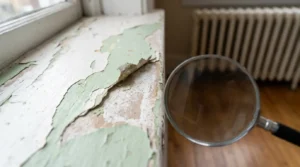
Paint does not stay perfect forever. It cracks, chips, and peels as time passes. When you notice these signs, do not ignore them.
Deteriorating paint increases the chance of lead exposure. Even small chips can turn into dust with regular use of the space.
If you see peeling paint in an older home, treat it as a signal to test again. Do not assume the situation matches past results. Conditions change, and your testing schedule should reflect that.
Homes With Young Children Need More Attention
Children face the highest risk from lead exposure. Their bodies absorb lead more easily, and even low levels can affect development.
If children live in your home, you should stay more proactive about testing. That does not mean constant testing every month, but it does mean you should respond quickly to any changes.
For example:
- If a child spends time near windows or doors with worn paint, consider testing
- If you notice dust collecting in play areas, take it seriously
- If renovation work happens nearby, schedule a check afterward
Think of testing as part of maintaining a safe environment, not just a one-time task.
Rental Properties and Lead Testing
Landlords carry a responsibility to provide safe living conditions. Lead hazards fall under that responsibility in many regions.
If you own a rental property built before 1978, you should test before tenants move in. You should also re-test when conditions change, such as after repairs or when paint starts to wear.
Tenants may not always notice early signs of deterioration. Regular inspections help you catch problems before they escalate.
How Often Is Periodic Testing?
This question comes up often, and the answer depends on the condition of the home.
If your initial test shows stable paint and no immediate hazards, you may not need frequent retesting. A check every few years can work, especially if the home stays in good condition.
If the home shows signs of wear or experiences frequent repairs, you should test more often. In these cases, every one to two years may make sense.
The key idea stays simple: let the condition of the home guide your schedule.
Test After Major Weather Events
Weather affects homes more than people realize. Heavy rain, humidity, and temperature changes can damage paint surfaces.
If your home experiences severe weather, take a closer look at painted areas. Check for cracks, peeling, or water damage.
If you notice changes, testing becomes a smart next step. Even if the damage looks minor, it may still release lead particles.
Lead Testing and Home Maintenance Go Hand in Hand
You cannot separate lead safety from general home maintenance. A well-maintained home reduces the risk of lead exposure.
When you keep surfaces clean, repair damage quickly, and control moisture, you limit the chances of paint deterioration.
Testing fits into this routine. It acts as a checkpoint that confirms your efforts are working.
Different Types of Lead Testing
Not all tests work the same way. Understanding the options helps you choose the right approach.
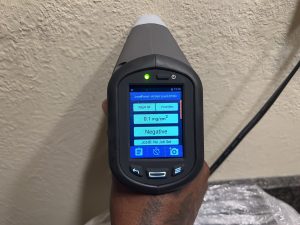
Professionals often use XRF lead testing devices. These tools detect lead in paint without damaging surfaces. They provide fast and reliable results.
Dust wipe tests measure lead particles on surfaces. These tests help after renovations or when you suspect contamination.
Paint chip testing involves sending samples to a lab. This method works well for confirming specific areas.
Each method serves a purpose. The right choice depends on your situation.
DIY Testing vs Professional Testing
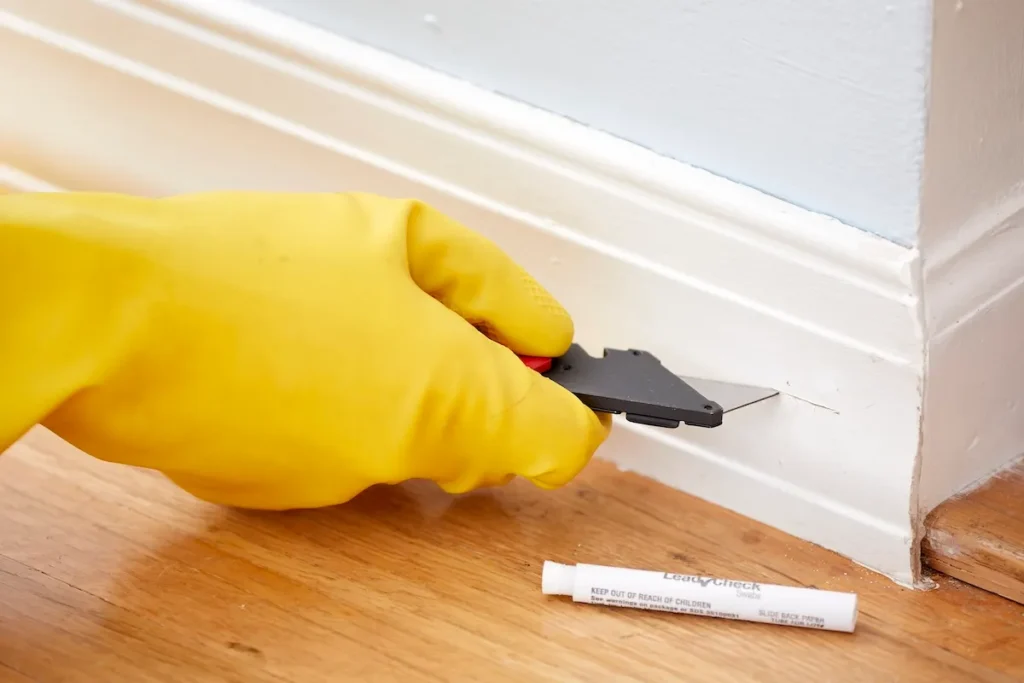
You can find DIY lead test kits in stores. These kits offer a quick way to check for lead, but they have limitations.
DIY kits may not detect low levels of lead. They also require careful handling to avoid errors.
Professional testing provides more accurate results. Certified inspectors use advanced tools and follow strict procedures.
If you want reliable answers, professional testing offers a better option. DIY kits can work for quick checks, but they should not replace a full inspection when risk is high.
What Happens After a Positive Test?
Finding a lead does not mean panic. It means you need a plan.
If the paint remains intact, you may choose to leave it undisturbed and monitor its condition. This approach works when surfaces stay stable and out of reach.
If the paint shows damage, you need to address it. Options include repair, encapsulation, or removal. Each method has its own process and cost.
Testing helps you decide which path makes sense. It gives you information, not fear.
Encapsulation and Its Impact on Testing
Encapsulation involves covering lead paint with a special coating. This method seals the lead and prevents exposure.
If you use encapsulation, you still need to monitor the surface over time. The coating can wear down or get damaged.
Testing after encapsulation ensures the barrier remains effective. It also helps you catch problems early.
The Role of Regular Visual Inspections
You do not need a lab test to notice obvious problems. Regular visual checks play a big role in lead safety.
Walk through your home and look at painted surfaces. Pay attention to windows, doors, and high-traffic areas.
If you see peeling, cracking, or dust buildup, treat it as a warning sign. Testing should follow soon after.
This habit keeps you aware of changes before they turn into bigger issues.
Lead Testing During Property Sales
If you plan to sell your home, testing can work in your favor. Buyers feel more confident when they see clear information about lead conditions.
A recent test report shows transparency. It also reduces uncertainty during negotiations.
You do not have to wait for buyers to request testing. Taking the step yourself can speed up the process and build trust.
Common Mistakes Homeowners Make
People often make the same mistakes when it comes to lead testing.
Some delay testing because the home “looks fine.” Others rely on old test results without considering changes.
A few homeowners attempt renovations without checking for lead first. This mistake creates unnecessary risk.
Avoiding these habits keeps your home safer and reduces long-term problems.
Create a Practical Testing Schedule
You do not need a complicated plan. A simple approach works best.
Start with an initial test to see if your home qualifies. Then pay attention to changes in condition.
Think of testing as something you do when the situation calls for it, not something you ignore until a problem appears.
A practical schedule might look like this:
- Initial test after purchase
- Follow-up before renovations
- Re-test when the paint deteriorates
- Periodic checks every few years
This approach balances awareness with practicality.
Get Trusted Lead Paint Inspection in NYC with Manhattan Lead
If you need reliable answers about lead hazards, contact Manhattan Lead for professional inspections in NYC. Our team understands the challenges of older buildings across the city and uses accurate testing methods to identify risks quickly.
Whether you are buying a property, planning renovations, or simply want peace of mind, they provide clear results and practical guidance. You won’t get vague reports or confusing terms, just straightforward information you can act on.
With a strong focus on safety and compliance, we help you protect your home, your family, and your investment without unnecessary stress or delays.