The Risk Behind Lead Inspections
Lead becomes dangerous when it enters the body. It affects the brain, nervous system, and development, especially in young children. In NYC, many residential buildings date back to before 1960, when lead-based paint was common. Over time, that paint deteriorates, turning into dust or chips that people can inhale or ingest.
Lead inspections aim to identify these hazards. However, the process itself can create risk if handled carelessly. Disturbing paint without control releases fine particles into the air. These particles spread quickly and settle on floors, furniture, and surfaces that people touch daily.
Because of this, safety measures do not act as optional guidelines. They define every step of the inspection process.
Certified Professionals are the Foundation of Safety
NYC does not allow untrained individuals to perform lead paint inspections. Only certified professionals handle this work. These inspectors receive training through programs approved by the Environmental Protection Agency. They learn both technical testing methods and safety practices.
Certification ensures that inspectors understand how to:
- Work without spreading contamination
- Recognize high-risk areas in a home
- Handle testing equipment correctly
- Follow legal requirements for reporting and documentation
This training creates a baseline level of safety. Without it, inspections could easily create more harm than good.
Pre-Inspection Planning and Risk Evaluation
Safety begins before the inspector even enters the property. A proper inspection starts with planning. Inspectors review important details such as the building’s age, its renovation history, and whether children live in the unit.
If a child under six lives in the apartment, inspectors treat the situation with greater caution. NYC law places stricter obligations on landlords and inspectors in these cases. The presence of children increases the urgency and sensitivity of the inspection process.
Inspectors also identify areas that are more likely to contain lead. These include windows, doors, trim, and other high-friction surfaces. Planning allows them to focus on these zones without disturbing unnecessary areas.
Also read: Common Causes of DOH Lead Violations in Residential Buildings in NYC
Use of Non-Destructive Testing Methods
One of the most important safety measures in NYC lead inspections involves the use of non-destructive testing tools. Inspectors rely heavily on X-ray fluorescence analyzers, often called XRF devices.
This tool allows inspectors to detect lead content beneath painted surfaces without scraping or damaging them. The device emits low-level radiation and reads the response from the material. It produces instant results while leaving the surface intact.
This method plays a major role in safety. It eliminates the need for sanding or cutting into paint, which would release dangerous dust. By keeping surfaces undisturbed, inspectors reduce the risk of spreading contamination throughout the home.
Visual Assessment Without Unnecessary Disturbance
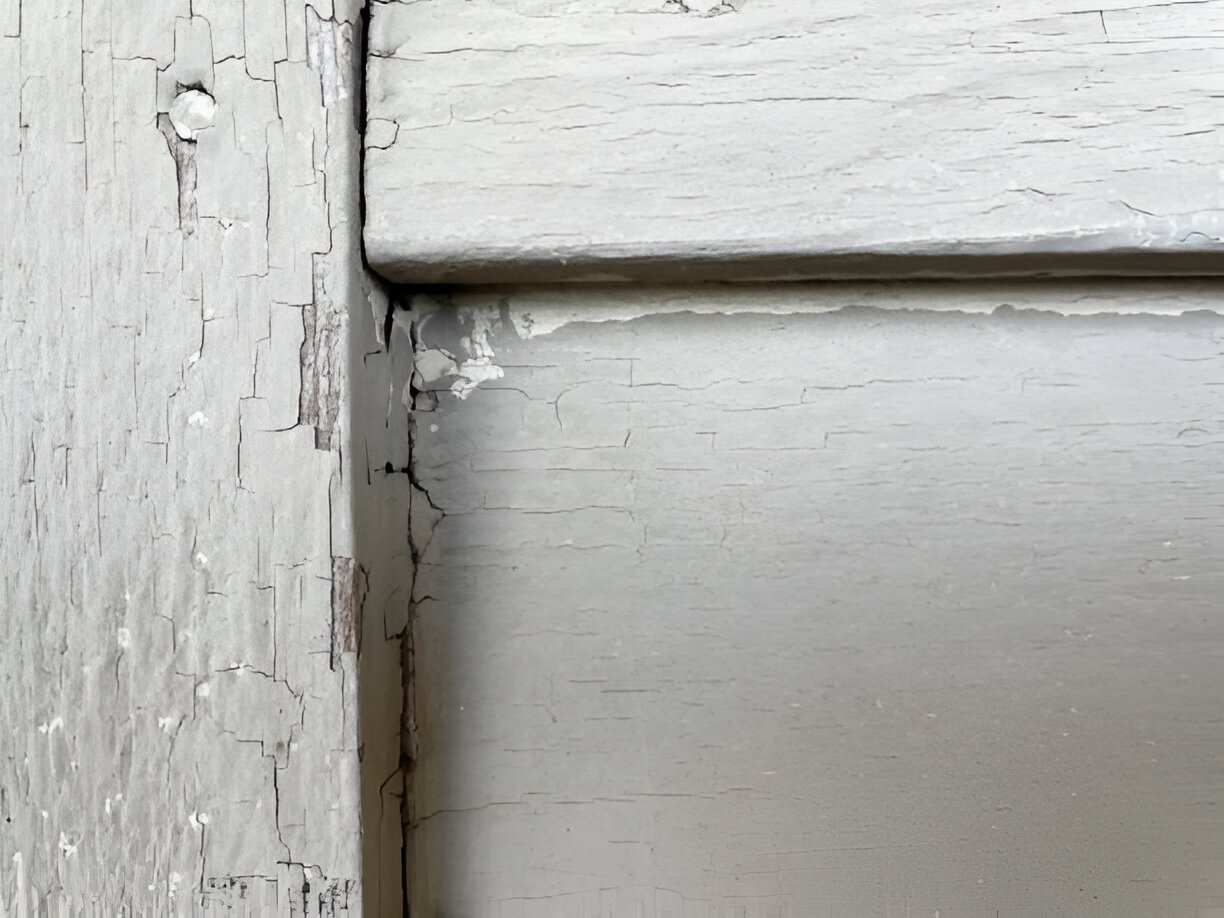
Inspectors combine technology with careful visual inspection. They examine surfaces for signs of deterioration, such as peeling, cracking, or chipping paint. These visible signs often indicate a higher risk of lead exposure.
However, inspectors do not disturb intact paint unnecessarily. If a surface appears stable and does not show signs of wear, they often leave it untouched. This approach prevents the release of hidden lead particles.
Visual inspection also helps inspectors prioritize their work. Instead of testing every surface, they focus on areas that pose the greatest risk.
Strict Dust Control Practices
Lead dust poses one of the biggest dangers during inspections. Even a small amount can cause harm, especially to children. Because of this, inspectors take dust control very seriously.
They avoid actions that create dust, such as sanding or drilling. When they must collect samples, they use controlled methods that limit the spread of particles. They also minimize movement that could disturb surfaces.
Inspectors remain aware of how dust travels. It does not stay in one place. It can move through the air, settle on objects, and spread through contact. By controlling dust, inspectors protect both the occupants and themselves.
Use of Personal Protective Equipment
Inspectors protect themselves through the use of personal protective equipment. This equipment acts as a barrier between the inspector and any hazardous materials present in the environment.
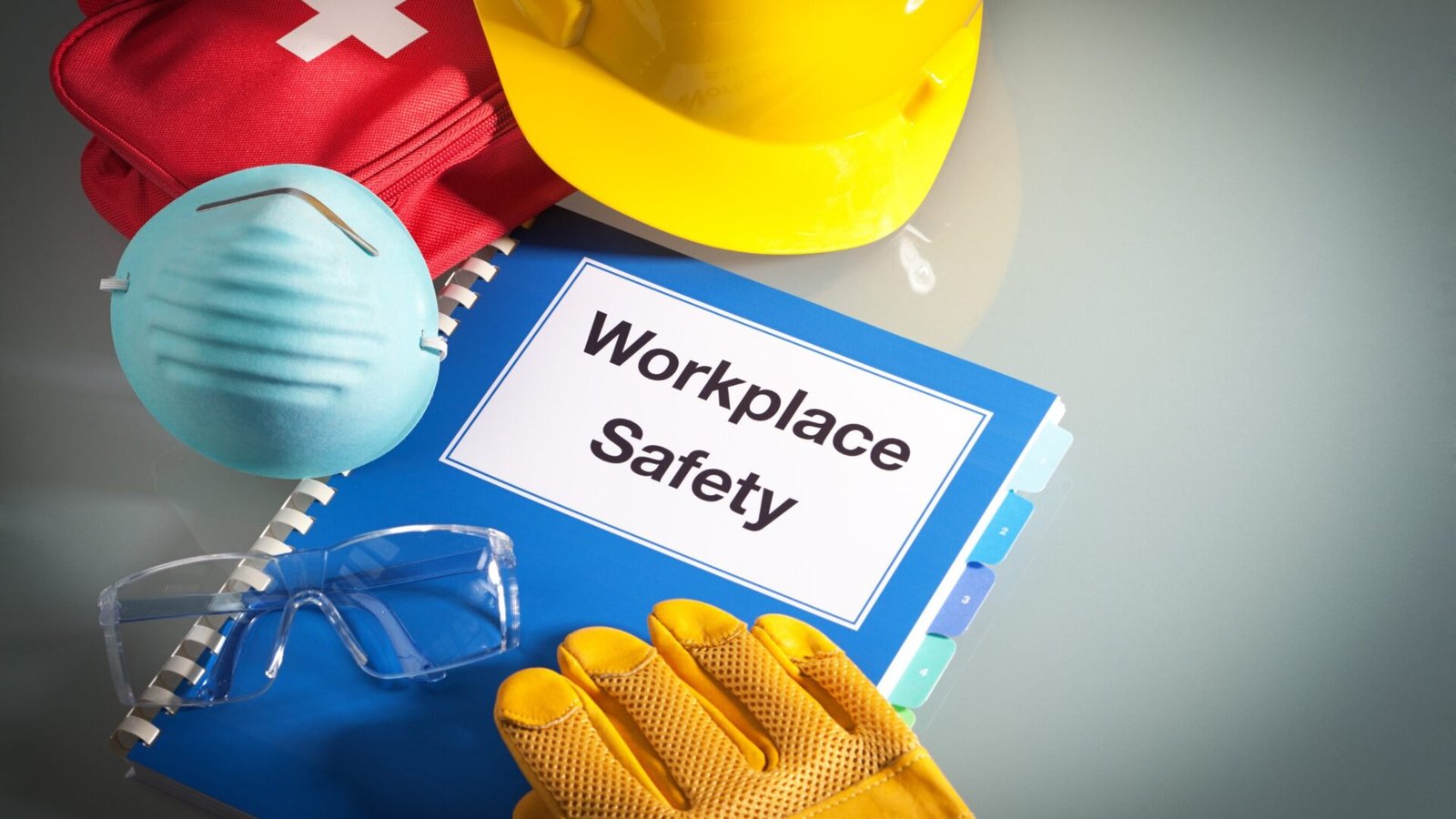
They may wear gloves to prevent direct contact with contaminated surfaces. In some situations, they use respirators to avoid inhaling airborne particles. Protective clothing helps prevent dust from clinging to their bodies.
After completing the inspection, inspectors remove and handle this equipment carefully. They avoid carrying contamination outside the property. This step plays a key role in preventing the spread of lead to other locations.
Protecting Occupants During the Inspection
Safety measures extend beyond the inspector. They also protect the people living in the property. Before starting the inspection, inspectors often inform occupants about the process.
In some cases, they restrict access to certain areas during the inspection. They may ask residents to stay in another room or temporarily leave the space being tested. This reduces the chance of accidental exposure.
Inspectors also take steps to protect belongings. They may cover furniture or advise residents to move items away from testing areas. These precautions ensure that personal property does not become contaminated.
Containment Strategies in Higher-Risk Situations
When inspectors expect a higher level of risk, they use containment methods to control the environment. These methods create a physical barrier between the work area and the rest of the property.
They may seal off doorways with plastic sheeting. They may limit airflow between rooms to prevent dust from spreading. These steps create a controlled space where any potential contamination remains contained.
Containment becomes especially important when inspectors need to collect samples or when they encounter deteriorated paint. It ensures that the inspection does not affect areas outside the immediate zone.
Safe Sampling Techniques
Although inspectors prefer non-destructive methods, some situations require physical sampling. When they collect paint or dust samples, they follow strict procedures.
They use specialized tools designed to minimize disturbance. They collect samples carefully and store them in sealed containers. They label each sample clearly to maintain accurate records.
After sampling, they clean the area to remove any remaining particles. This step prevents the spread of contamination and restores the space to a safe condition.
Separation Between Inspection and Repair Work
NYC enforces a clear separation between inspection and remediation. The inspector who identifies the problem does not perform the repair work.
This separation serves an important safety purpose. It prevents conflicts of interest and ensures that inspectors focus solely on accurate reporting. It also reduces the risk of rushed or careless handling of hazardous materials.
By keeping these roles separate, the city ensures that each stage of the process receives proper attention.
Clearance Testing After Disturbance
If any work disturbs lead-based paint, inspectors conduct clearance testing afterward. This step confirms that the area remains safe for occupants.
Inspectors collect dust samples from surfaces such as floors and windowsills. They send these samples to a laboratory for analysis. The results must fall below specific safety thresholds.
If the levels exceed those limits, additional cleaning becomes necessary. Clearance testing ensures that the space meets safety standards before people use it again.
Special Focus on Homes with Children
NYC places strong emphasis on protecting children from lead exposure. If a child under six lives in the unit, inspectors follow stricter safety measures.
They treat even minor paint issues as serious hazards. They ensure that landlords address these issues quickly. They may conduct follow-up inspections to confirm compliance.
Children face a higher risk because their bodies absorb lead more easily. They also spend more time on floors and frequently put their hands in their mouths. These behaviors increase the chance of exposure.
Also read: Top Questions to Ask Your EPA Lead Paint Inspector Before Hiring
Hygiene and Decontamination Procedures
Inspectors follow hygiene practices to prevent contamination from spreading beyond the inspection site. After completing their work, they clean their tools thoroughly.
They remove protective gear carefully to avoid releasing trapped particles. They wash their hands and ensure that no dust remains on their clothing or equipment.
These steps protect not only the inspector but also other people they may encounter after leaving the site.
Detailed Documentation and Recordkeeping
Safety does not end with the physical inspection. Documentation plays a critical role in maintaining safety standards.
Inspectors prepare detailed reports that include testing results, identified hazards, and recommendations. Property owners must keep these records for several years.
This documentation allows authorities to verify compliance. It also provides a reference for future inspections or repairs. Accurate records ensure accountability at every stage.
Compliance with Local and Federal Regulations
Lead inspections in NYC operate under a combination of federal and local laws. Federal regulations set baseline standards, while NYC laws add stricter requirements.
New York City Local Law 1 of 2004 stands out as a key regulation. It focuses on preventing lead exposure in residential buildings, especially those with young children. It requires landlords to inspect for hazards, carry out lead abatement when necessary, and address any risks promptly to ensure a safe living environment.
These overlapping regulations create a strong framework that prioritizes safety at every level.
Emergency Response to Severe Hazards
Inspectors sometimes encounter severe lead hazards during their work. These situations require immediate action.
They report the issue to the appropriate authorities. The city may issue violations and require urgent remediation. Property owners must address the hazard within a specified timeframe.
Quick response prevents prolonged exposure and reduces the risk of serious health effects.
Ongoing Monitoring and Maintenance
Lead safety does not end after a single inspection. NYC requires ongoing monitoring to ensure that conditions remain safe over time.
Property owners must check paint conditions regularly. They must respond to tenant complaints and address new hazards promptly. Follow-up inspections may occur to confirm compliance.
This continuous approach ensures that safety measures remain effective long after the initial inspection.
The Role of Technology in Improving Safety
Technology continues to improve the safety of lead inspections. Tools like the XRF testing allow inspectors to gather accurate data without damaging surfaces.
Digital reporting systems also help track inspection results and ensure compliance. These tools reduce human error and improve efficiency.
As technology advances, inspections become safer and more precise.
Tenant Awareness and Participation
NYC encourages tenants to play an active role in lead safety. Residents have the right to report peeling paint and request inspections.
They can ask landlords for information about lead hazards in their units. This awareness helps identify risks early and ensures that issues do not go unnoticed. When tenants stay informed, they contribute to a safer living environment.
Do you need lead inspection in NYC? Contact Manhattan Lead. Our inspectors will deeply assess your property and provide lead removal service if required. Feel free to call us and get a free quote.