Why Lead Dust Is a Specific Problem in NYC Buildings
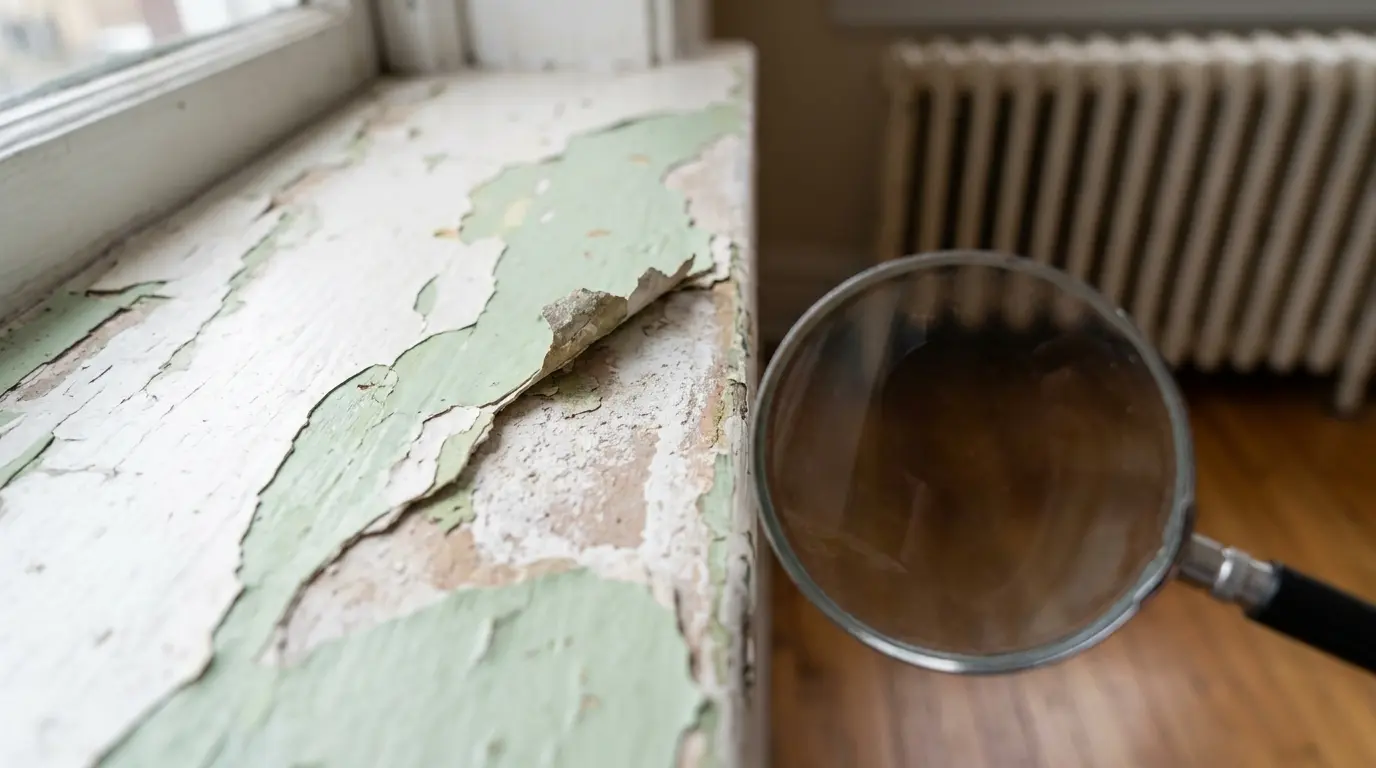
New York City has one of the largest concentrations of pre-1978 houses in the country. Buildings constructed before 1978 were built with lead-based paint, which was the standard material at the time. As that paint ages, it deteriorates through friction, impact, and renovation activity. The result is lead dust that settles on floors, window sills, door frames, and surfaces throughout the unit.
According to the New York City Department of Health and Mental Hygiene, New York City still reports thousands of children with elevated blood lead levels each year. The majority of those cases trace back to lead dust exposure in older residential buildings. For a city where most of the rental housing stock was built before the lead paint ban, this is an ongoing public health issue with a direct connection to building maintenance decisions made by property owners.
Lead dust remediation in NYC is the process of removing this contamination from the building environment before it causes harm to people living or working inside.
What Lead Dust Exposure Does to the Human Body
The health effects of lead exposure depend on the level of exposure and the age of the person exposed. The science on this is not new. Lead has been classified as a toxic substance for decades, and the medical literature is consistent on what it does to the body over time.
Effects on Children
Children under the age of six face the highest risk from lead dust exposure. Their developing nervous systems absorb lead at a higher rate than adults, and the damage that accumulates during early childhood development is not reversible.
- Lead exposure in young children causes cognitive impairment that affects learning, memory, and attention span
- Behavioral problems, including hyperactivity and difficulty with impulse control, are linked to lead exposure
- Speech and language delays appear at blood lead levels that were previously considered low
- Hearing loss and reduced IQ scores are documented outcomes in children with elevated blood lead levels
- Physical growth is affected as lead interferes with calcium absorption and bone development
The Centers for Disease Control have stated that there is no safe level of lead exposure for children. Any measurable level in the blood is a concern.
Effects on Adults
Adults absorb lead at a lower rate than children, but sustained exposure to lead dust in a living or working environment produces health consequences over time.
- Cardiovascular effects, including elevated blood pressure and increased risk of heart disease
- Kidney damage that progresses without early symptoms until function is significantly reduced
- Reproductive health effects in both men and women, including reduced fertility
- Neurological effects, including memory loss, mood changes, and concentration problems
- Muscle and joint pain that is often attributed to other causes before lead exposure is identified
In commercial properties where employees work in buildings with lead dust contamination, these outcomes represent a liability issue as much as a health concern.
How Lead Dust Spreads Through a Building
Understanding how lead dust moves through a building explains why surface cleaning alone does not solve the problem and why lead dust remediation in NYC requires a process, not just a wipe-down.
Lead dust originates from deteriorating lead paint on surfaces that experience friction or impact. Window frames are one of the most common sources because the opening and closing action grinds painted surfaces together. Door frames, stair railings, and baseboards are also common origination points.
Once released, lead dust particles settle on horizontal surfaces throughout the room. They collect on floors, furniture, carpets, window sills, and countertops. Normal activity in the space, including walking, vacuuming with a standard vacuum, and opening windows, redistributes the dust back into the air. Children crawling on floors and then putting their hands in their mouths is one of the primary ingestion pathways in residential units.
In commercial buildings undergoing renovation work on pre-1978 surfaces, lead dust generation increases significantly. Sanding, cutting, and demolition of surfaces with lead paint releases concentrated amounts of dust that travel through the air and settle across the work zone and adjacent spaces.
Also Read: How XRF Testing Improves Lead Safety
Why Timely Remediation Changes the Health Outcome
The word timely in the context of lead dust remediation in NYC is not just about speed. It refers to acting before the exposure has accumulated to a level that produces measurable health damage.
Lead accumulates in the body over time. A child who lives in an apartment with low-level lead dust contamination for two years has absorbed more lead than a child exposed to the same environment for two months. The body does not clear lead the way it clears other contaminants. Lead deposits in bones and soft tissue, and the effects compound with the duration of exposure.
For a property owner or building manager, this means the timing of the remediation directly affects the health outcome for occupants. A building where lead dust contamination is identified and addressed through proper remediation stops the exposure at the point of intervention. A building where the issue is deferred continues to expose occupants through every passing month.
Lead abatement and remediation performed before a child reaches measurable blood lead levels prevents the health damage entirely. Remediation performed after blood lead levels are already elevated reduces further exposure but cannot reverse the damage already done.
The Regulatory Framework That Drives the Timeline in NYC
New York City has some of the most specific lead paint regulations in the country. For property owners, these regulations create a compliance timeline that connects directly to the health outcomes described above.
Local Law 1 of 2004
Local Law 1 requires landlords of pre-1960 buildings, or buildings built between 1960 and 1978 where lead paint is known to be present, to perform annual inspections for lead paint hazards in units where a child under six resides. When a hazard is identified, the landlord is required to address it using lead-safe work practices.
NYC Local Law 31
NYC Local Law 31 requires owners of multiple dwellings built before 1960, or between 1960 and 1978, where lead paint is known, to perform XRF or equivalent testing of all units and common areas. The law creates a scheduled inspection and testing requirement that produces a documented record of the building’s lead paint status.
For property owners, failure to comply with these laws results in HPD and DOH violations that carry financial penalties and legal exposure. The remediation requirement exists because the regulations recognize that lead dust from deteriorating paint is an active health hazard, not a future concern.
What the Remediation Process Covers
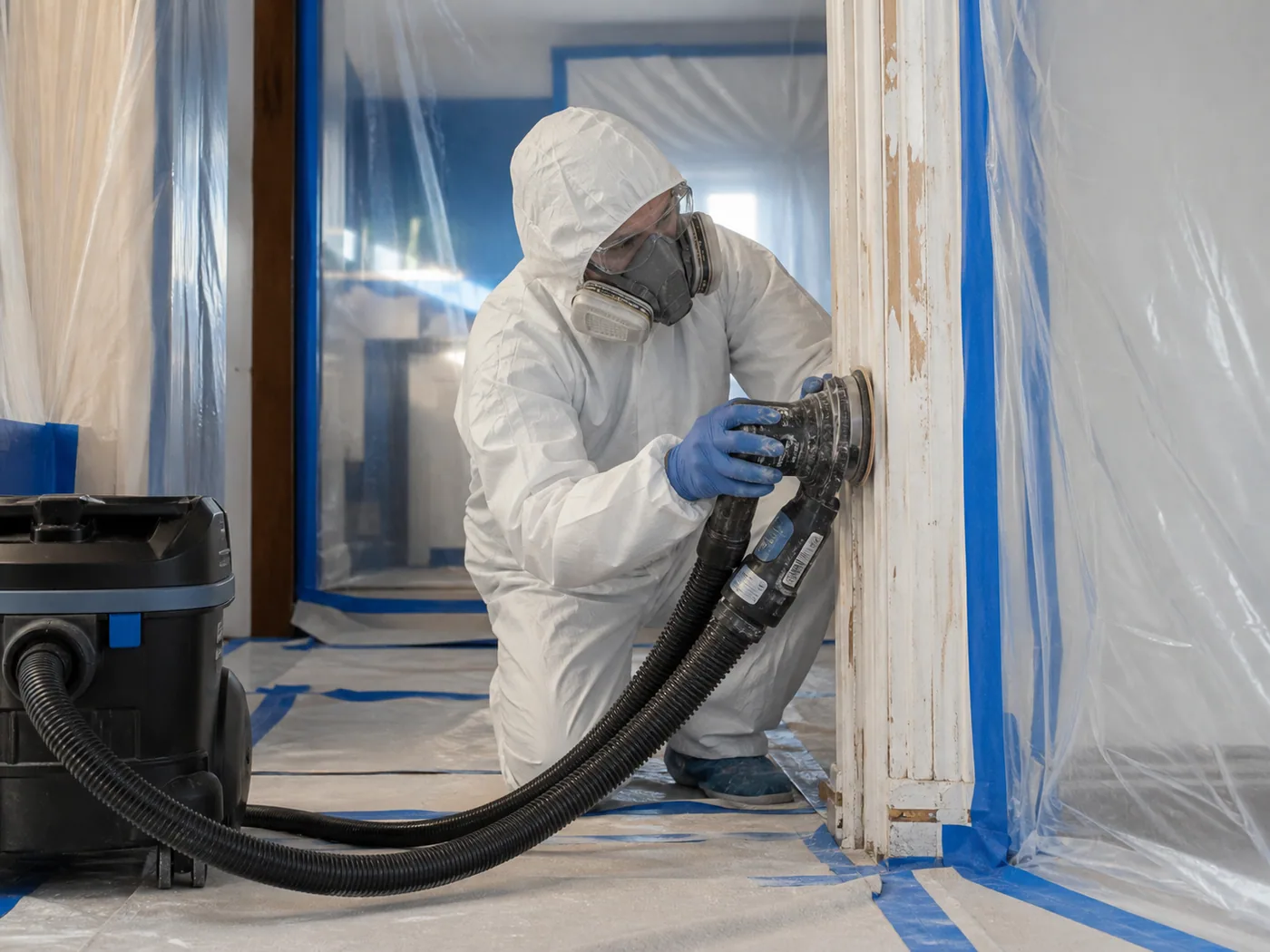
Lead dust remediation in NYC is not the same as cleaning. Standard cleaning equipment, including typical vacuum cleaners, disperses lead dust particles back into the air rather than capturing them. The remediation process uses EPA-approved methods and equipment to remove lead dust from surfaces without redistribution.
A professional lead dust remediation in NYC process typically includes:
- HEPA vacuum cleaning of all surfaces, including floors, window sills, and horizontal surfaces where dust settles
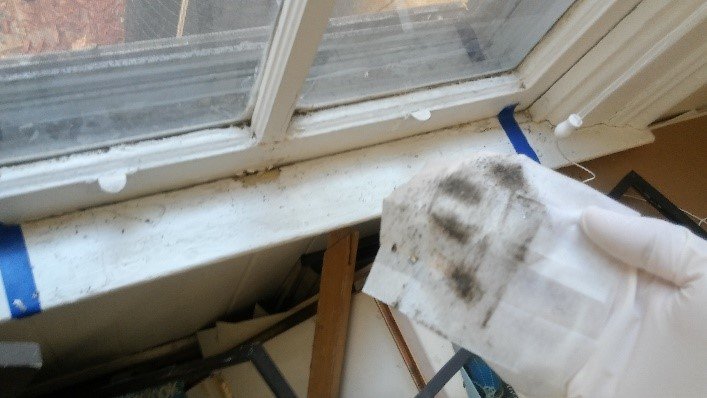
- Wet wiping of surfaces with phosphate-based cleaning solutions that bind lead particles
- Treatment or encapsulation of deteriorated painted surfaces that are the source of ongoing dust generation
- Disposal of contaminated materials following EPA and NYC guidelines
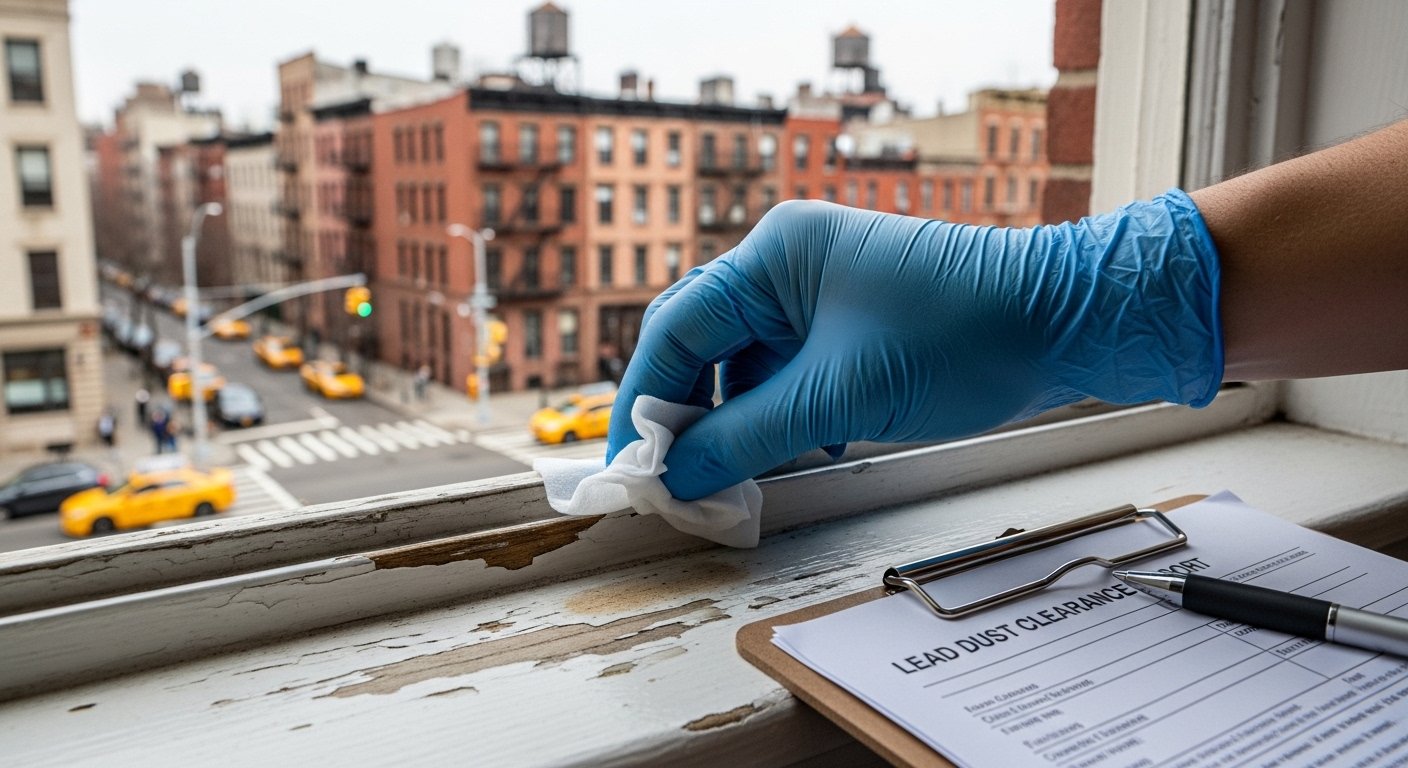
- Dust wipe clearance testing after the work is complete to confirm that lead dust levels meet the acceptable thresholds set by regulation
The clearance testing step is what separates remediation from cleaning. Without post-work testing, there is no confirmation that the contamination has been reduced to acceptable levels. The test results provide documentation that the work achieved the standard required.
The Cost of Delaying Lead Dust Remediation
Property owners sometimes defer remediation because of cost. The calculation that makes sense to revisit is the full cost of deferring versus the cost of acting.
An HPD lead violation on a rental property in New York City carries civil penalties and can trigger a DOH investigation if a child in the unit has elevated blood lead levels. The legal and financial exposure from a documented failure to address a known lead hazard in a rental unit far exceeds the cost of the remediation itself.
For commercial property owners, the liability picture is similar. A building where employees are exposed to lead dust through ongoing renovation work or deteriorating painted surfaces, and where no remediation plan is in place, creates a documented occupational health liability.
Beyond the regulatory and legal dimension, there is the medical cost that accumulates on the other side of the decision. Lead poisoning treatment, learning support, and long-term health management for a child who experienced sustained lead exposure is a cost that follow the child for years. The remediation cost sits at the front of that chain as the intervention that prevents it.
Lead Inspection Is the First Step
At Manhattan Lead, our EPA-certified team works with landlords, property managers, and building owners across New York City on lead paint inspection, testing, and the documentation required for HPD and DOH compliance. Whether the property needs a clearance test after completed work, a full building inspection under Local Law 31, or a response to an existing violation, the process starts with an accurate picture of what the building contains.
If your building has pre-1978 construction and lead dust remediation has not been part of the maintenance history, the exposure is likely ongoing. Every month without remediation adds to the accumulated lead load in the environment and in the bodies of the people inside it. Contact us to schedule an inspection and find out exactly what the building needs before the health and compliance consequences grow further.