
The Old Ways of Finding Lead Paint
Before we talk about the good methods, let’s look at how things used to work. Because trust us, the old lead paint testing methods were kind of a headache.
For years, inspectors relied on two main approaches:
- Paint chip sampling
- Chemical test kits
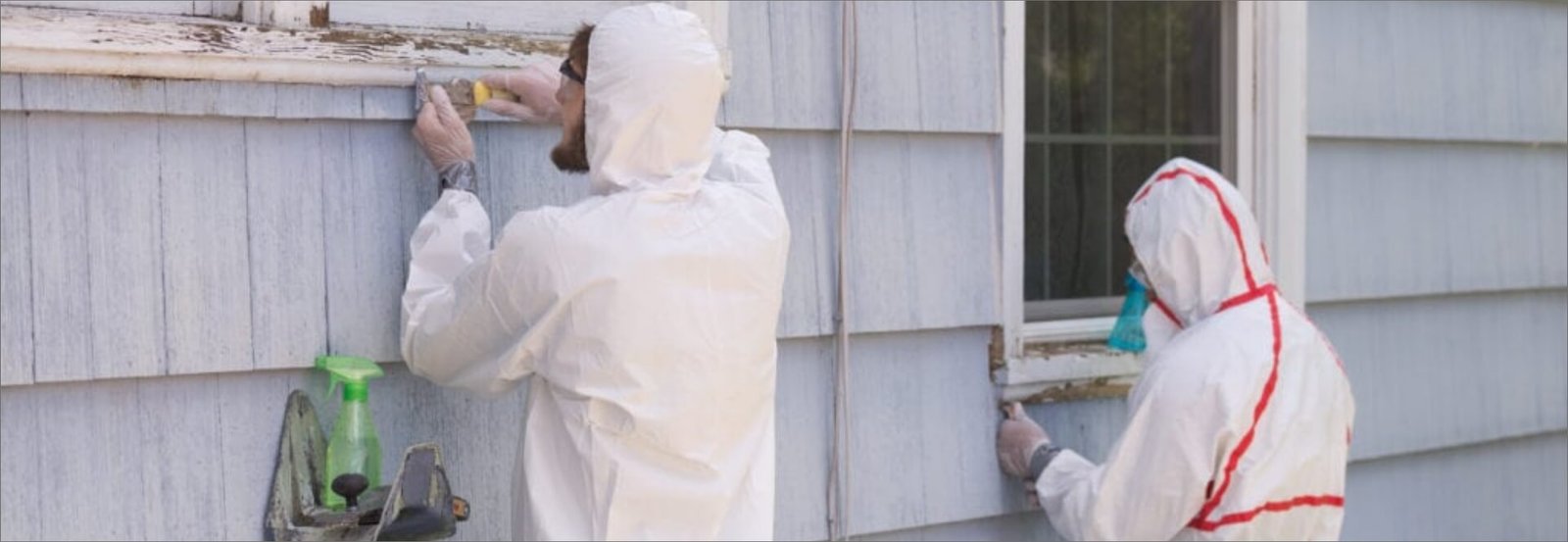
Paint chip sampling meant exactly what it sounds like. Someone would come to your home, scrape off pieces of paint, and send them to a lab. Then you’d wait. Results could take days or even weeks. Plus, every time they took a sample, they damaged your walls a little bit.
Chemical test kits were another option. These are those do-it-yourself kits you can buy at hardware stores. You apply a chemical solution to the paint surface. If it changes color, lead might be present.
But not so fast. These kits often produce false positives and false negatives. They’re also surface-level only. If there are multiple layers of paint, which is common in older homes, the kit might miss lead buried underneath.
Neither of these lead paint testing methods gave you instant answers. Neither was perfectly accurate. And both left something to be desired when it came to thoroughness.
The XRF Technology
Now, let’s talk about the technology that changed everything. XRF lead testing stands for X-ray fluorescence testing. It sounds complicated, but the concept is pretty straightforward.
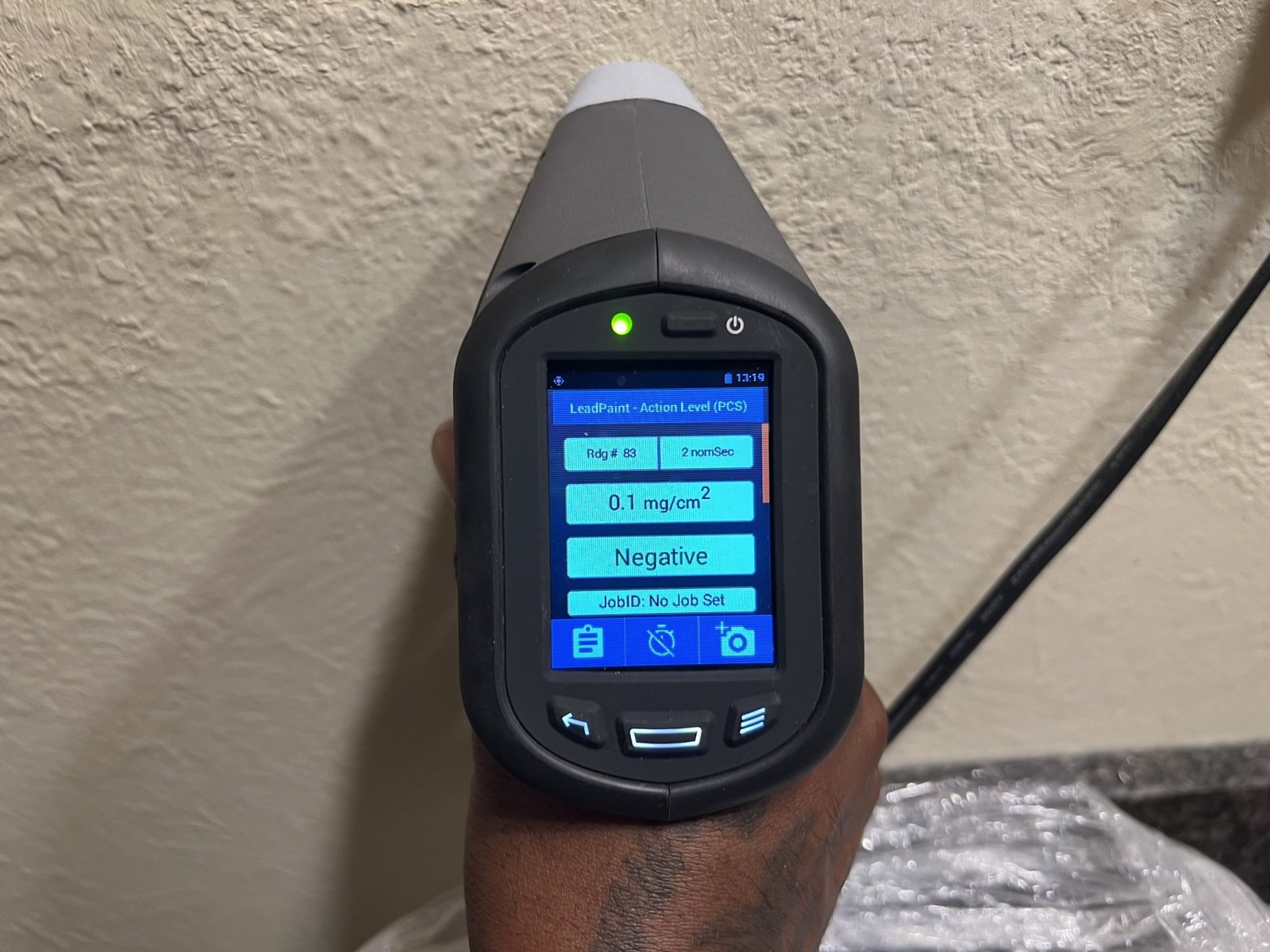
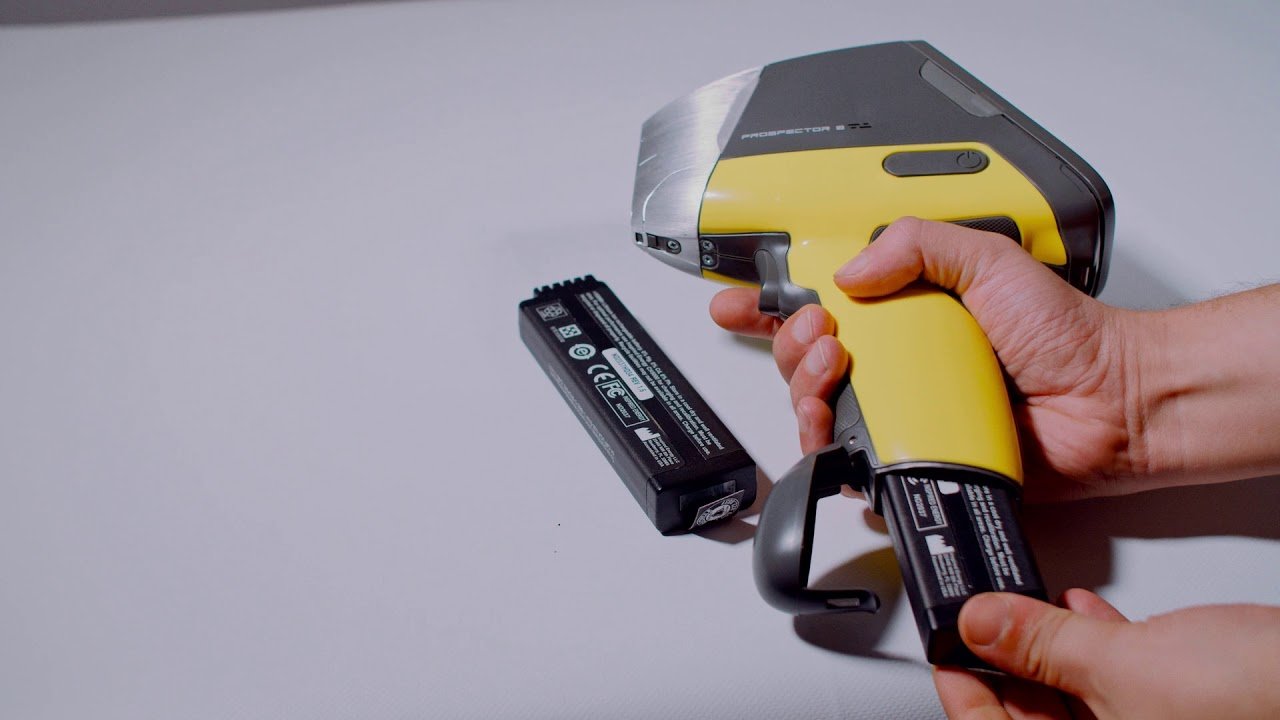
An XRF analyzer is a handheld device. An inspector points it at a painted surface and pulls the trigger. The device sends out X-rays. These X-rays interact with the paint and any materials underneath. The device then measures the energy that bounces back.
Different elements give off different energy signatures. Lead has a very specific signature. So when the XRF analyzer detects that signature, it knows lead is present. And it can tell you how much lead is there, measured in milligrams per square centimeter.
The whole process takes just a few seconds per reading. No scraping. No chemicals. No waiting for lab results.
Why XRF Testing is a Game Changer for Lead Inspections
So why does this matter so much? Because speed, accuracy, and safety all improve with XRF lead testing. Let’s break it down.
Speed That Makes Sense
Time matters when you’re dealing with potential lead hazards. If you’re closing on a house, you need answers fast. If you’re a landlord with tenants, delays mean continued exposure risks.
With XRF technology, an inspector can test hundreds of surfaces in a single visit. Living room walls. Window frames. Door trim. Baseboards. Everything gets checked on the spot.
A XRF inspection can cover an entire home in just a few hours. Compare that to the days or weeks you might wait for paint chip sampling. It’s not even close.
Accuracy You Can Trust
Remember those chemical test kits we mentioned? They’re wrong a lot of the time. Some studies have shown error rates as high as 35 percent for certain kits.
XRF lead testing is different. When performed by a trained professional using calibrated equipment, the accuracy is impressive. The technology can detect lead through multiple paint layers. It doesn’t matter if someone painted over the original lead paint five times. The XRF sees right through it.
No Damage to Your Property
This one is often overlooked. Every time you chip off paint for a sample, you create a small wound in your wall. If lead is present, you might also create lead dust in the process.
XRF testing is completely non-destructive. The device touches the surface, takes a reading, and that’s it. Your walls stay intact. No dust gets generated. No cleanup required.
What Happens During an XRF Inspection
Curious about what a lead paint inspection looks like? Here’s a rundown:
- The inspector arrives with their XRF analyzer and other equipment
- They systematically move through the property, room by room
- Each type of surface gets tested, including walls, doors, windows, trim, and ceilings
- The device gives instant readings for each location
- The inspector records all results and notes any areas of concern
- You get a detailed report showing exactly where lead was found and at what levels
The whole thing feels straightforward from your end. But behind the scenes, a lot is happening. The inspector is mapping your entire property for lead hazards.
Who Needs XRF Lead Testing?
This is a fair question. Not everyone realizes they might need a lead inspection. Here are some situations where XRF lead testing becomes unavoidable:
- You’re buying or selling a home built before 1978
- You’re planning renovations in an older building
- You’re a landlord responsible for tenant safety
- Your child has high blood lead levels, and you’re trying to find the source
- You run a childcare facility, school, or healthcare center
- You’re a property manager dealing with older buildings
Homes built before 1978 have a significant chance of containing lead paint. The older the home, the higher the likelihood. Houses from the 1940s and earlier are especially risky.
But even if you think your home is safe, testing provides confirmation. And confirmation provides something money can’t buy. The knowledge that your family is protected.
Why Understanding XRF Result Matters
When you get your inspection report, you’ll see numbers. Those numbers represent lead concentration levels. But what do they mean?
The key threshold to know is 1.0 milligrams per square centimeter. At this level or above, the paint is considered lead-based paint under federal regulations. Lower levels still indicate lead presence but may not trigger the same legal requirements.
Your inspector should walk you through the results. They’ll explain which areas tested positive. They’ll discuss what those findings mean for your specific situation. And they’ll help you understand your options moving forward.
Also Read: XRF Lead Test Clear Violation 623 NYC
Why You Can’t DIY XRF Lead Testing
We want to be honest with you. XRF lead testing is incredibly effective, but it does have some limitations:
- It works best on flat surfaces; irregular textures can affect readings
- Very thin paint layers might produce less accurate results
- The inspector’s training and experience matter a lot
- Equipment must be properly calibrated and maintained
This is why choosing the right inspection company matters. You want professionals who understand the technology. You want people who’ve done this hundreds or thousands of times. You want accurate results the first time.
Why Manhattan Lead is the Right Choice
At Manhattan Lead, we’ve built our reputation on accurate, thorough lead inspections. Our team uses state-of-the-art XRF equipment. We stay current on all lead paint testing methods and industry best practices.
We know how stressful lead concerns can be. That’s why we move quickly, communicate clearly, and provide detailed reports you can actually understand.
Whether you’re a worried parent, a first-time homebuyer, or a property manager juggling multiple buildings, we’re here to help. Our inspectors are certified, experienced, and care about keeping your spaces safe.
Lead poisoning affects approximately 500,000 children in the United States each year. That’s half a million kids whose health could be impacted for life. We take that seriously.
If you’re concerned about lead in your home or building, don’t wait and wonder. The not knowing is often worse than finding out. Visit manhattanlead.com today and schedule your XRF lead testing inspection. Because when it comes to your family’s safety, guessing just isn’t good enough.