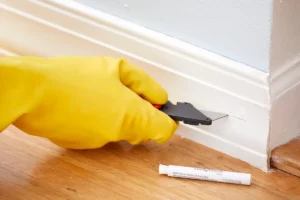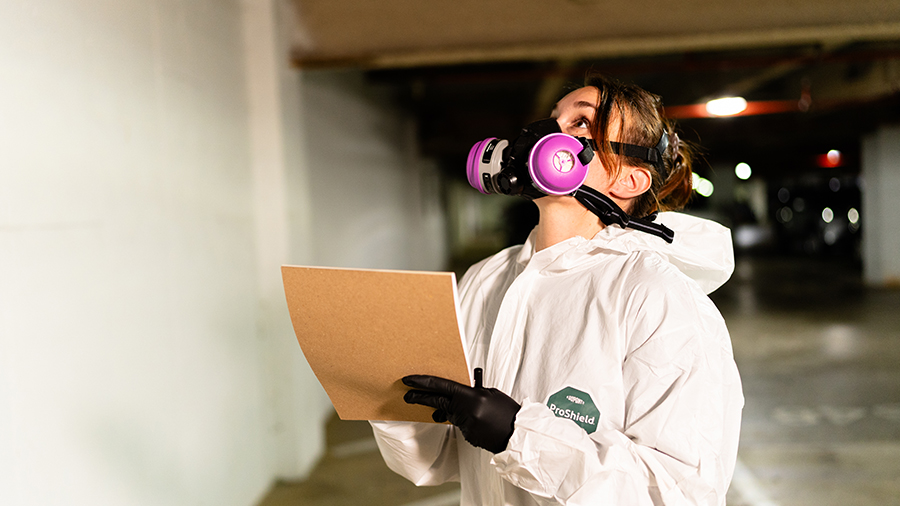
Hiring an EPA-certified lead paint inspector in NYC is not a decision you should rush. Lead-based paint hazards can affect your health, your family, and even your legal responsibilities as a property owner. Whether you are buying an older home, renovating a property, or managing a rental, choosing the right professional makes all the difference.
Many homeowners assume that certification alone guarantees quality. That assumption often leads to costly mistakes. A certificate proves basic qualification, but it does not reveal experience, testing methods, reporting clarity, or reliability. You need to dig deeper.
Here, we will discuss the most important questions to ask before hiring an EPA-lead paint inspector in NYC.
Why Asking the Right Questions Matters
Lead exposure remains a serious concern, especially in homes built before 1978. Improper inspections can miss contamination or give you a false sense of security. Inaccurate reports may also create legal problems if you plan to sell or rent your property.
When you ask the right questions, you:
- Verify the inspector’s credibility
- Understand the inspection process
- Avoid hidden costs
- Ensure compliance with regulations
- Protect your family from health risks
A professional inspector should welcome your questions. If someone seems uncomfortable answering them, consider it a warning sign.
Questions To Ask Before Hiring an EPA Lead Paint Inspector in NYC
Are You EPA-Certified and Can You Provide Proof?
Any legitimate lead paint inspector must hold certification under the Environmental Protection Agency (EPA) or an authorized state program. Certification ensures that the inspector understands federal safety standards and proper lead testing procedures.
What to Look For:
- A valid certificate with an expiration date
- Training provider details
- License number you can verify
Red Flag:
If the inspector hesitates to show proof or gives vague answers, do not proceed. Certification is the baseline, not the finish line.
How Much Experience Do You Have with Lead Inspections?
Experience matters more than most people realize. An inspector who has tested hundreds of homes will identify risks that a beginner might miss.
Ask Follow-Up Questions:
- How many inspections have you completed?
- Do you specialize in residential or commercial properties?
- Have you worked with homes similar to mine?
Why It Matters:
Older homes often have layered paint, renovations, and hidden surfaces. An experienced inspector knows where to look and what to test.
What Type of Testing Methods Do You Use?
Not all inspections rely on the same methods. Understanding the tools used will help you judge the accuracy of the results.
Common Methods:
X-Ray Fluorescence (XRF): A handheld device that detects lead instantly without damaging surfaces.
Paint Chip Sampling: The inspector collects samples and sends them to a laboratory.
What You Should Ask:
- Do you use XRF, lab testing, or both?
- Is your equipment calibrated regularly?
- Which method suits my property best?
A professional will explain the pros and cons of each method and recommend the most reliable approach for your situation.
Also read: How XRF Testing Improves Lead Safety Inspections.
Will You Provide a Detailed Written Report?
A proper inspection does not end with testing. The report holds equal importance.
A High-Quality Report Should Include:
- Exact locations of lead-based paint
- Testing methods used
- Risk assessment details
- Clear recommendations for next steps
- Photos or diagrams
You may need this report for legal compliance, renovation planning, or property transactions. A vague or incomplete report can cause serious issues later.
Are You Insured and Bonded?
Insurance protects both you and the inspector.
Ask About:
- General liability insurance
- Professional liability
Why It Matters:
If something goes wrong, such as property damage or incorrect reporting, you want to ensure you are not held financially responsible.
Inspectors without insurance expose you to unnecessary risk.
What Is Included in Your Inspection Service?
Not all services cover the same scope. Some inspectors only test surfaces, while others include risk assessments and consultations.
Clarify:
- Number of rooms or surfaces tested
- Exterior vs. interior coverage
- Dust or soil testing
- Follow-up consultation
Ask for a written list of what the service includes. This prevents misunderstandings later.
How Long Will the Inspection Take?
Time estimates help you understand how thorough the inspection will be.
Typical Timeframes:
- Small homes: 1 to 2 hours
- Larger properties: several hours
What to Watch For:
If someone promises to inspect a large property in a very short time, they may rush the process. Thorough inspections require patience and attention to detail.
What Will the Inspection Cost?
Price matters, but it should never be your only deciding factor.
Ask for:
- A detailed breakdown of costs
- Any additional fees
- Payment terms
Important Insight:
Very low prices often signal shortcuts. On the other hand, high prices do not always guarantee quality. Focus on value, not just cost.
Do You Follow EPA Safety Protocols During Testing?
Lead dust can spread during improper inspections. A professional must follow strict safety guidelines.
Ask:
- How do you prevent contamination?
- Do you use protective equipment?
- How do you handle hazardous materials?
Why It Matters:
Poor handling can expose you and your family to lead during the inspection itself.
Can You Explain the Difference Between Inspection and Risk Assessment?
Many homeowners confuse these two services.
Inspection: Identifies the presence of lead-based paint.
Risk Assessment: Evaluates potential hazards, including dust, soil, and deterioration.
Why You Should Ask: A knowledgeable inspector will clearly explain which service you need. In some cases, you may require both.
What Happens If Lead Is Found?
This question prepares you for the next steps.
A Professional Should Explain:
- Your options for remediation
- Whether removal or encapsulation is recommended
- Estimated costs and timelines
- Legal responsibilities
Red Flag:
Avoid inspectors who push you toward specific contractors without justification. They may have hidden affiliations.
Also read: Why Lead Testing Your Home Should Be on Your Checklist
Do You Offer Post-Inspection Support?
A good inspector does not disappear after delivering the report.
Ask:
- Will you review the report with me?
- Can I contact you with questions later?
- Do you provide guidance during remediation?
Why It Matters:
Lead-related decisions can feel overwhelming. Ongoing support adds real value.
Can You Provide References or Reviews?
Past client experiences reveal a lot about professionalism and reliability.
What to Request:
- References from recent clients
- Online reviews or testimonials
What to Look For:
- Consistent positive feedback
- Comments about accuracy and professionalism
- Transparency in communication
Are You Familiar with Local Regulations?
Lead laws vary by location. A competent inspector must understand local requirements in addition to federal rules.
Ask:
- What are the local compliance requirements?
- Do I need to disclose results when selling or renting?
Why It Matters:
Failure to comply with local laws can result in fines or legal action.
What Equipment Do You Use and How Is It Maintained?
High-quality tools lead to accurate results.
Ask:
- What brand or type of equipment do you use?
- How often do you calibrate your devices?
Why It Matters:
Poorly maintained equipment can produce false readings, which may lead to dangerous decisions.
Do You Work Independently or with a Company?
Understanding the inspector’s work structure helps you evaluate accountability.
Independent Inspectors:
- Often provide personalized service
- May have limited resources
Company-Based Inspectors:
- Usually follow standardized processes
- May have multiple technicians
Choose the option that offers reliability, transparency, and responsiveness.
How Do You Handle Confidentiality?
Inspection results can affect property value and legal matters.
Ask:
- Who will have access to the report?
- Do you share information with third parties?
Why It Matters:
You want control over sensitive information.
What Makes Your Service Different from Others?
This open-ended question reveals confidence and professionalism.
Look For:
- Clear explanations
- Unique strengths
- Honest comparisons
Red Flag:
Avoid inspectors who criticize competitors instead of focusing on their own strengths.
Signs You Are Hiring the Right Inspector
After asking these questions, you should feel confident in your decision. The right inspector will:
- Communicate clearly and patiently
- Provide transparent pricing
- Show strong experience and credentials
- Follow safety standards
- Offer detailed and understandable reports
Trust your instincts. If something feels off, keep searching.
Common Mistakes to Avoid
Many homeowners make the same errors when hiring a lead paint inspector.
Avoid These Pitfalls:
- Choosing based on price alone
- Skipping credential verification
- Ignoring reviews and references
- Not asking about testing methods
- Overlooking insurance coverage
Taking a little extra time now can save you from serious problems later.
Get in Touch With Manhattan Lead and Hire EPA Lead Paint Inspectors in NYC
Get in touch with Manhattan Lead today and take the first step toward a safe property.
Whether you own, manage, or plan to renovate a building in New York City, hiring certified EPA lead paint inspectors is essential for compliance and peace of mind. Our experienced team delivers accurate testing, detailed reporting, and clear guidance so you can make informed decisions without confusion.
We understand the challenges of NYC properties, especially older buildings where lead-based paint risks remain high. From initial consultation to final report, we keep the process smooth, transparent, and efficient.
Contact us now to schedule your inspection and ensure your property meets all safety standards with confidence.