
Why Lead Compliance Matters in New York City
Lead exposure continues to pose a serious public health concern, especially for young children. Although the federal government banned residential lead-based paint in 1978, many buildings throughout New York City predate that ban. As a result, thousands of apartments still contain painted surfaces that may include lead-based paint.
When paint deteriorates, chips, or generates dust during repairs and renovations, residents can inhale or ingest lead particles. Even small amounts of lead exposure can affect a child’s development, learning ability, and overall health. Because of these risks, New York City enforces strict regulations that place clear responsibilities on property owners and managers.
Property managers often serve as the first line of defense against lead hazards. Their decisions influence maintenance schedules, tenant communication, contractor oversight, and regulatory compliance. A single oversight can trigger costly violations, legal disputes, and tenant health concerns.
For that reason, lead compliance should not function as an occasional task. It should remain an ongoing part of property management operations.
Understand the Regulatory Landscape of Lead Regulations
Property managers must navigate several layers of lead regulations. Federal, state, and local laws work together to establish compliance requirements.
At the federal level, the Environmental Protection Agency (EPA) regulates lead-safe renovation practices through the Renovation, Repair, and Painting (RRP) Rule. Contractors who disturb painted surfaces in pre-1978 housing must follow specific procedures to control lead dust and debris.
New York State also maintains regulations designed to reduce lead exposure and ensure safe housing conditions.
However, New York City’s Local Law 1 of 2004 creates some of the most significant compliance obligations for residential property owners and managers. This law focuses heavily on preventing childhood lead poisoning and requires property owners to identify and address lead hazards before they create health risks.
Property managers who oversee multifamily buildings must understand how these laws intersect and apply to daily operations.
Also read: Lead Inspection Requirements in Manhattan vs Brooklyn vs Queens
What Is Local Law 1?
Local Law 1, formally known as the New York City Childhood Lead Poisoning Prevention Act, establishes requirements for residential buildings built before 1960. The law may also apply to buildings constructed between 1960 and 1978 if owners know that lead-based paint exists within the property.
The law primarily focuses on apartments where children under six years old live or spend significant time.
Property owners and managers must identify lead hazards, conduct annual investigations, maintain records, and correct unsafe conditions using approved methods.
Unlike reactive compliance strategies, Local Law 1 encourages prevention. The goal involves finding hazards before lead exposure occurs.
This preventive approach requires property managers to create systems that consistently monitor, document, and address lead-related issues throughout the year.
How Property Managers Stay Compliant with Lead Regulations?
Identifying Properties That Require Compliance
Not every property falls under the same lead regulations. Property managers should begin by determining which buildings require compliance.
Generally, residential buildings built before 1960 require special attention. Buildings constructed between 1960 and 1978 may also require compliance if lead-based paint exists within the property.
Managers should maintain accurate construction records and building histories for every property under management.
A comprehensive property inventory allows managers to identify:
- Building age
- Previous lead testing records
- Existing lead-based paint conditions
- Occupancy information
- Apartments with young children
Without this information, compliance efforts become inconsistent and difficult to manage.
Also read: Health Risks of Lead Exposure and How Violation Removal Helps
Annual Tenant Notifications and Investigations
One of the most important responsibilities under Local Law 1 involves annual tenant notifications.
Property managers must ask tenants each year whether a child under six years old resides in the apartment. The city requires property owners to distribute these notices and maintain records of responses.
The process may seem simple, but many compliance failures begin with poor documentation.
Managers should create organized systems that track:
- Notice distribution dates
- Tenant responses
- Follow-up communications
- Apartment occupancy changes
After identifying apartments where young children live, managers must investigate potential lead hazards.
These investigations involve examining painted surfaces for deterioration and identifying conditions that may generate lead dust.
Routine investigations help managers detect problems early and avoid more serious compliance issues later.
The Critical Role of Lead Inspection
A professional NYC lead inspection serves as one of the most valuable tools for compliance management.
While visual observations can identify peeling paint or damaged surfaces, a lead inspection provides definitive information about whether lead-based paint exists within a property.
Property managers should view lead inspections as proactive investments rather than regulatory burdens.
A thorough lead inspection helps managers:
- Identify lead-containing surfaces
- Prioritize remediation efforts
- Reduce uncertainty during renovations
- Support compliance documentation
- Improve long-term risk management
Accurate testing creates a foundation for informed decision-making. Instead of guessing where lead hazards may exist, managers can rely on documented findings and develop targeted compliance strategies.
Properties with clear inspection records also experience fewer complications during maintenance projects and regulatory reviews.
Lead-Safe Work Practices During Repairs
Maintenance activities often create some of the greatest compliance risks.
Simple repairs can disturb painted surfaces and release lead-contaminated dust. Sanding, scraping, drilling, demolition, and renovation work all have the potential to create hazardous conditions when workers fail to follow lead-safe procedures.
Property managers should establish clear contractor requirements before any work begins.
Qualified contractors should understand applicable regulations and implement containment measures that prevent contamination from spreading throughout occupied areas.
Effective lead-safe work practices include:
- Isolating work areas
- Controlling dust generation
- Protecting occupants
- Conducting thorough cleaning
- Performing post-work verification
Managers should never assume that every contractor understands lead regulations. Verification and oversight remain essential.
Strong contractor management significantly reduces compliance risks.
Addressing Lead Hazards Before They Become Violations
Many lead-related violations stem from delayed maintenance.
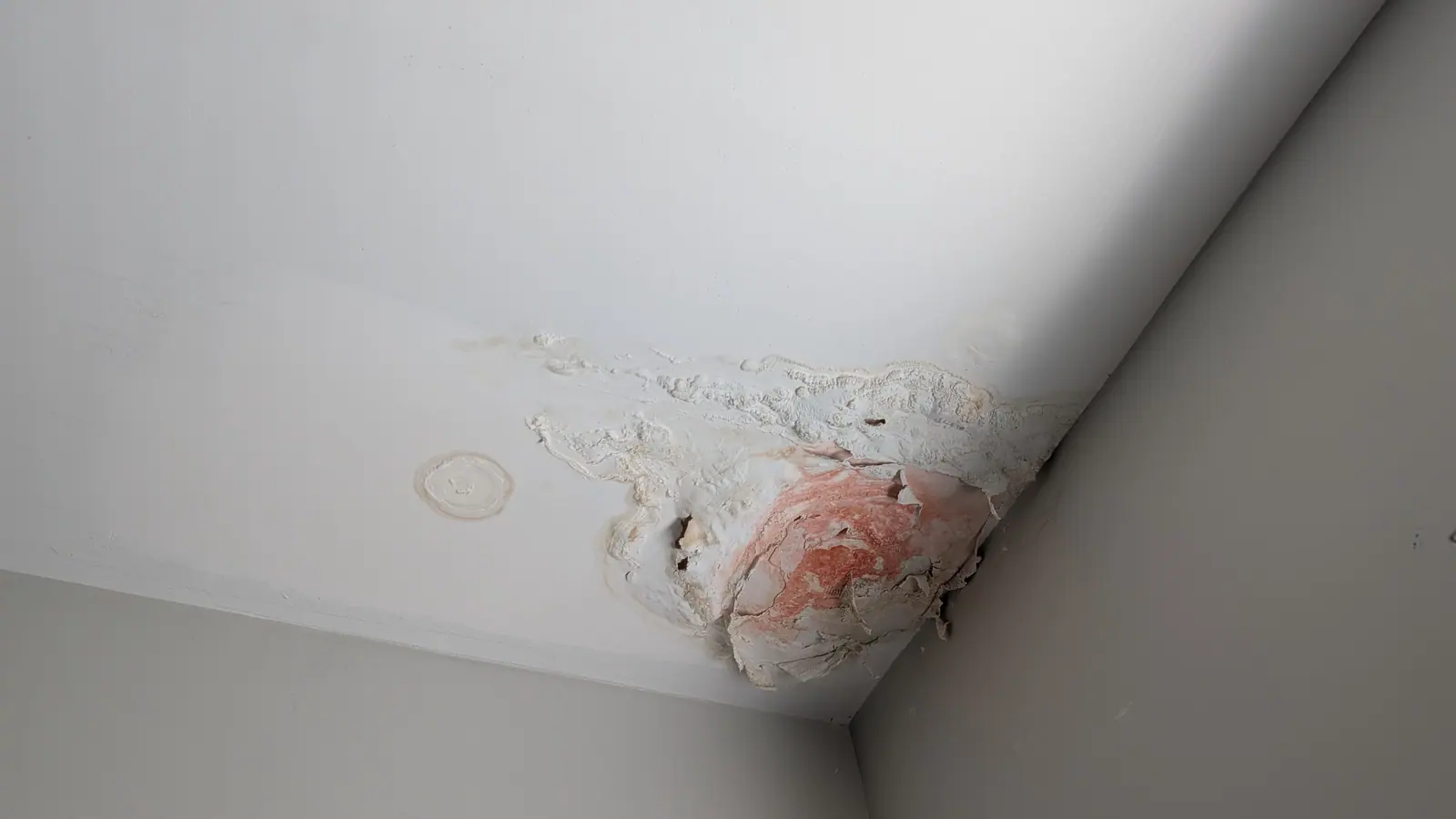
Small paint defects often develop into larger hazards when managers postpone repairs. What begins as minor surface deterioration can eventually generate dangerous lead dust and attract regulatory scrutiny.
A preventive maintenance strategy offers one of the most effective ways to maintain compliance.
Property managers should conduct regular building inspections and respond quickly to signs of paint deterioration.
Common warning signs include:
- Peeling paint
- Cracking paint
- Chipping surfaces
- Friction surfaces showing wear
- Water-damaged walls and ceilings
Prompt repairs help prevent hazards from escalating while demonstrating a commitment to tenant safety.
Preventive maintenance also costs significantly less than emergency remediation following a violation.
Documentation: The Key to Compliance Success
Many property managers focus heavily on physical repairs while overlooking documentation requirements.
However, regulators often evaluate compliance through records.
Even when managers perform inspections and repairs correctly, missing documentation can create significant problems during audits or investigations.
Property managers should maintain organized records related to:
- Tenant notifications
- Annual investigations
- Lead inspection reports
- Hazard correction activities
- Contractor certifications
- Clearance testing results
- Maintenance records
Digital recordkeeping systems can simplify compliance management across multiple properties.
Strong documentation provides evidence that managers fulfilled their responsibilities and followed regulatory requirements.
Managing Renovation and Capital Improvement Projects
Large renovation projects require additional planning and oversight. Older buildings frequently contain lead-based paint in multiple locations. Renovation work can disturb those surfaces and create widespread contamination if teams fail to implement proper controls.
Before beginning major projects, property managers should evaluate lead risks through testing and inspections.
Project planning should address:
- Lead hazard identification
- Occupant protection measures
- Contractor qualifications
- Work sequencing
- Clearance requirements
Early planning reduces delays and helps ensure compliance throughout the project lifecycle.
Managers who incorporate lead considerations during project development often avoid costly surprises later.
Responding to HPD Violations
The New York City Department of Housing Preservation and Development (HPD) actively enforces lead regulations.
When HPD identifies lead-related violations, property managers must respond promptly and effectively.
Ignoring violations rarely improves the situation. Delays often increase penalties and create additional regulatory challenges.
A structured response should include:
- Reviewing violation details
- Confirming hazard conditions
- Scheduling corrective actions
- Hiring qualified professionals
- Documenting all activities
- Meeting correction deadlines
Property managers who act quickly often resolve issues more efficiently and protect their organizations from escalating consequences.
Common Compliance Mistakes Property Managers Should Avoid
Several recurring mistakes create unnecessary compliance risks. One common error involves waiting for complaints before investigating potential hazards. Property managers who rely solely on tenant reports often miss developing problems.
Another mistake involves inconsistent recordkeeping. Missing documents can undermine otherwise successful compliance efforts.
Some managers also underestimate the importance of professional lead inspection services. Without accurate testing, decision-making becomes more difficult and less reliable.
Additional mistakes include:
- Delaying repairs
- Using unqualified contractors
- Failing to track annual notices
- Overlooking child occupancy requirements
- Neglecting post-repair verification
Recognizing these pitfalls allows managers to strengthen their compliance programs and reduce risk exposure.
Quick Answers: NYC Lead Compliance FAQs
Do all NYC buildings require lead compliance?
No. Lead regulations primarily affect residential buildings built before 1960 and certain buildings constructed between 1960 and 1978 where lead-based paint exists.
Why is a lead inspection important?
A lead inspection identifies lead-containing surfaces and helps property managers make informed decisions regarding maintenance, renovations, and compliance planning.
How often must property managers send annual notices?
Property owners and managers must distribute annual notices each year to determine whether children under six years old live in the apartment.
What happens if a property receives a lead violation?
Managers must address the hazard, document corrective actions, and satisfy regulatory requirements within the required timeframe.
Can routine maintenance create lead hazards?
Yes. Activities such as sanding, scraping, drilling, and renovation work can generate lead dust if workers fail to follow lead-safe procedures.
Shake Hands With Manhattan Lead for Reliable Lead Compliance Solutions
Navigating New York City’s lead regulations requires expertise, accuracy, and a proactive strategy. Manhattan Lead Inspections helps property owners, property managers, real estate professionals, and housing organizations stay ahead of compliance requirements through professional lead inspection services and comprehensive lead-related solutions.
Whether you need lead testing, inspections, risk assessments, regulatory guidance, or support for ongoing compliance programs, Manhattan Lead delivers the knowledge and experience required to help protect your properties and tenants. Our team understands the complexities of NYC lead regulations and works closely with clients to identify risks, maintain compliance, and create safer residential environments.
When lead compliance matters, trust us to provide dependable guidance and professional solutions.