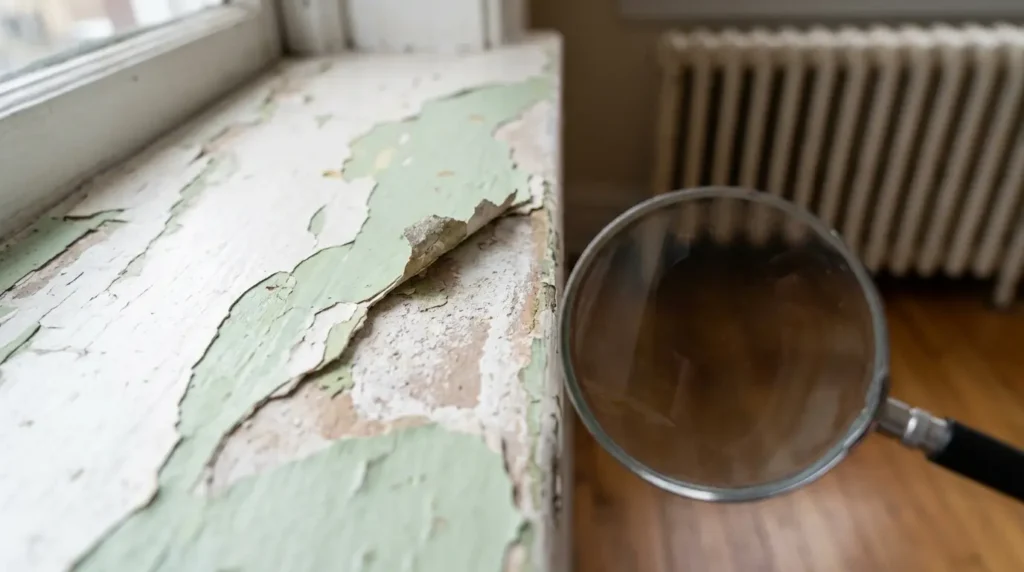
Lead dust is the kind of hazard you cannot see, smell, or taste, yet it settles on surfaces your family touches every day. In older apartments, it builds up near windows, doors, and floors long before anyone notices. Knowing where to look is the first step toward lead dust remediation in NYC, and it can protect the people you care about most.
How Old Paint Can Affect the Health of Residents
The country banned lead-based paint for homes back in 1978, but the paint did not vanish from the walls of older buildings. An estimated 31 million pre-1978 homes still contain lead-based paint, and about 3.8 million of them house young children. In a city like New York, where so much of the housing stock went up before that ban, this is a daily reality for thousands of families.
The danger is not the paint that stays put. The danger is when that paint breaks down into fine dust. Children under the age of six face the highest risk, and medical research has found no level of lead in a child’s blood that is considered safe. A toddler crawls on the floor, puts their hands in their mouth, and takes in dust no one could spot. That is how a quiet, invisible layer of dust becomes a lifelong health problem, with effects on learning, speech, hearing, and growth.
Where Lead Dust Comes From Inside Your Home
Lead dust forms when old painted surfaces rub, knock, or wear against each other. People call these friction and impact surfaces, and they are the reason dust keeps coming back even after a good cleaning. Each time a painted part moves or gets bumped, it grinds off tiny particles.
Common sources inside an apartment include:
- Windows that scrape in their frames every time you open or close them.
- Doors that bang shut against painted frames.
- Painted floors and stairs that get walked on year after year.
- Old repairs, sanding, or scraping that send paint particles into the air.
So the worst dust spots are rarely the flat, untouched walls. They are the moving parts and the high-traffic zones where paint gets disturbed over and over.
Common Surfaces That Accumulate Lead Dust
A room-by-room look helps you find the spots that hold the most dust. These are the places a careful lead paint inspection checks before anything else, and they are where you should focus your attention too.
Windows, Sills, and Window Troughs
Windows are the number one source of lead dust in most older apartments. The sash slides up and down against painted channels, grinding paint into powder that collects on the sill and in the trough below. That trough, the flat track where the window sits when closed, holds more lead dust than almost any other surface in the home. Federal rules once allowed up to 400 micrograms per square foot of lead dust in window troughs, far higher than the limit for floors, because so much settles there. Children love to rest their hands and toys on window sills, which makes this a serious contact point.
Doors, Door Frames, and Painted Trim
Doors take a beating. Every open and close lets the door rub or strike the frame, and the paint along the edges chips and powders over time. Painted trim around doorways, closets, and built-in cabinets carries the same risk. Run a hand along these edges in an old apartment, and you will notice rough, flaking spots where the dust comes from.
Floors, Baseboards, and Stair Edges
Lead dust drifts down and settles on the floor, especially under windows and along baseboards, where it collects in the corners. Painted wood floors and the edges of stairs wear thin underfoot and release particles. This is the layer that ends up on small hands, on socks, and on the toys that get dragged across the room.
Radiators, Steam Pipes, and Old Painted Metal
Many older units still have painted radiators and steam pipes. Heat causes that old paint to crack, blister, and flake, and the pieces fall to the floor below. Painted metal grates, vents, and railings break down the same way. These spots get missed often because no one expects dust to come from a heater.
How Lead Dust Spreads From One Room to the Whole Home
A single dusty window can contaminate far more than the room it sits in. Foot traffic carries the dust on shoe soles and sock bottoms from room to room. A child plays near the window, then crawls into the bedroom, moving the dust along the way. Pets walk through it and spread it onto furniture and bedding.
Cleaning the wrong way makes the problem worse. Dry sweeping and regular vacuuming lift the fine particles into the air, where they settle again on counters, tables, and cribs. So a family can clean every day and still move lead dust around the apartment without removing it. This is why surface dust is treated as a genuine hazard and not a cosmetic issue.
How to Spot Potential Lead Dust Hazards
You cannot see lead dust on its own, but the conditions that create it leave clues. Watch for these signs, especially if your building is old:
- Paint that is chipping, peeling, or cracking on windows, doors, or walls.
- A chalky residue on window sills or in the window trough.
- Windows and doors that stick or grind when you move them.
- Visible paint chips on the floor, on the radiator, or along baseboards.
- A recent renovation, scraping, or sanding job in the unit.
- A building that went up before 1960, which falls under NYC Local Law 31.
Spotting one or more of these does not confirm a lead, but it tells you the risk is high enough to take the next step.
How to Test for Lead Dust in Your Apartment
Guessing is not good enough when a child’s health is on the line. The reliable way to confirm a hazard is through professional testing. A dust wipe test collects samples from floors, sills, and troughs, and a certified lab measures the exact amount of lead present. For the paint on the surfaces themselves, XRF lead testing reads the lead content without damaging the wall, which gives a clear map of where the trouble starts.
These two methods work together. One tells you how much dust has already settled, and the other tells you which surfaces keep producing it. With both results in hand, you know whether the apartment needs a deep cleaning, sealing, or full lead dust remediation in NYC to bring the levels down and keep them down.
What Counts as a Safe Level of Lead Dust?
The standards for lead dust have grown stricter, and the numbers matter for any family planning a cleanup. For years, federal rules set the hazard line at 10 micrograms per square foot on floors and 100 on window sills. New York City moved to tighter levels in 2021, and the federal government has now followed.
Under the updated EPA rules, any reportable amount of lead in dust on a floor or window sill now counts as a hazard, and after abatement, the allowable levels drop to 5 micrograms per square foot on floors, 40 on window sills, and 100 on window troughs, with full compliance required as of January 2026. The takeaway is simple: the bar for what is considered safe keeps dropping, because the science keeps confirming that even small amounts harm children.
Take Action Before Lead Exposure Affects Your Child
Every day it sits in your window troughs and along your floors is another day your child breathes it in and carries it from room to room. By the time symptoms show up, the exposure has already done its damage, and that is a heartbreak no parent should face over something that was preventable. The cost of testing and cleanup is small next to the cost of a child’s health and a future shaped by it.
We are Manhattan Lead Inspections, an EPA-certified and licensed lead inspection company serving apartments and buildings across NYC, Brooklyn, Queens, the Bronx, and Staten Island. Our team handles the testing, the detailed reporting, and the cleanup guidance you need to bring an old apartment to a safe condition and stay compliant with Local Law 31. If you have noticed peeling paint, dusty sills, or an old building with young children inside, contact us today and let us help you find and remove the risk before it spreads any further.