Why Lead Paint Remains a Concern in Older NYC Buildings
Lead was added to paint for decades because it helped the color last and made the surface tougher. The federal government banned lead in household paint in 1978, and New York City restricted it in residential buildings even earlier. Most homes and buildings built before 1978 contain some level of lead-based paint, and the figure climbs higher for structures from before 1940.
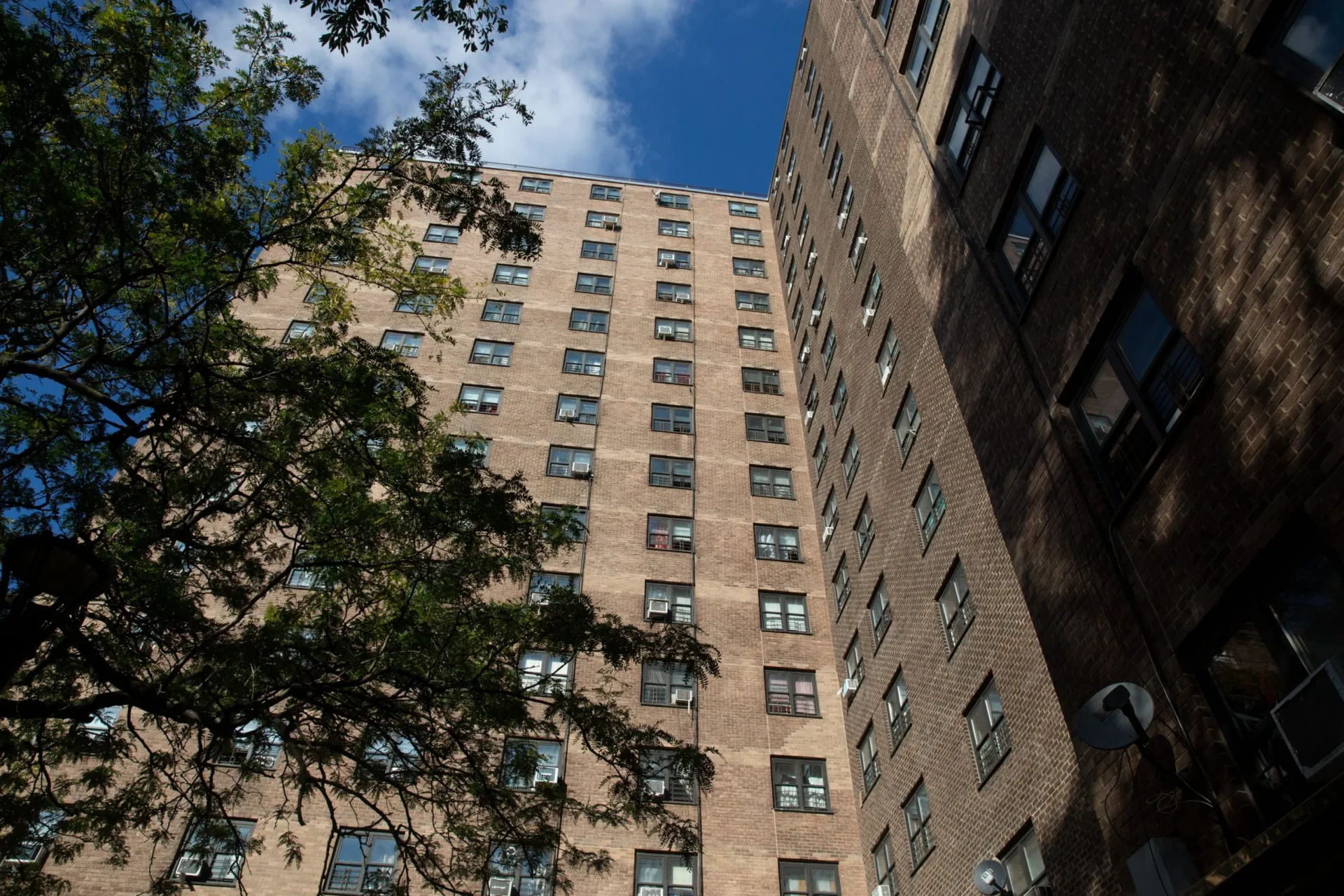
NYC has a huge stock of pre-war buildings, brownstones, and old apartment blocks. That history is part of the city’s charm, but it also means lead paint stays buried in countless walls, frames, and surfaces. This is the main reason lead paint testing in NYC matters so much for owners of older properties. The paint may have been covered ten times over, yet the lead underneath never went away.
Where Does Lead Paint Hide in an Older Building?
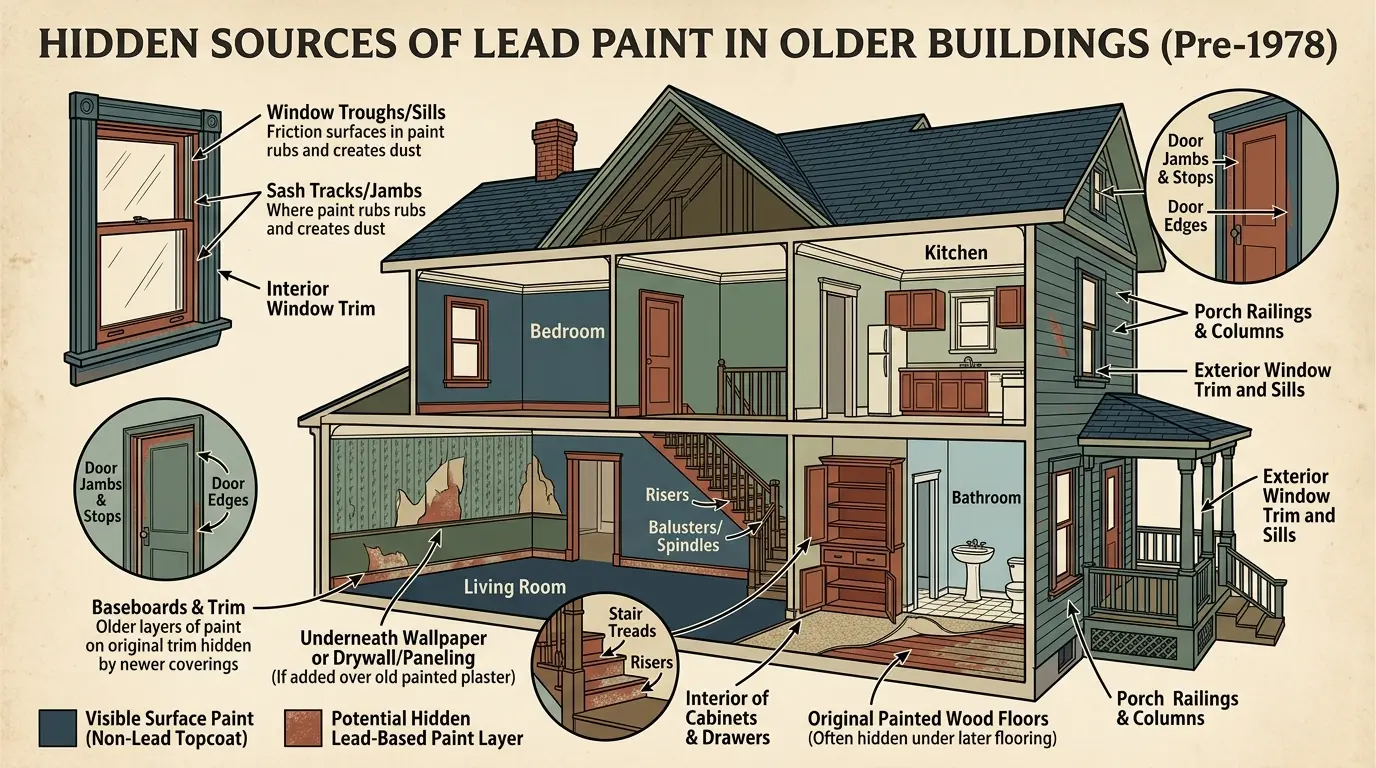
The trouble with lead paint is that it rarely stays where you expect. It hides on surfaces that get touched, opened, and bumped every single day. These are the spots that wear down first, and as the old paint chips or turns to dust, the lead spreads through the air and onto floors.
Window Frames, Sills, and Sashes
Windows are one of the worst offenders in any older building. Every time a window opens and closes, the painted parts rub against each other and grind off fine dust. That dust settles on the sill where children rest their hands and where pets walk. Old double-hung windows hold layers of lead paint in the channels and along the sash, which makes them a top concern during any inspection.
Door Frames and Door Edges
Doors face the same problem as windows. The edge of a door scrapes against the frame each time it shuts, and that friction releases paint particles over the years. Closet doors, entry doors, and the frames around them often carry old lead coats under the newer finish.
Stairwells, Railings, and Banisters
In multi-unit buildings, the shared stairwells take heavy daily traffic. Handrails and banisters get gripped thousands of times, and the constant touch wears the paint thin. Painted stair treads and risers also chip under foot traffic, which spreads lead dust through common areas where many tenants pass.
Walls Hidden Under Newer Paint Layers
A smooth, freshly painted wall can still hide lead beneath the surface. When the top coat starts to crack, peel, or bubble, the old lead layer underneath gets exposed. Damp spots, water damage, and aging plaster make this worse, since moisture loosens the bond between the layers.
Radiators, Pipes, and Heating Units
Old cast-iron radiators were often coated with lead paint that could handle high heat. As the unit heats and cools through the seasons, the paint cracks and flakes off near the floor. Painted steam pipes and boiler room surfaces in older buildings carry the same risk.
Baseboards, Trim, and Molding
Decorative trim, crown molding, and baseboards are common in pre-war NYC homes. These detailed surfaces were painted again and again, so they hold thick layers of old material. The grooves and edges chip without anyone noticing until the dust has already spread.
Porches, Fire Escapes, and Outdoor Surfaces
Exterior surfaces face rain, sun, and wind, which break down paint faster than indoor spots. Painted porches, railings, fire escapes, and window exteriors shed lead onto the ground and soil below. Tracked-in dust from these areas then ends up inside the building.
The Most Dangerous Places for Lead Paint in a Building
Not every surface carries the same danger. The level of risk depends on how much the surface gets touched and whether the paint is breaking down. Friction surfaces and chipping areas top the list because they actively release lead dust into the space.
Keep a close eye on these high-risk spots in any older building:
- Window sills and troughs where dust collects out of sight
- Door frames and jambs that rub with each use
- Peeling or cracking paint on walls and ceilings
- Chewable surfaces at a child’s height, such as low sills and railings
- Floors near radiators and trim where flakes gather
The Centers for Disease Control and Prevention notes there is no safe level of lead in a child’s blood, which is why these hidden spots matter so much in buildings where families live. Even a small amount of lead dust can affect a young child’s brain and growth.
Why You Must Hire Professionals For Lead Paint Testing in NYC
Spotting lead by eye is close to impossible, since it looks like any other old paint once it is covered. The only way to know for sure is a proper test by a certified professional. Two methods give you reliable answers about what is hiding in your building.
The first method uses an XRF analyzer, a handheld device that reads the lead content right through the layers of paint without damaging the surface. This lets an inspector check window frames, doors, walls, and trim in a fast, clean way. For surfaces that need a closer look, XRF lead testing gives instant readings on the spot.
The second method is paint chip sampling, where a small piece of paint is collected and sent to a lab for analysis. This works well for confirming results and for surfaces where readings need extra checking. A full lead paint inspection often combines both methods, so no hidden spot gets missed across the whole property.
Next Steps After a Positive Lead Paint Test
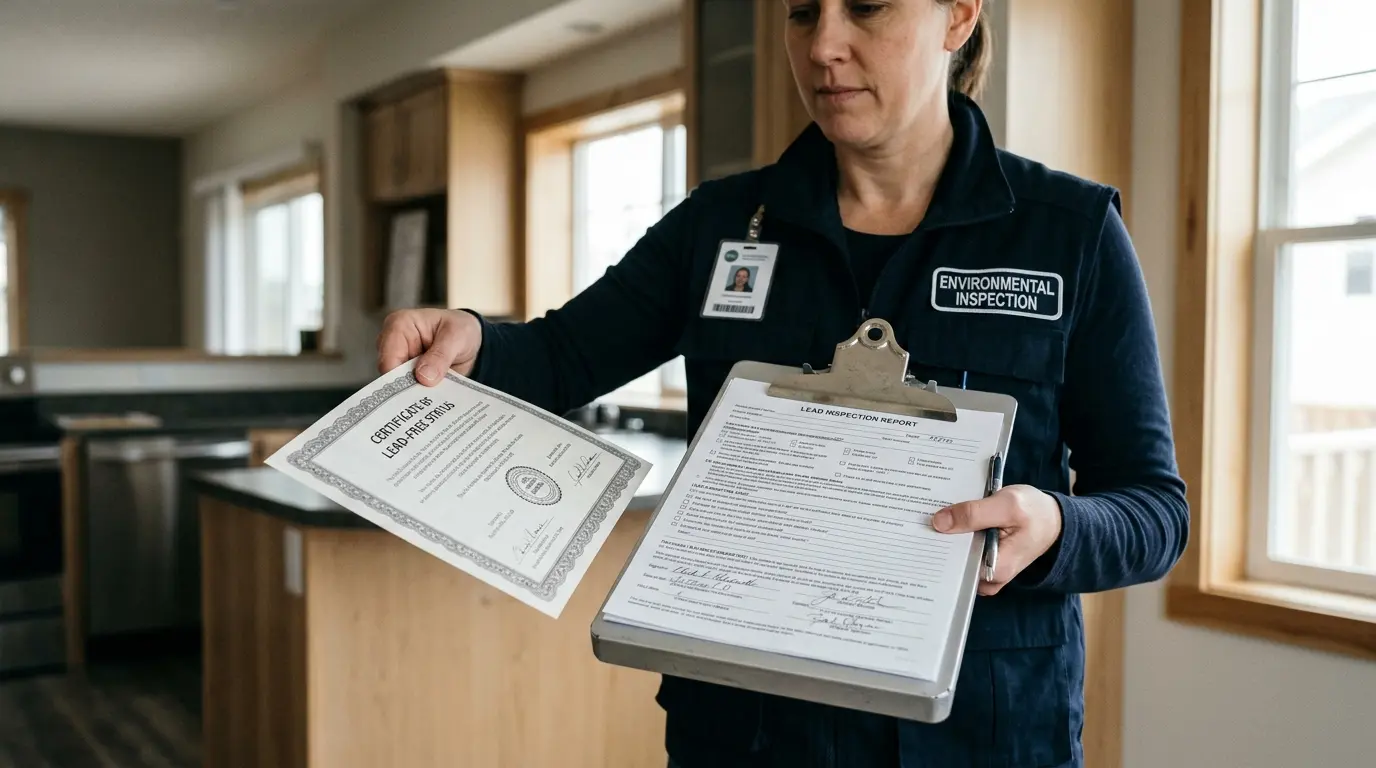
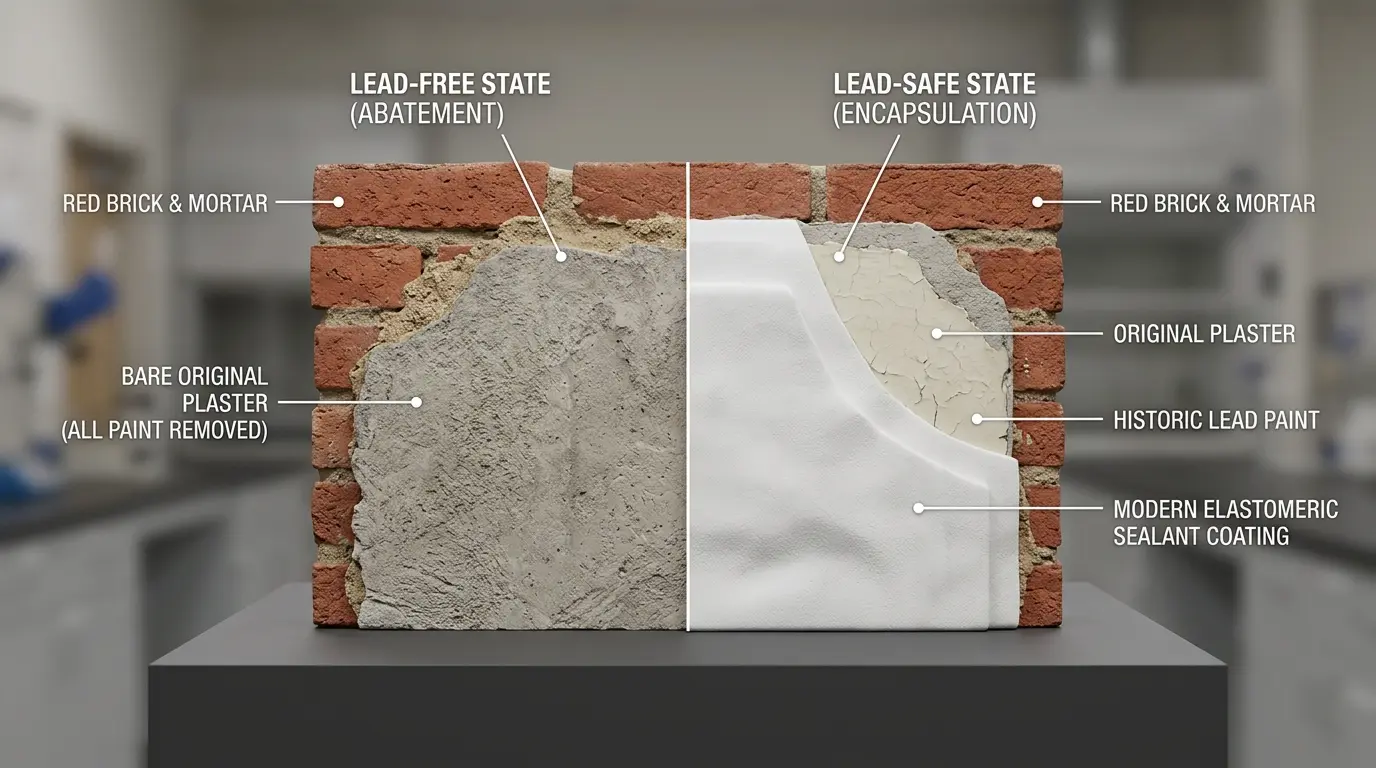
Finding a lead is not the end of the world, but it does call for a clear plan. The first step is to know exactly where the lead sits and at what level, which is what a detailed report gives you. From there, you can decide how to handle each surface based on its condition and risk.
A few sensible steps help you manage the situation:
- Keep painted surfaces in good shape so they do not chip or peel
- Address friction points like windows and doors before they shed more dust
- Clean dust-prone areas with proper methods rather than dry sweeping
- Bring in certified help for any work that disturbs lead paint
- Keep records of testing and any work done, since NYC rules may require it
For older NYC buildings, the law often has a say in this too. Rules under Local Law 31 set out testing duties for many pre-1960 properties, so staying ahead of the problem protects both your tenants and your standing as an owner.
Schedule Certified Lead Paint Testing Before Problems Surface
The lead in your building will not announce itself. It hides in the window your tenant opens each morning, the railing a child grips on the stairs, the door that closes a hundred times a day. By the time peeling paint or a tenant complaint forces your hand, you face violations, fines, and the fear of a child harmed under your roof. Waiting only raises the cost and the risk, and no owner wants that call about a sick tenant or a city order on the door.
We at Manhattan Lead are an EPA-certified and licensed lead inspection company serving property owners across Manhattan, Brooklyn, Queens, the Bronx, and Staten Island. Our team uses XRF analyzers, paint chip sampling, and dust wipe testing to find the hidden lead in your building and give you reports accepted by NYC agencies. If your property dates back to before 1978, reach out to us and let our certified inspectors check the spots most people never think to look before a small problem turns into a serious one.