Step 1: Get XRF Testing From an EPA-Certified Inspector
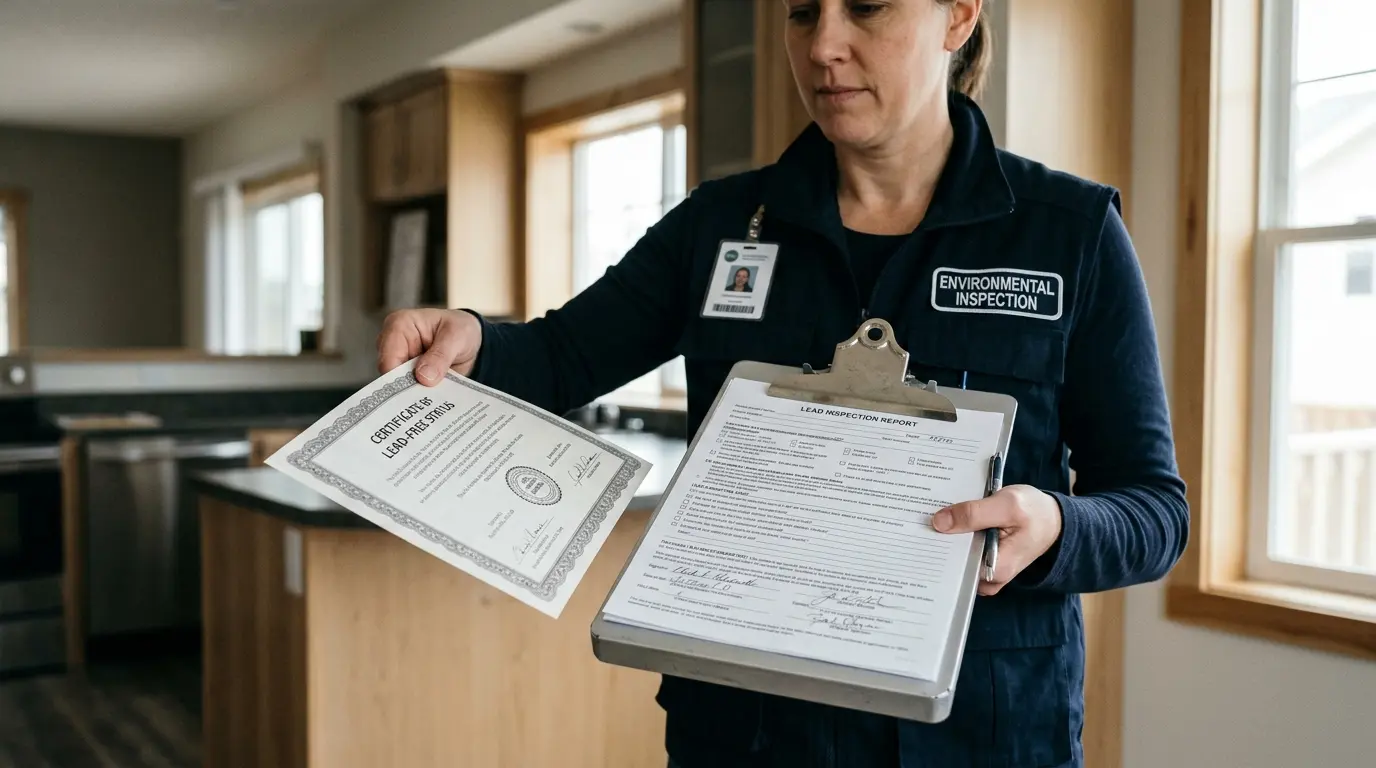
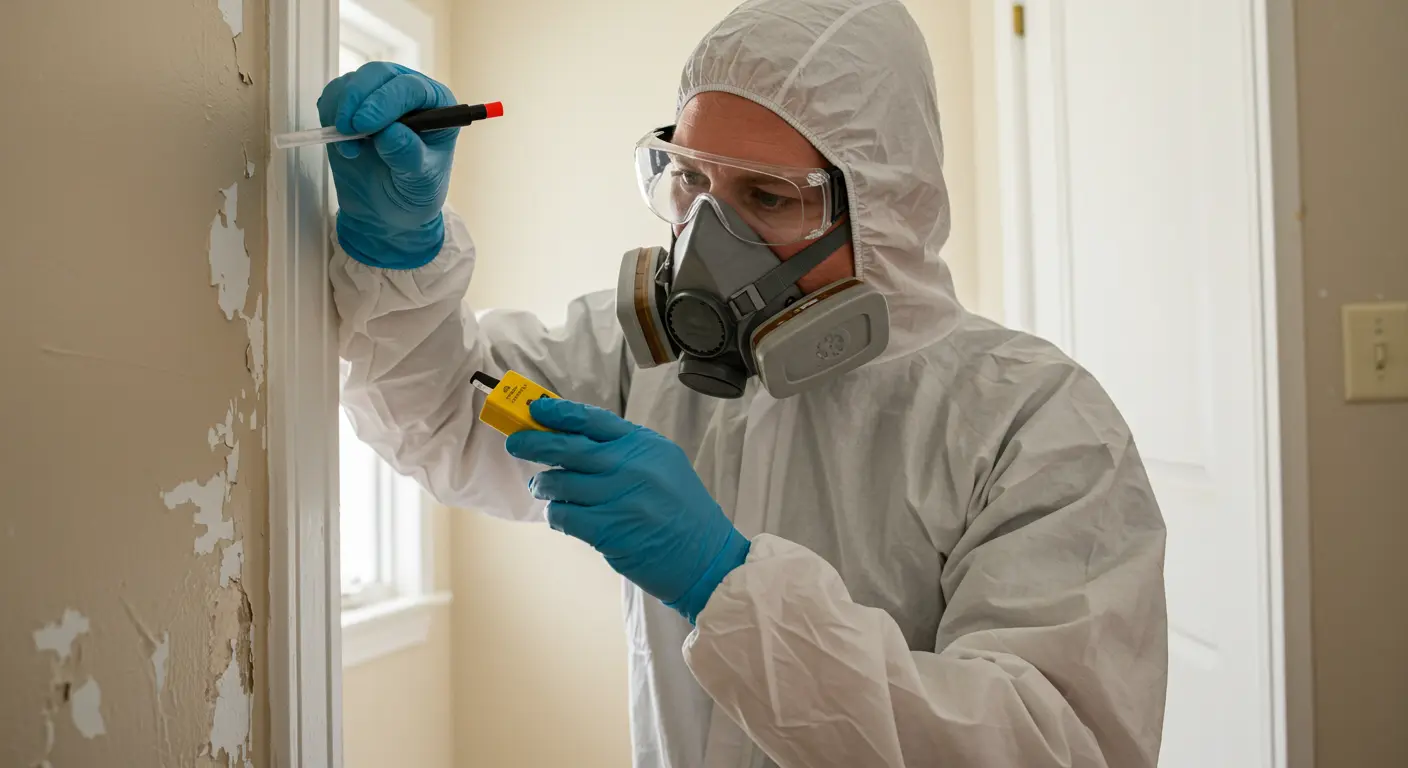
Every application starts with lead paint testing. HPD requires an EPA-certified lead inspector or risk assessor to do this testing. The inspector must follow federal testing methods and use an XRF analyzer, which measures the amount of lead in the paint. Tests by a handyman, a general contractor, or a home test kit will not count.
An XRF analyzer reads all the paint layers on a surface without scraping or drilling. Professional XRF lead testing covers doors, windows, trim, walls, and radiators one by one. The inspector then gives you a report that marks each surface as positive or negative.
Testing Must Follow the 0.5 mg/cm² Standard
NYC housing authorities changed the definition of lead-based paint on December 1, 2021. Paint now counts as lead-based at 0.5 milligrams of lead per square centimeter, down from the older level of 1.0. HPD reviews all new lead-free applications under this lower definition. HPD's notice on the new definition explains the change in detail. Your inspector must also use an XRF device approved to test at the 0.5 level. At Manhattan Lead, our inspectors record each reading in the format HPD expects. This saves you from paying for a second round of testing later.
Step 2: Remove Any Lead Paint Found in Testing
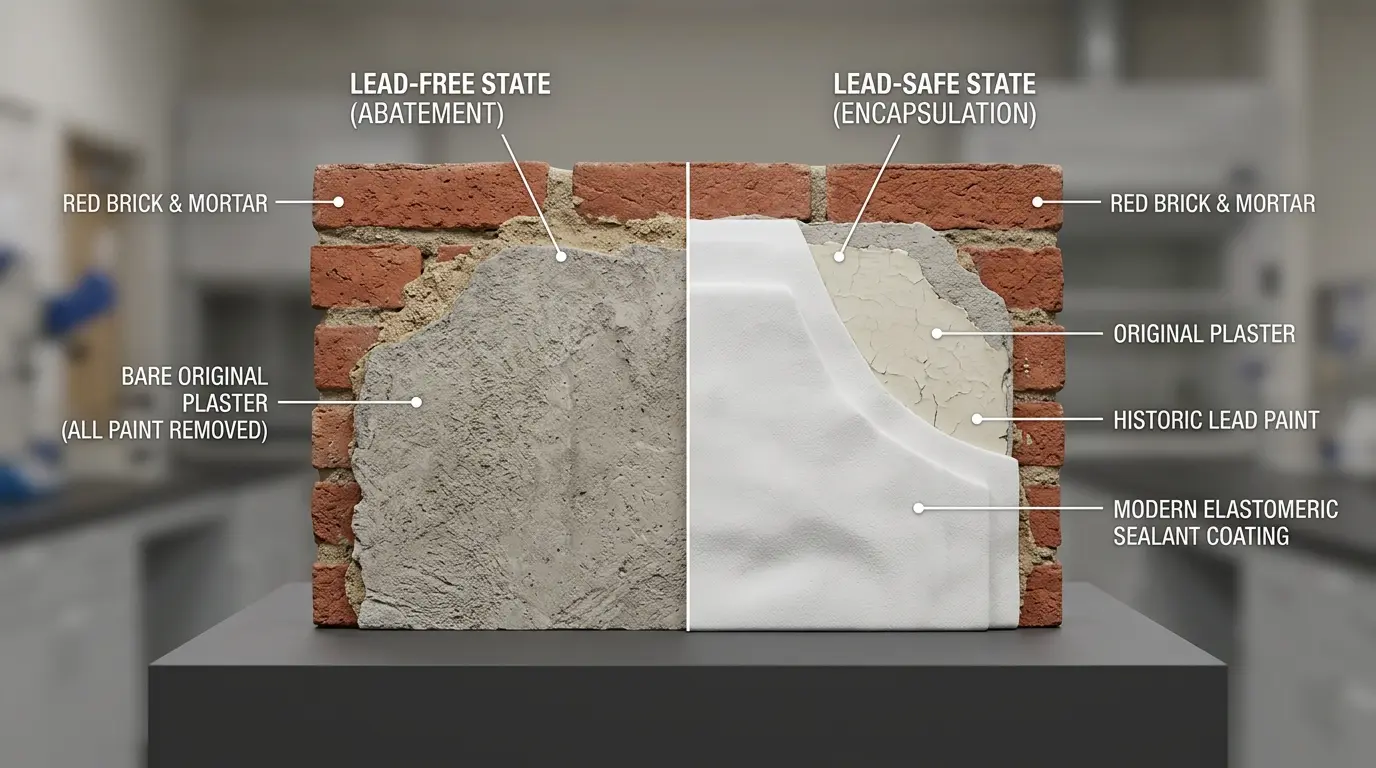
Owners with no positive surfaces in their report can move to the paperwork right away. Most prewar buildings, however, have a few positive surfaces, often on window sills, door frames, and old trim. For a Lead-Free exemption, HPD accepts permanent removal only, done by an EPA-certified lead abatement firm. Covering the paint with a coating or sheetrock leads to a different exemption type with yearly checks, so it will not work here.
Owners usually pick one of two removal methods:
Stripping | Replacing | |
What the crew does | Removes the lead paint and keeps the original part | Takes out the painted part and installs a new one |
Dust and cleanup | Creates more dust, which needs careful cleanup | Creates less dust, since the part leaves in one piece |
Time on site | Takes longer on surfaces with many paint layers | Often faster for windows and doors |
Cost | Lower material cost, but more labor | Higher cost for new parts, but less labor |
Best for | Walls, built-in trim, and historic details you want to keep | Old windows, doors, and radiator covers |
Certified lead abatement crews follow lead-safe work practices for both methods, which keeps dust out of hallways and nearby apartments. HPD's exemption FAQ also states that the abatement firm must provide its own documents for your application.
Step 3: Pass Dust Wipe Clearance After Removal
Removing lead paint creates fine dust that can stay on floors and window sills after the work ends. Dust wipe clearance test checks whether the area is safe for tenants again. During this test, an EPA-certified inspector or risk assessor wipes the floors, window sills, and window wells in the work area. Lab technicians then measure the lead in each sample and compare the results to NYC limits.
These limits have become stricter over time, since HPD has lowered the allowed amount of lead in dust step by step since 2019. Samples above the limit mean the crew must clean the area again, and the lab must run new tests. Each extra round adds fees and keeps tenants out of the space for more days. Keep the clearance report once the unit passes the dust wipe test. HPD needs this report as proof that the removal work left the unit safe.
Step 4: Gather Your Reports and Notarized Affidavits
HPD checks every document against its instructions, and a single missing signature can lead HPD to return your file. Collect these documents before you apply:
The current HPD Application for Exemption, signed by the owner and notarized
Full XRF report showing every positive and negative surface
Notarized affidavit from the EPA-certified inspector or risk assessor
Removal records and a notarized affidavit from the EPA-certified abatement firm, for any positive surface
Dust wipe clearance report from the lab
Proof of EPA certification for the inspector and the abatement firm
Your inspector's affidavit matters as much as your own signature. Manhattan Lead prepares this affidavit along with every testing report, which saves you from chasing paperwork. HPD accepts only the current version of the application and affidavits. Older forms, such as the 2017 version, are no longer valid, even for owners who started the process years ago.
Step 5: Submit Your Application Through HPD's Online Portal
HPD used to accept exemption applications by mail or in person only. Owners now file through HPD's Lead Exemption Online Portal, where you choose what your application covers and upload each document. HPD accepts applications for one apartment, one building, or one apartment complex. A complex means several buildings built at the same time under the same management.
Can You Refile an Exemption From the Old Standard?
Owners who got an exemption under the old 1.0 mg/cm² level need new testing. Their exemption ended when the apartment gets a new tenant after December 1, 2021. Owners must also inform HPD about this tenant change, as explained in HPD's March 2022 bulletin. Testing the apartment before the tenant moves out helps you apply again without delay.
Common Reasons HPD Rejects Lead-Free Exemption Applications
Small mistakes cause many rejected applications. Knowing these mistakes early protects the money you spend on testing and removal.
Testing at the Old Standard
Reports made with an XRF device set to the 1.0 mg/cm² level do not match the current definition of lead-based paint. HPD reviews new applications against the 0.5 standard and rejects outdated testing.
Covered Paint Instead of Removed Paint
Lead Free status requires permanent removal. An application that includes covered or enclosed lead paint cannot receive Lead Free approval. This rule applies even when the owner removed every other positive surface.
Missing Signatures or Old Forms
An unsigned affidavit, a missing notary stamp, or an old application form can delay your approval. Check that your inspector and abatement firm have signed and notarized their affidavits before you submit.
Violations After the Testing Date
Lead paint violations from HPD or Health Department in order to abate can block your approval. Both can also cancel an exemption after HPD grants it.
Missing Surfaces in the Report
Report that skip rooms, parts, or shared spaces does not prove that every surface is clean. Your report should list each tested surface along with its reading.
Eligibility Criteria for a Lead-Free Exemption: Who Can Apply
This application process is for buildings under NYC’s lead paint presumption. Local Law covers buildings with three or more apartments built before January 1, 1960. It applies when a child under six lives in the apartment or spends 10 or more hours there each week. Owners of buildings built before 1978 face the same duties when they know lead-based paint is present.
Your property can qualify for a Lead Free exemption when:
An EPA-certified inspector or risk assessor tested every surface at the 0.5 mg/cm² standard
Every surface tested negative, or a certified firm removed every positive surface
The work area passed dust wipe clearance after removal
HPD or the Health Department issued no lead violation or order after the testing date
You submit a signed, notarized application with all contractor affidavits
Applying for Each Unit or the Whole Building
Building-wide applications allow the inspector to test a sample of apartments using a HUD-approved method. This lowers your testing cost. However, HPD can cancel the exemption for every unit in the application when it later finds lead in one apartment. You would then need to repeat the sampling to apply again. Applying for each apartment costs more at first, but a problem in one unit does not affect the others.
How Manhattan Lead Helps You Apply for Lead Free Exemption in NYC
You keep paying for lead notices, inspections, and turnover work every month until HPD approves your exemption. Missing affidavits or outdated XRF reports can delay your approval by months. During this time, your building can still receive HPD violations.
Manhattan Lead's EPA-certified inspectors handle every testing step your application needs. Our XRF testing follows the 0.5 mg/cm² standard. For unclear readings, we take paint chip samples for lab analysis. After abatement, our team runs dust wipe clearance tests. We also prepare HPD-ready reports and the inspector affidavits your application requires. Manhattan Lead is bonded and insured and serves all five boroughs. Over 1,750 customers across New York City have worked with us.
Contact our lead inspection team today and book the XRF testing your exemption application needs.