A tenant moves out, and most owners want the apartment cleaned, painted, and rented again as soon as possible. In older New York City buildings, though, that vacancy comes with legal duties that must be handled before anyone new signs a lease. Skipping them can lead to serious violations and audits later.
When it comes to lead paint in a vacant apartment in NYC, the rules are clear. Before a new tenant moves in, owners must repair peeling paint and the defects behind it. They must also remove lead paint from door and window friction surfaces and make floors and sills smooth and cleanable. The unit then needs to pass independent dust wipe clearance testing after the work is complete.
What Is an Apartment Turnover?
HPD defines a turnover as any time an apartment becomes vacant and a new tenant will move in. The rules apply even if the new tenant has no children under six. This is an important point, since many owners assume lead paint work is only required for families with young kids. All turnover work must be finished before the new tenant takes occupancy, and owners must certify that it was done when the lease is signed.
Which NYC Apartments Must Follow Turnover Rules
Turnover requirements do not apply to every building in the city. They focus on older housing, where lead paint is most likely to be present. Below are the units that must follow the rules:
Buildings Built Before 1960: Every apartment in a multiple dwelling built before January 1, 1960, is covered.
Buildings Built From 1960 to 1978 With Known Lead Paint: These units are covered when the owner knows lead paint is present.
Units Without a Valid Lead-Free Exemption: Apartments that have not been tested and certified free of lead paint under the current standard must follow the rules.
Most prewar and many postwar NYC buildings fall into at least one of these groups. If your building was built before 1960, it is safest to assume the turnover rules apply until testing proves otherwise.
Lead Paint Work Required in a Vacant Apartment
These rules exist for a clear reason. In 2024, 4,655 New York City children under six were identified with elevated blood lead levels, and the Health Department reports that lead-based paint hazards remain the most commonly identified source of exposure. The following work must be completed before a new tenant moves in.
Fix Peeling Paint and Underlying Defects
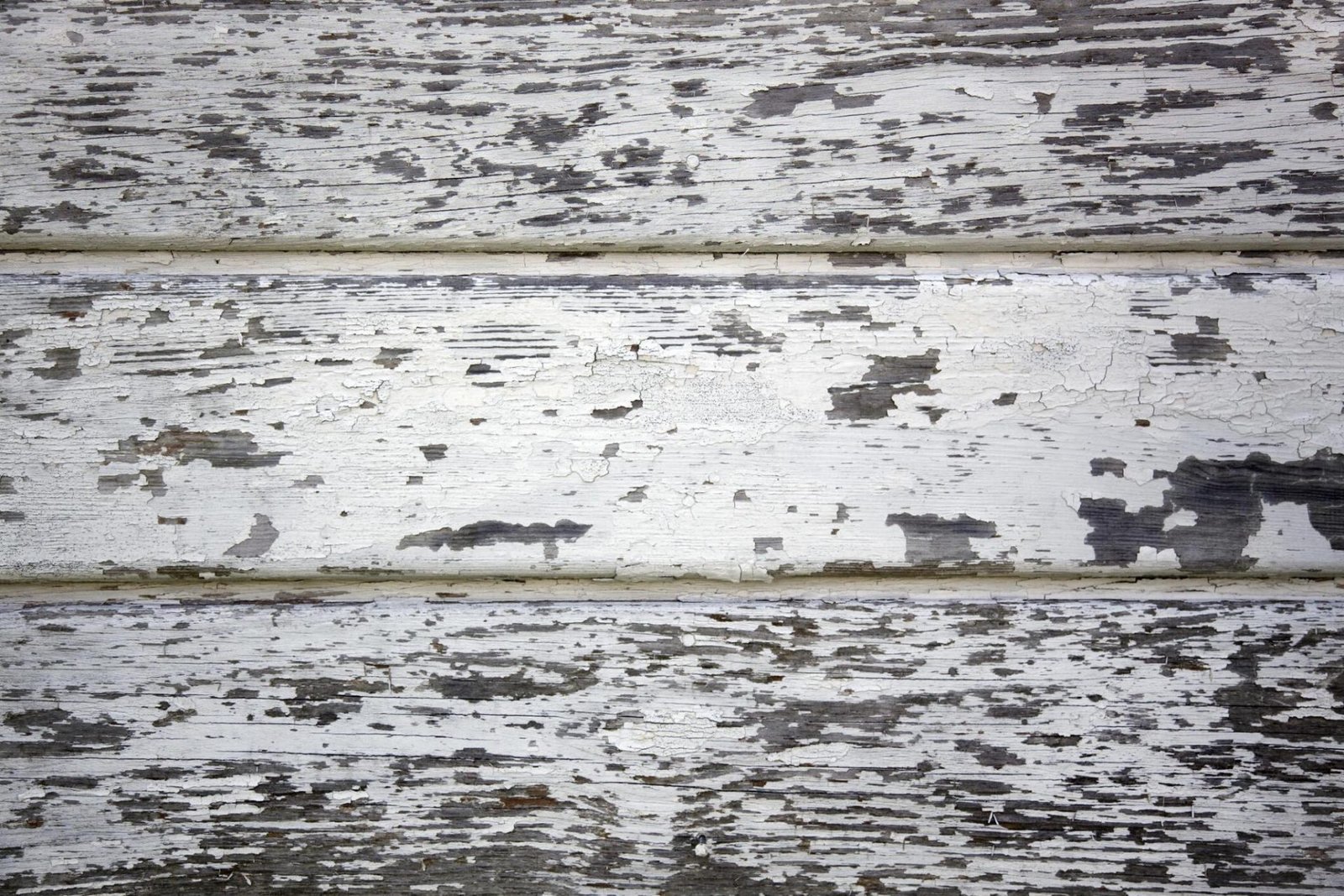
All peeling paint in the apartment must be corrected, along with the problems that caused it. Leaks, water damage, and damaged plaster often sit behind peeling paint, and simply painting over them allows the damage to return.
At a minimum, HPD expects peeling surfaces to be wet scraped and repainted. Any underlying defect, such as a leaking pipe or a damp wall, must be repaired first. This keeps the new paint intact and prevents lead dust from forming again.
Address Chewable Surfaces
Young children sometimes chew on painted edges like windowsills and railings. Any surface with visible bite marks needs attention before the unit can be rented. Owners have two options:
Remove the lead paint from the surface
Cover it with an approved, hard, puncture-resistant encapsulant
Encapsulation must be done by certified contractors using approved products. Ordinary paint does not count as an encapsulant, even if it looks fresh and smooth.
Abate Door and Window Friction Surfaces
Friction surfaces are the parts of doors and windows that rub together when they open and close. This movement wears down old paint and releases fine lead dust, often without any visible peeling.
For this reason, HPD requires owners to remove lead paint from door and window friction surfaces even if the paint looks intact. This includes window sashes, window frames, and door frames. In some cases, the most practical solution is to replace the door, the frame, or the window channels entirely. Surfaces that were already abated at an earlier turnover do not need to be redone.
Make Floors, Windowsills, and Window Wells Smooth and Cleanable
Lead dust settles on horizontal surfaces, so these areas must be easy to wipe clean. Bare floors, windowsills, and window wells should be free of cracks, gaps, and rough spots that trap dust.
Common fixes include sealing or refinishing worn wood floors and covering damaged sills with smooth, durable materials. These upgrades also make it far easier for the unit to pass dust wipe clearance after the work is done.
Safe Work Practices for Turnover Work
Lead paint work can create more dust than it removes if it is done the wrong way. Scraping, sanding, or cutting painted surfaces releases fine particles that settle on floors and sills and are hard to see. This is why NYC requires owners to follow safe work practices whenever painted surfaces are disturbed, even in an empty apartment.
The rules also cover who can do the work. Abatement of friction surfaces must be handled by EPA-certified firms and trained workers, while general repairs that disturb paint must follow lead-safe methods. The core requirements include:
Certified Contractors: EPA-certified firms handle abatement work, and their certifications must be kept on file.
Wet Methods Only: Surfaces are misted before scraping or sanding to keep dust from spreading.
No Prohibited Methods: Dry scraping, open-flame burning, and power sanding without HEPA attachments are not allowed.
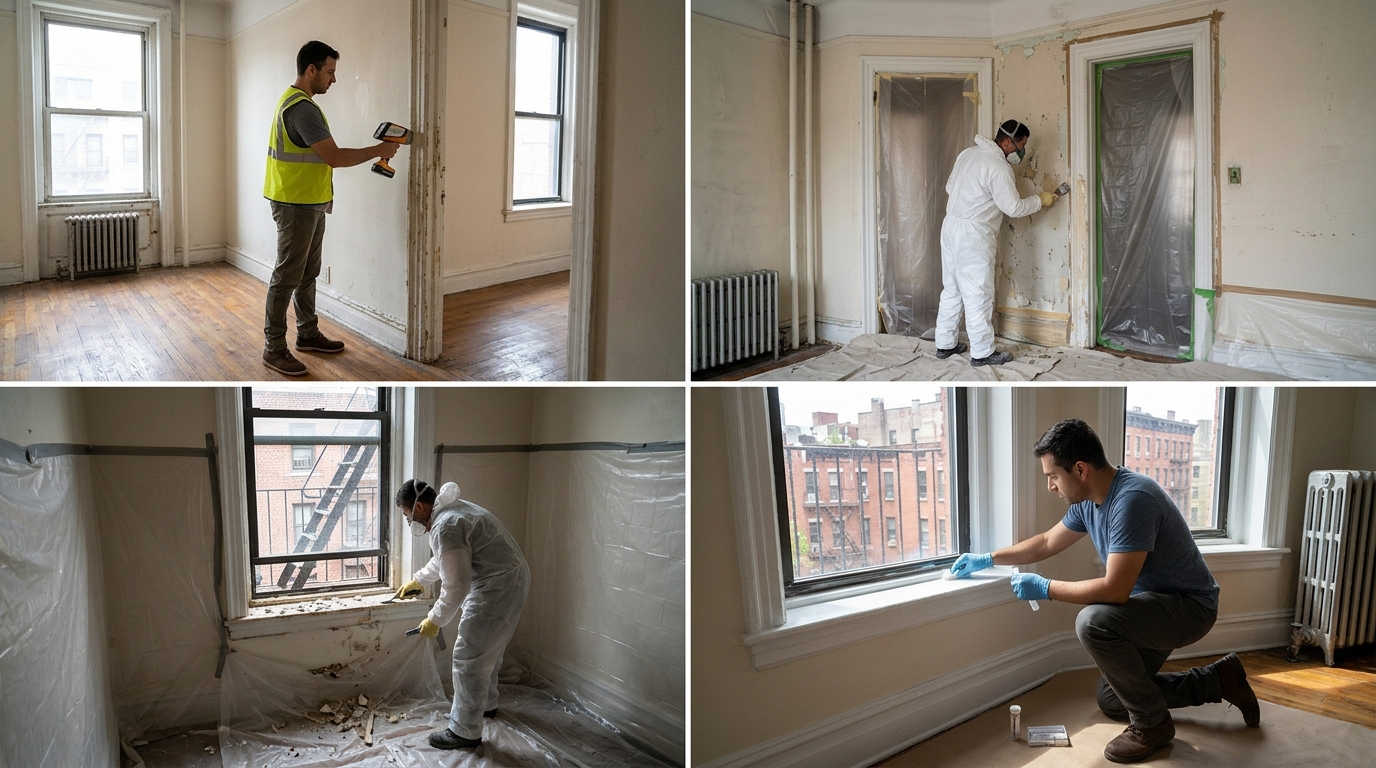
Proper Containment: The work area is sealed with plastic sheeting, and doors and vents are covered.
Daily and Final Cleanup: Debris is bagged and removed, then surfaces are HEPA vacuumed and wet wiped.
These steps keep lead dust from spreading into hallways and neighboring units, which matters in buildings where other tenants still live. They also protect workers and make the final clearance test far more likely to pass on the first try.
Dust Wipe Clearance Testing Before Move-In
After the turnover work and final cleanup are complete, the apartment must pass dust wipe clearance testing. This testing must be performed by a certified firm that is independent of both the owner and the contractor who did the work. The samples are then analyzed by a laboratory certified by New York State.
If the results come back above the allowed dust levels, the unit must be cleaned again and retested. The new tenant cannot move in until the apartment passes. Our team at Manhattan Lead performs independent dust wipe clearance for lead paint in a vacant apartment in NYC, so your results are lab verified and ready for your records.
Call us at (212) 226-1614 once the contractor finishes, and we will schedule clearance around your move-in date.
When Turnover Work Is Not Required
Some units can avoid turnover work entirely. If an EPA-certified inspector uses XRF testing and finds no lead-based paint at or above the current standard of 0.5 mg/cm², the owner can apply to HPD for a lead-free exemption. Once granted, the unit no longer needs turnover work.
Older exemptions need extra care. Exemptions granted under the previous 1.0 mg/cm² standard are automatically revoked at the next turnover, even if the owner does not notify HPD. For any lead paint in a vacant apartment in NYC covered by an old exemption, new XRF testing is the only way to confirm the unit still qualifies.
Records and Notices Owners Must Keep
Turnover compliance is not complete until the paperwork is in order. Owners should keep these documents for every vacancy:
Lease Notice Certification: Owners certify that turnover work was completed on the Lease/Commencement of Occupancy Notice given to the new tenant.
Lead Paint Hazards Pamphlet: A copy of the city's lead paint pamphlet must be provided with the lease.
Work and Contractor Records: These include descriptions of the work, locations, and proof of contractor certification.
Clearance Test Results: Lab results from the independent dust wipe testing confirm the unit was safe before move-in.
HPD requires owners to keep turnover records for at least 10 years. Missing records can lead to violations during an audit, even if the work itself was done correctly.
Penalties for Missing Turnover Requirements
HPD takes turnover compliance seriously. The agency issued more than 3,600 violations for turnover in fiscal year 2025 based on inspections and audits. Failing to complete the work or keep the right records can result in Class C immediately hazardous violations.
These violations often surface long after the apartment was rented. When an HPD inspector finds lead paint hazards on door or window friction surfaces in an occupied unit, the agency can also issue a violation for the turnover work that was never done. Lead-based paint violations cannot be corrected through a simple online certification either. They require proper correction and documentation before HPD will close them.
The risk does not end with a single violation. Under Local Law 127, HPD now considers turnover violations when choosing which buildings to audit, and it must select at least 200 buildings each year for review. During an audit, owners must produce up to 10 years of records, and any gaps can lead to additional violations and civil penalties. Completing turnover work properly the first time is the best way to avoid fines, repeat inspections, and costly delays.
FAQs
Do turnover rules apply if the new tenant has no children?
Yes, HPD requires turnover work every time an apartment becomes vacant and a new tenant moves in, even if the new household has no children. The work must be finished before the new tenant takes occupancy.
Can a landlord paint over lead paint in a vacant apartment?
Painting alone does not meet turnover rules for friction surfaces on doors and windows. These surfaces must be abated through removal, permanent covering, or replacement, while peeling paint elsewhere must be repaired using safe work practices.
Who can perform dust wipe clearance testing in NYC?
Clearance testing must be done by an EPA-certified inspector or risk assessor who is independent of both the owner and the contractor who did the work. Samples must be analyzed by a laboratory certified by New York State.
Does a lead-free exemption remove the turnover requirements?
Yes, a valid lead-free exemption under the current 0.5 mg/cm² standard means turnover work is not required. However, exemptions granted under the older 1.0 mg/cm² standard are automatically revoked at the next turnover, so those units need new testing.
How long must owners keep turnover records?
HPD requires owners to keep turnover records for at least 10 years. This includes inspection reports, work documentation, contractor certifications, and clearance results, which HPD may request during a lead-based paint audit. Keeping them organized helps owners respond quickly.
The Bottom Line
A vacancy is the best time to deal with lead paint, since the unit is empty and the work can be done safely. Owners must repair peeling paint, address chewable surfaces, abate door and window friction surfaces, and make floors and sills smooth and cleanable. Following the rules for lead paint in a vacant apartment in NYC, including independent clearance and proper records, protects both your tenants and your building from costly violations.
Manhattan Lead Inspections is an independent inspection firm operating under EPA lead-based paint inspection firm license LBP-F239341-2. Our certified inspectors use the SciAps X550PB XRF analyzer to test painted surfaces without damage, and we provide lab-verified dust wipe clearance after turnover work. Owners across all five boroughs receive HPD-ready reports, and our team is available seven days a week to keep vacant units moving toward their next lease.
Before you hand over the keys to your next tenant, let Manhattan Lead confirm the unit is cleared and documented.