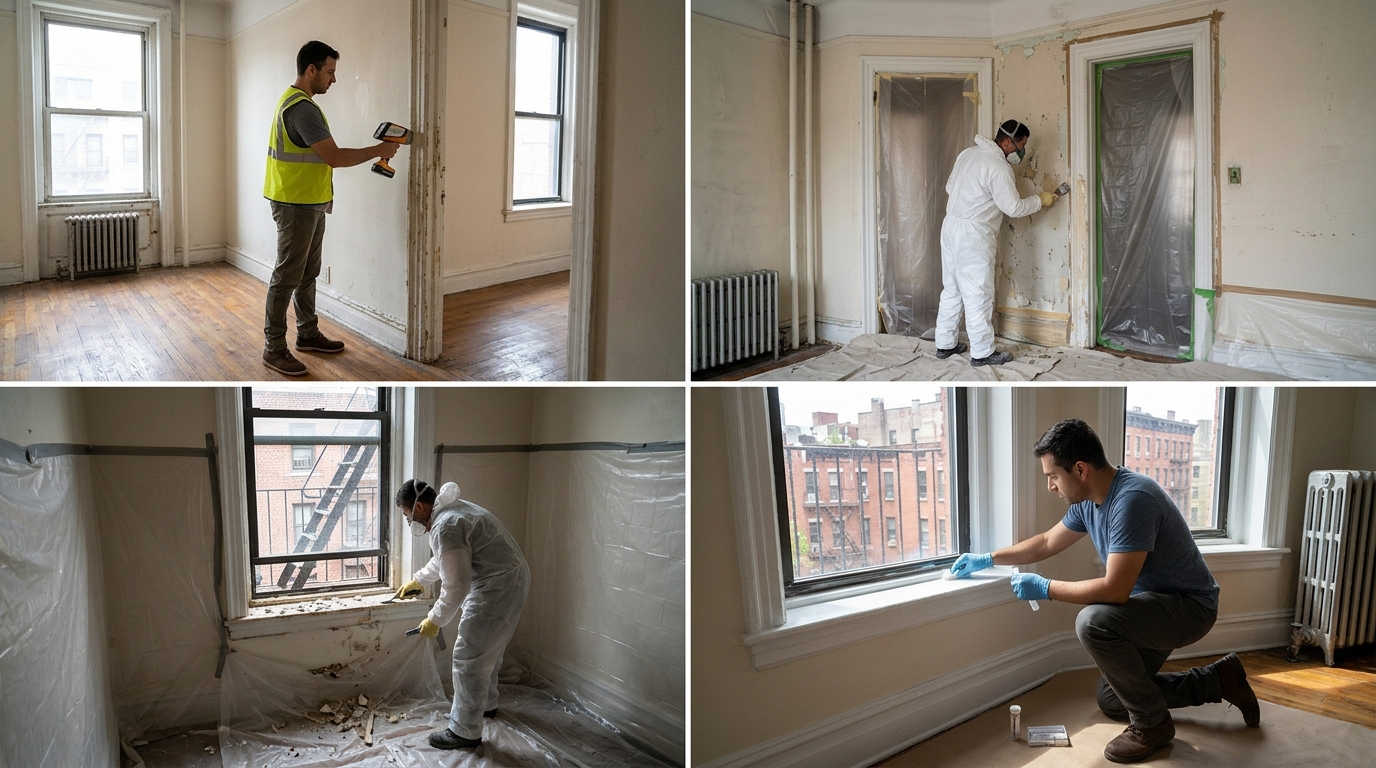
Every vacancy in an older New York City building comes with a short but important lead safety checklist. Under Local Law 1, the lead paint turnover requirements in NYC call for owners to correct lead paint hazards, abate door and window friction surfaces, make floors and sills smooth and cleanable, pass an independent dust clearance test, and certify compliance before the new tenant moves in. Skipping any step can lead to HPD violations, audits, and serious liability.
These rules have grown stricter over the past few years, and enforcement continues to expand. New dust clearance standards were adopted in 2026, older exemptions are being revoked at turnover, and HPD now uses turnover violations to choose which buildings to audit. Handling turnover correctly is the simplest way to make a unit lead safe while the apartment is empty and work can move quickly.
What Counts as a Rental Unit Turnover in NYC?
A turnover happens every time a covered unit becomes vacant and a new tenant is preparing to move in. The requirements apply to every new tenancy, with or without a child under six in the household, and all work must be finished before the new tenant takes occupancy.
HPD treats turnover as the best opportunity to address lead hazards because the apartment is empty, no one is exposed during the work, and access is not an issue. Similar abatement work is also now required in occupied units where a child under six lives, with a deadline of July 1, 2027, for children residing in the unit as of January 1, 2025.
Which NYC Rental Units Must Meet Turnover Requirements
Lead paint turnover requirements apply to rental units in multiple dwellings, which are NYC buildings with three or more apartments. A rental unit must meet these requirements when any of the following applies:
Buildings constructed before 1960
Buildings constructed from 1960 to 1978 when the owner knows lead-based paint is present
Units without a current Lead Free exemption
Units that hold a valid Lead Free exemption under today's 0.5 mg/cm² standard do not need turnover work. Exemptions granted under the older 1.0 mg/cm² standard, however, are automatically revoked at the first turnover after December 1, 2021, and owners must notify HPD by filing the Affidavit of Turnover in an Exempted Unit (AF-11).
Lead Paint Turnover Requirements NYC Landlords Must Complete
Local Law 1 sets out specific tasks that must be finished in each covered unit before a new lease begins. These are the core lead paint turnover requirements in NYC that every owner needs to plan for.
Repair Peeling Paint and Underlying Defects
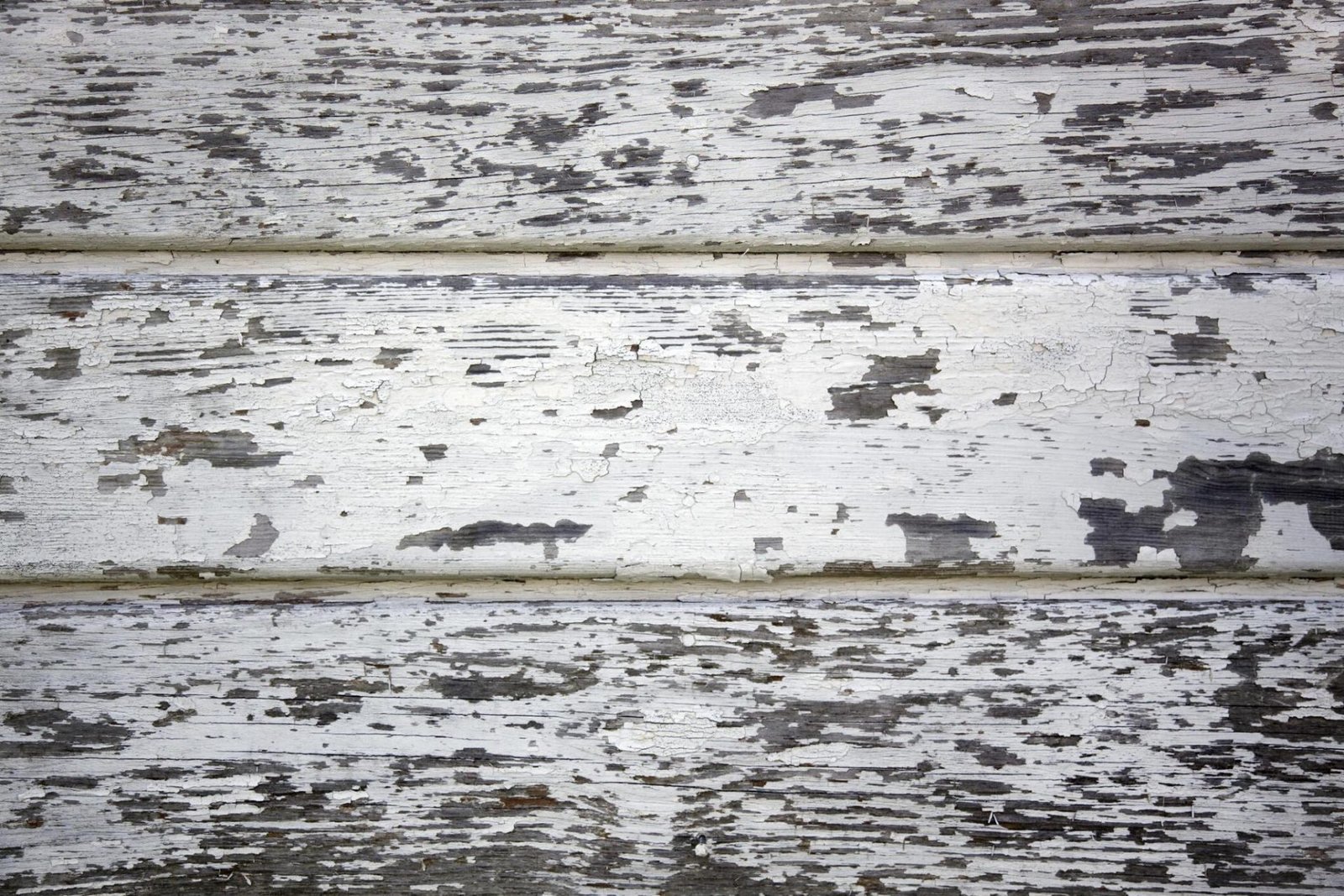
All peeling or deteriorated paint must be corrected, along with any underlying problem that caused it, such as a leak, moisture damage, or loose plaster. At a minimum, this means wet scraping and repainting the surface using safe work practices.
Fixing the cause matters as much as fixing the paint. A wall repainted over an active leak will peel again, creating a new hazard for the next tenant and a possible violation for the owner. Addressing the source first gives the repair a much better chance of lasting through the entire tenancy.
Address Chewable Surfaces
Chewable surfaces include protruding windowsills, railings, stair edges, and other surfaces a young child could put in their mouth. Lead paint on these areas is especially dangerous because a child can swallow paint directly.
When these surfaces show teeth marks, owners have two options:
Remove the lead-based paint completely
Apply an approved, hard, puncture-resistant encapsulant
Encapsulation must be performed by certified contractors using products approved for this purpose. Removal is often the more permanent choice for surfaces that see frequent contact.
Abate Door and Window Friction Surfaces
Friction surfaces are areas that rub together during normal use, such as window sashes in their frames and doors against their jambs. Every time they open and close, they can grind lead paint into fine dust that settles on floors and sills where children play.
At turnover, owners must remove or permanently cover lead-based paint on all door and window friction surfaces, even when the paint looks intact. Depending on the condition of the components, this can mean stripping the paint, installing new window channels, or replacing doors, frames, or windows entirely. Once these surfaces are properly abated and documented, the work generally does not need to be repeated at future turnovers.
Make Floors, Windowsills, and Window Wells Smooth and Cleanable
Bare floors, windowsills, and window wells must be smooth and cleanable at every turnover. Rough, cracked, or worn surfaces trap lead dust that ordinary cleaning cannot remove, and that dust can build up again over time.
Refinishing floors, repairing damaged sills, and sealing window wells make these surfaces easier for tenants to keep clean. This step also has a direct impact on compliance, since smooth surfaces help the unit pass dust clearance testing on the first attempt.
Use EPA-Certified Contractors and Safe Work Practices
Turnover work must be performed by appropriately certified firms and trained workers following Local Law 1 safe work practices. These practices are designed to keep lead dust from spreading beyond the work area and into hallways or neighboring units.
Contractors should follow these steps:
Containment: Seal off the work area with plastic sheeting to keep dust from spreading.
Wet Methods: Mist surfaces before scraping or sanding to reduce airborne dust.
Specialized Cleanup: Use HEPA vacuums and wet cleaning once work is complete.
Proper Disposal: Bag and remove all debris safely at the end of each day.
Unsafe work can leave a unit more contaminated than it was before the job began. Keeping copies of contractor certifications also protects you if HPD requests proof of compliance later.
Dust Clearance Testing After Turnover Work
Turnover work is not complete until dust clearance testing confirms the apartment is safe for the next tenant. The rules for who can test, and what results count as passing, are now stricter than ever.
Who Can Perform Clearance Testing
Clearance testing must be performed by a qualified third party who is independent of the owner and the contractor who did the work. Samples are collected from floors, windowsills, and window wells, then analyzed by an accredited laboratory.
Keeping testing independent removes any conflict of interest and gives HPD results it can trust. If you’re planning a turnover in the next few weeks, our team at Manhattan Lead Inspections provides independent dust wipe clearance testing across all five boroughs, with clear, HPD-ready reports.
Call (212) 226-1614 to schedule testing before your new lease begins.
New Lead Dust Clearance Thresholds
In September 2026, the NYC Board of Health adopted lower thresholds for lead-contaminated dust, which take effect in late 2026. Laboratories testing dust samples must also be accredited by both New York State ELAP and the EPA's National Lead Laboratory Accreditation Program (NLLAP).
Surface | Previous Threshold | New Threshold |
Floors | 5 µg/ft² | 4 µg/ft² |
Windowsills | 40 µg/ft² | 32 µg/ft² |
Window Wells | 100 µg/ft² | 80 µg/ft² |
Results at or above these levels count as lead-contaminated dust, so a unit must test below each threshold to pass. The tighter limits make thorough cleanup after turnover work more important than ever.
What Happens if a Unit Fails Clearance
When any sample comes back at or above the threshold, the affected areas must be cleaned again and retested. This cycle continues until every result falls below the limit, and the unit cannot be cleared for the new tenant until it does.
A failed test can delay move-in, so building time into the turnover schedule helps. Careful final cleaning by the contractor, with special attention to window wells and floor corners, reduces the chance of repeat testing.
Certifying Compliance and Keeping Turnover Records
Completing the work is only half of turnover compliance. Owners must also document every step and certify compliance to the new tenant through these records:
Lease/Commencement of Occupancy Notice: Certify completion of turnover work on this HPD form, provided with the lease and at each renewal.
Lead Paint Hazards in the Home Pamphlet: Give the new tenant a copy of the Health Department's lead safety pamphlet.
Turnover Inspection and Work Records: Keep detailed records of the inspection, work performed, and clearance results.
Contractor Certifications: Save proof that certified firms and workers completed the job.
10-Year Recordkeeping: Retain all turnover records for at least 10 years and share documentation with tenants on request.
Strong records are your best defense during an HPD audit. Without them, HPD may treat the work as never having been done.
Penalties for Missing Lead Paint Turnover Requirements
HPD enforces turnover rules through inspections and records audits. Depending on the issue, owners can receive Class B or Class C violations, including Order #623, which is issued for each unit when turnover documentation cannot be produced. Failing to complete required work or keep records can also lead to Class C immediately hazardous violations.
Missing paperwork causes more turnover violations than missing repairs. In FY2025, HPD issued more than 3,600 turnover violations, and 2,387 of them were for owners who could not provide documentation that turnover work was completed. Under Local Law 127 of 2023, buildings with turnover violations are also more likely to be selected for HPD's annual lead audits.
How XRF Testing Can Simplify Future Turnovers
XRF testing reads the lead content of every painted surface without scraping or damaging the paint. Local Law 31 required owners to test all units and common areas in pre-1960 buildings by August 2025, and units that test negative can qualify for a Lead Free exemption that removes the lead paint turnover requirements in NYC entirely.
Testing often reveals that a unit is safer than its building’s age suggests. When NYCHA XRF-tested 109,952 public housing apartments under today’s 0.5 mg/cm² standard, 54% tested negative for lead-based paint. Manhattan Lead Inspections EPA-certified inspectors perform XRF lead testing with the SciAps X550PB analyzer and help owners document results for Local Law 31 compliance and exemption applications.
FAQs
Do turnover requirements apply if the new tenant has no children?
Yes, turnover requirements apply every time a covered unit becomes vacant and a new tenant moves in, with or without a child under six. All required work and dust clearance must be completed before the new tenant takes occupancy.
Do intact window and door friction surfaces still need abatement?
Yes, HPD requires owners to abate lead-based paint on door and window friction surfaces even when the paint is intact. Once these surfaces are properly abated and documented, the work generally does not need to be repeated at future turnovers.
Who can perform dust clearance testing after turnover work?
Clearance testing must be performed by a qualified third party who is independent of the owner and the contractor who did the work. Samples are analyzed by a laboratory accredited by both New York State ELAP and EPA's NLLAP.
How long must landlords keep turnover records?
Owners must keep turnover inspection records, work documentation, contractor certifications, and dust clearance results for at least 10 years. HPD can request these records during audits, and missing documentation is one of the most common causes of turnover violations.
Does a Lead Free exemption remove turnover requirements?
A current Lead Free exemption granted under the 0.5 mg/cm² standard means the unit does not need turnover work. Exemptions issued under the older 1.0 mg/cm² standard are automatically revoked at the first turnover after December 1, 2021.
The Bottom Line
Meeting the lead paint turnover requirements in NYC protects your tenants, your building, and your compliance record. Before every new lease, correct lead hazards, abate door and window friction surfaces, make floors and sills smooth and cleanable, and pass an independent dust clearance test. Certify compliance on the lease notice and keep every record for at least 10 years. With stricter dust standards arriving and HPD audits expanding, a clear turnover process is the safest way to stay ahead.
Every vacancy is a chance to make a unit lead safe for good, and the right partner makes that process faster and easier to document. Manhattan Lead Inspections provides independent XRF testing, dust wipe clearance, and HPD violation support under EPA firm license LBP-F239341-2, backed by more than 15,000 XRF inspections and 3,000 clearance tests across all five boroughs. Our client portal keeps reports, properties, and HPD violations organized in one place, so your records are ready whenever HPD asks.
Turn your next vacancy into a fully documented, lead-safe unit. Call Manhattan Lead Inspections at (212) 226-1614 to book your turnover inspection.