What is Lead, and Why is it Harmful?
Lead is a naturally occurring heavy metal that has been widely used throughout history. Unfortunately, its toxicity poses a significant threat to human health. When ingested, lead accumulates in the body, particularly in bones and soft tissues. While it can affect everyone, lead is especially harmful to developing brains and nervous systems, making it particularly dangerous for children under the age of six and pregnant women.
How Does Lead Get into Our Drinking Water?
Though lead isn’t naturally found in water itself, it can leach into our drinking supply through several pathways:
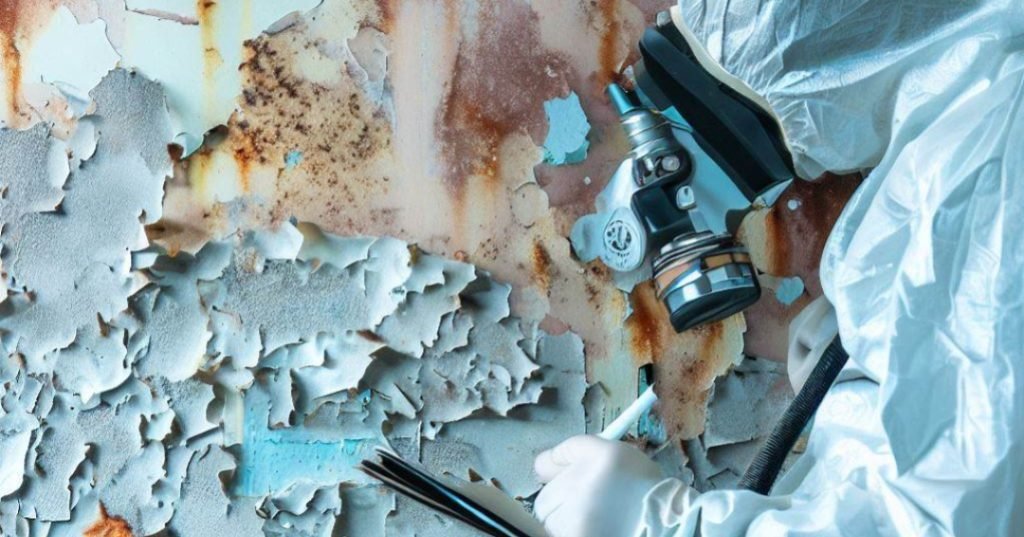
- Old Plumbing: Homes built before 1986 are more likely to have lead pipes, solder, and fixtures that can corrode and release lead into the water. Even newer homes could have lead contamination if connected to older municipal service lines.
- Corrosion: Certain water sources, like acidic water, can corrode even lead-free pipes, introducing lead particles into the water.
- Industrial Contamination: Past industrial practices and contaminated soil can contribute to lead infiltrating water sources.
How Does Lead Enter Our Bodies?
Once lead is present in drinking water, it can be readily absorbed into the bloodstream through ingestion. It can also be inhaled from dust containing lead particles or absorbed through the skin during activities like bathing. Unfortunately, the body cannot effectively eliminate lead, leading to its accumulation over time.
Also Read: How Can I Test My Drinking Water In NYC?
Who is Most at Risk from Lead Exposure?
While lead exposure is harmful to everyone, some groups are more vulnerable due to biological factors:
- Children under 6: Their developing brains and nervous systems are highly susceptible to lead’s neurotoxic effects, impacting cognitive development, learning, and behavior.
- Pregnant women and fetuses: Lead can cross the placenta, exposing the developing fetus to the metal’s detrimental effects on brain development and growth.
- Adults with chronic health conditions: Certain conditions like kidney disease can increase the risk of lead-related complications.
Don’t Wait, Test Your Water – Protect Yourself and Your Loved Ones
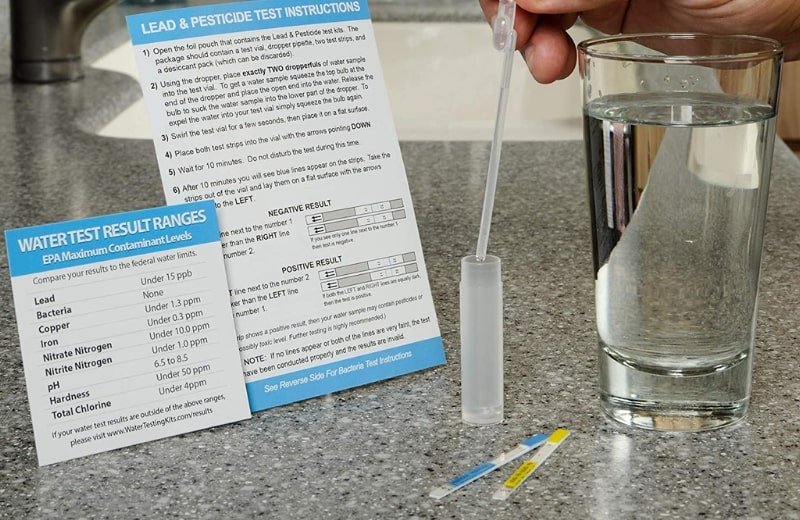
Lead contamination in drinking water may seem like an invisible threat, but knowledge is power. By understanding the dangers, identifying your risk, and acting, we can safeguard ourselves and our loved ones. Lead water testing, utilizing filtration systems, and advocating for improved infrastructure are crucial steps on this journey.
Remember, this isn’t just about individual action; it’s about collective responsibility. Let’s turn the tide on lead poisoning and secure the right to clean, safe drinking water for every American.
Do you think there’s lead present in the water that you’re drinking? Call Manhattan Lead, a lead inspection company so you are fully aware of the amount of lead present.