What happens when an NYC property is treated as having lead-based paint even when testing shows there may be none?
That legal presumption can affect how owners maintain, repair, renovate, and document the property. Lead paint exemption gives HPD evidence to remove that presumption for the approved apartment, building area, or common area.
For NYC property owners, the process starts with the right testing and ends with an HPD-approved exemption. The details matter, especially now that the city's 0.5 mg/cm² standard and Local Law 31 testing requirements are fully in effect.
What Is a Lead Paint Exemption in NYC?
A lead-based paint exemption is HPD's approval that removes the legal presumption that paint contains lead in the covered space. Exemption can apply to an apartment, common area, or other qualifying building scope when the owner provides the required evidence to HPD.
For properties covered by NYC's lead-paint rules, paint in certain older buildings is presumed to contain lead until testing or qualifying abatement establishes otherwise.
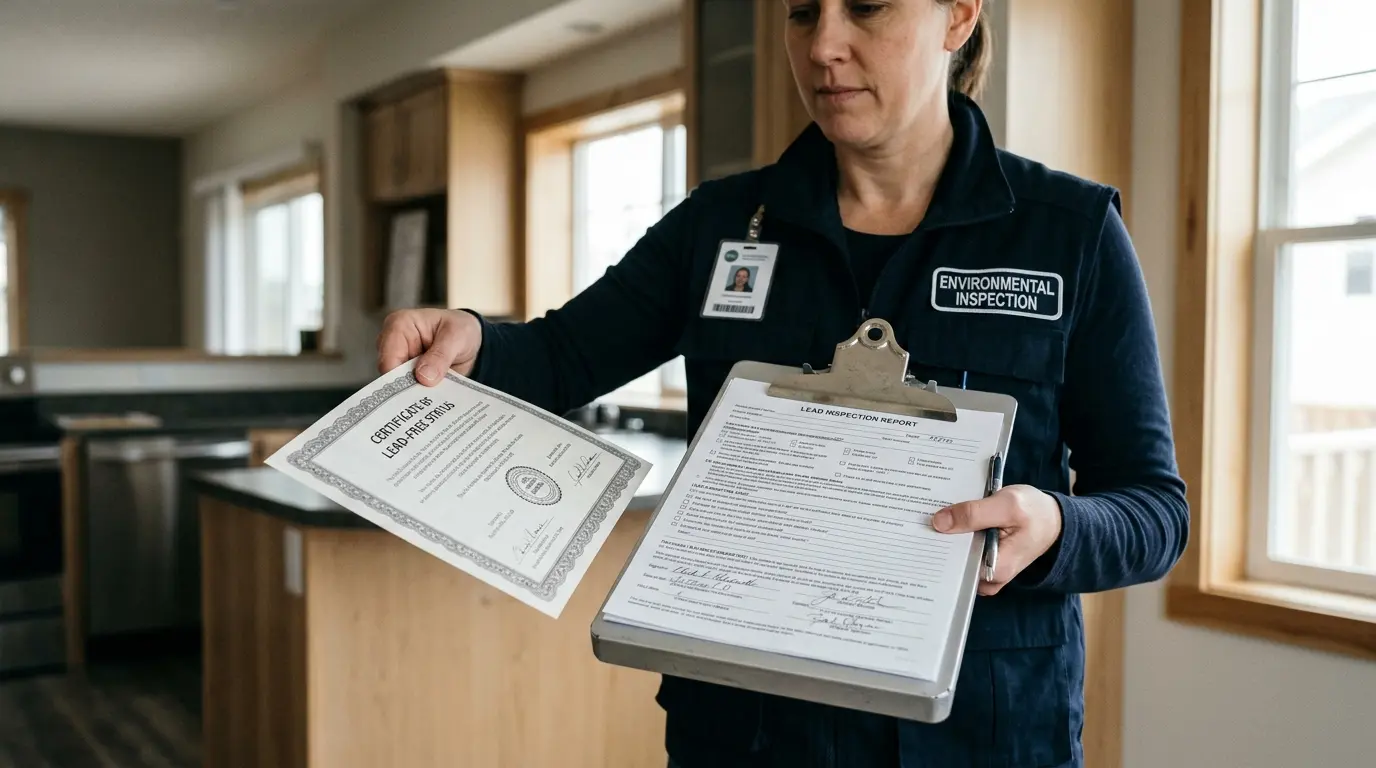
Getting an exemption does not simply mean an owner believes the property is lead-free. HPD must approve the exemption based on the required testing, documentation, and work.
Lead Paint Exemption at a Glance
Question | Answer |
Who grants the exemption? | NYC Department of Housing Preservation and Development (HPD) |
What does it do? | Removes the legal presumption of lead-based paint for the approved scope |
What are the main types? | Lead-Free and Lead-Safe |
How is paint tested? | XRF testing by a qualified EPA-certified inspector or risk assessor |
Current lead-paint threshold | 0.5 mg/cm² |
Where are applications filed? | HPD's Lead Exemption Online Portal (LEOP) |
How long should testing records be kept? | At least 10 years |
What happens to old 1.0 mg/cm² exemptions? | They generally remain until tenant turnover, then lose their exemption status |
That last point is especially important for owners who inherited older exemption records. A document showing an exemption does not automatically mean the exemption remains valid today.
Why Does a Lead Paint Exemption Matter?
An exemption can change the compliance obligations attached to the covered space. Once HPD approves an exemption, certain Local Law 1 requirements tied to the presumption of lead-based paint no longer apply to that exempted scope, depending on the type of exemption.
Property owners also gain a clear HPD record showing why the covered space is exempt rather than relying on an informal statement that the paint was tested years ago. For a building owner, that distinction can matter during maintenance, inspections, tenant turnover, record reviews, and future compliance work.
Who Needs to Pay Attention to NYC Lead Paint Rules?
Local Law 1 applies to several categories of residential property, with the exact requirements depending on the building, unit, occupancy, and lead-paint conditions.
The rules generally cover:
Multiple dwellings built before 1960
Certain rental buildings built from 1960 through 1978 when the owner knows lead-based paint is present
Tenant-occupied units in private dwellings built before 1960
Certain non-owner-occupied cooperative and condominium dwelling units
Paint-testing requirements can apply regardless of whether a child under six currently lives in the unit. Additional lead-hazard requirements apply when a child under six routinely spends at least 10 hours per week in a dwelling unit. Building age alone, however, does not tell you whether a particular property qualifies for an exemption. Property's use, ownership, testing history, lead-paint findings, and available documentation all matter.
What Changed With NYC's 0.5 mg/cm² Lead Standard?
NYC lowered its legal definition of lead-based paint from 1.0 mg/cm² to 0.5 mg/cm² effective December 1, 2021. That change made the testing threshold more stringent and affected how exemptions and turnover requirements are handled.
Today, exemption applications rely on testing at the 0.5 mg/cm² action level using an XRF instrument with an approved Performance Characteristic Sheet. Older records therefore need careful review. A previous exemption based on the former 1.0 mg/cm² standard does not have the same status as a current 0.5 mg/cm² exemption.
What Is the Difference Between Lead-Free and Lead-Safe?
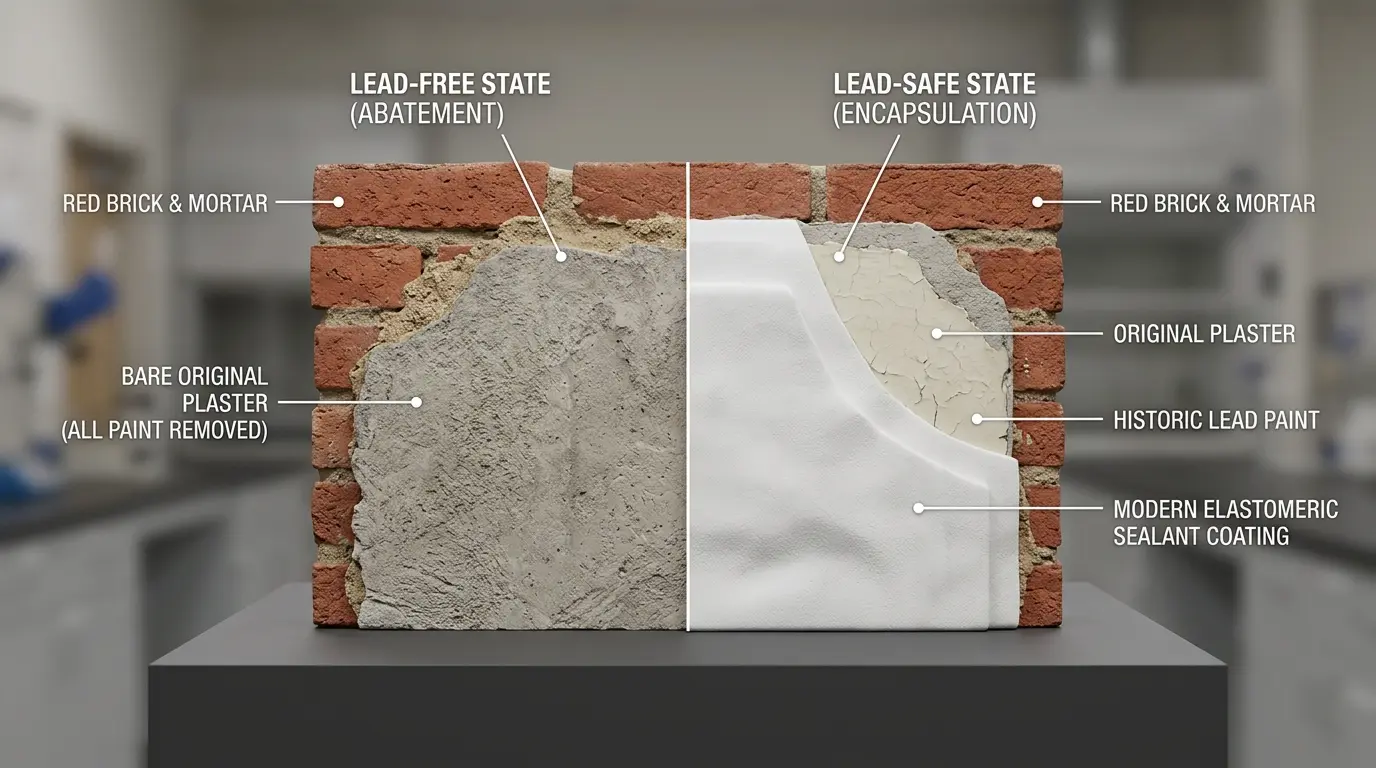
Lead-Free exemption is generally used when testing establishes that the covered space does not contain lead-based paint under the current standard. This also says that the qualifying lead-based paint has been permanently removed in accordance with the applicable requirements.
Lead-Safe exemption applies in situations where lead-based paint was identified but the owner completed qualifying work, such as permanent containment or encapsulation where permitted.
Lead-Free | Lead-Safe |
Based on qualifying testing and/or permanent removal | May involve qualifying containment or encapsulation |
The goal is to establish that lead-based paint is not present under the applicable standard | The goal is to make the covered condition compliant without claiming all lead paint was removed |
Usually provides fewer ongoing lead-related obligations for the exempted space | Requirements depend on the approved work and exemption scope |
Requires supporting testing and documentation | Requires testing plus documentation of qualifying work |
Does Every Older NYC Building Qualify for a Lead Paint Exemption?
Every building does not automatically qualify for lead paint exemption. Building age makes a property subject to certain lead-paint rules, but an exemption still requires evidence that meets HPD's requirements. Owners of qualifying properties may seek an exemption when testing establishes the required condition or when qualifying lead abatement or encapsulation has been completed.
Individual apartments, common areas, or broader building scopes can have different exemption requirements, so the application should match the actual area tested and the documentation available.
What Is the NYC Lead Paint Testing Requirement?
Local Law 31 required XRF testing of painted surfaces in covered apartments and common areas. For properties subject to the requirement, the major August 9, 2025 deadline has now passed.
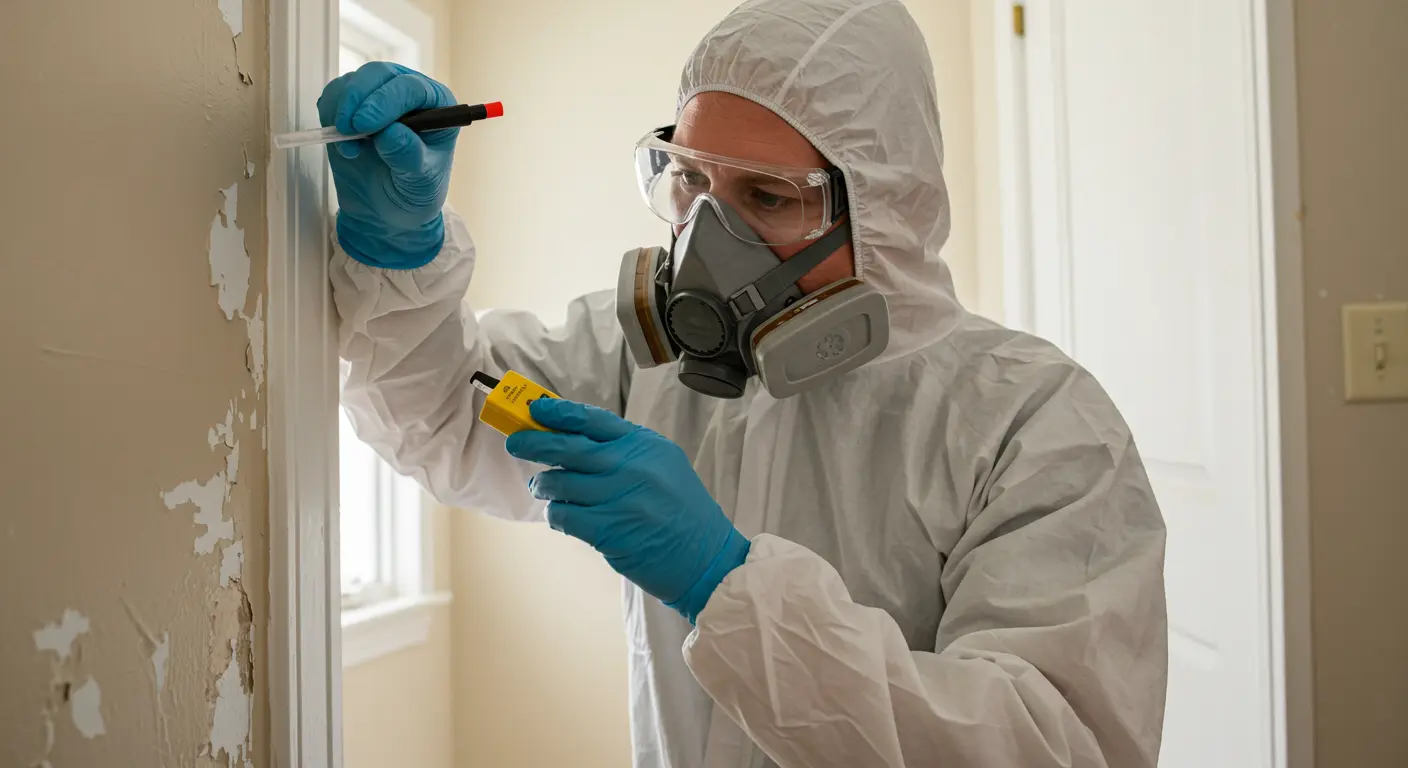
HPD states that property owners of covered pre-1960 buildings were required to complete testing by August 9, 2025. The requirement also applies to certain rental buildings built between 1960 and 1978 when the owner knows lead-based paint is present. Testing must be performed by an EPA-certified lead-based paint inspector or risk assessor who is independent of the owner and any firm hired to perform lead remediation. The XRF equipment must be appropriate for the applicable testing standard, including the 0.5 mg/cm² action level used for current exemption applications.
How to Apply for a Lead Paint Exemption in NYC
Getting the exemption is more than submitting an XRF report. HPD needs evidence showing that the property meets the requirements for the exemption being requested.
1. Determine Whether the Property Is Covered
Start with the building's construction date, property type, occupancy, and applicable Local Law 1 requirements. That information determines which lead-paint rules apply.
2. Complete the Required Testing
Hire an EPA-certified inspector or risk assessor who meets HPD's independence requirements. Testing for a current exemption should use the applicable 0.5 mg/cm² standard and an approved PCS.
3. Review the Results
Negative results may support a Lead-Free exemption. Positive findings may require qualifying abatement, permanent removal, containment, or encapsulation before an exemption can be approved.
4. Complete the Required Documentation
HPD may require testing affidavits, abatement documentation, ownership documents, encapsulation affidavits, or other records depending on the property and the work performed.
5. Submit the Application Through LEOP
HPD's Lead Exemption Online Portal, known as LEOP, is the current online system for submitting exemption applications. HPD has also reduced the number of documents applicants need to upload for certain applications.
6. Wait for HPD Review
HPD reviews the submitted evidence before granting the exemption. Approval applies to the scope covered by the exemption, so owners should not assume that approval for one apartment automatically covers other units or common areas.
What Documents Are Needed for a Lead Paint Exemption?
The exact documents depend on what testing found and whether remediation was necessary. Common documentation can include:
Lead Testing Affidavit
Lead-Free No Abatement Affidavit
Lead Abatement Firm Affidavit
Lead-Free Abatement Affidavit
Encapsulation Affidavit
Lead-Safe Containment Affidavit
Lead-Safe Encapsulation Affidavit
Ownership documentation for certain properties
HPD's current requirements vary by application type, so submitting the wrong paperwork can slow the process or leave the application incomplete.
What Are the Benefits of an Approved Lead Paint Exemption?
For a qualifying property, an approved exemption can provide several practical advantages:
Removes the legal presumption of lead-based paint for the approved scope
Reduces certain Local Law 1 requirements for the exempted space
Can eliminate applicable turnover requirements for a current Lead-Free exemption
Creates an official HPD record of the property's exemption
Clarifies the property's lead-paint status for future compliance work
Reduces uncertainty when maintaining or managing the covered space
The benefit is not simply having another document in the property file. A properly approved exemption can change the compliance obligations attached to the space.
Common Lead Paint Exemption Mistakes NYC Property Owners Make
Several assumptions can create problems even when an owner has already paid for testing.
Mistake 1: Assuming an Old Exemption Is Still Valid
An exemption issued under the old 1.0 mg/cm² standard may lose its status when the unit turns over.
Mistake 2: Treating an XRF Report as the Exemption
Testing provides evidence. HPD approval creates the exemption. An inspection report by itself is not the same thing as an approved HPD exemption.
Mistake 3: Testing With the Wrong Standard
Current exemption applications require testing at the applicable 0.5 mg/cm² action level using an approved PCS.
Mistake 4: Assuming One Exemption Covers Everything
Approval for one apartment does not automatically establish exemption status for every apartment and common area in the building.
Mistake 5: Assuming Every Lead-Positive Surface Can Be Encapsulated
Encapsulation is not permitted for every surface or circumstance. The appropriate corrective method depends on the specific condition and applicable requirements.
What Should You Do If Your Property Missed the 2025 Testing Deadline?
Start with the property's current compliance status rather than assuming the deadline means the issue is closed. Review whether the required XRF testing was completed, whether the inspector met the applicable qualifications, what the testing found, and whether the records are complete.
Owners with qualifying negative results or completed lead-abatement work can then evaluate whether an HPD exemption application is appropriate. HPD continues to encourage owners to file for exemptions based on qualifying testing and documentation.
Need Help Determining Whether Your Property Qualifies?
Not sure if your property qualifies for a lead paint exemption? The answer depends on more than the building’s age. Occupancy, previous testing, XRF results, exemption records, turnover history, and past remediation can all affect your property’s status.
At Manhattan Lead Inspections, we help NYC property owners make sense of their lead compliance requirements and identify what needs to be addressed before an exemption application moves forward. We can also help you organize the records and documentation needed for the process.
Start by reviewing your existing records and confirming whether your property has a current HPD exemption. If testing is required, an EPA-certified inspector or risk assessor can determine the condition of the property and provide the necessary results.
Don’t wait until missing records or an outdated exemption creates a compliance problem. Get your property’s lead status reviewed now and know exactly what needs to be done next.
Frequently Asked Questions
What is a lead paint exemption in NYC?
A lead paint exemption is HPD approval that removes the legal presumption that paint contains lead-based paint for the approved apartment, building area, or common area. The exemption is based on required testing and documentation.
What are the two types of lead paint exemptions?
NYC recognizes Lead-Free and Lead-Safe exemptions. A Lead-Free exemption generally relates to qualifying conditions showing that lead-based paint is not present under the applicable standard, while a Lead-Safe exemption can apply where qualifying containment or encapsulation has been completed.
What is the current lead paint threshold in NYC?
The current definition uses 0.5 mg/cm² as the threshold for lead-based paint under Local Law 1. The standard changed from 1.0 mg/cm² effective December 1, 2021.
Who can perform lead paint testing in NYC?
Testing must be performed by an appropriately EPA-certified lead-based paint inspector or risk assessor who meets HPD's requirements, including independence from the owner and any firm performing lead remediation.
Can an old 1.0 mg/cm² exemption still be valid?
An exemption granted under the old 1.0 mg/cm² standard can remain active until the applicable tenant turnover. At turnover, the old exemption loses its validity and must be reported to HPD.
How do I apply for a lead paint exemption in NYC?
Owners can submit qualifying exemption applications through HPD's Lead Exemption Online Portal, or LEOP. The application requires supporting testing and property documentation based on the exemption type and circumstances.
How long should lead testing records be kept?
HPD states that XRF testing records should be maintained for at least 10 years. Related compliance and abatement documentation should also be retained as required.
Does a Lead-Free exemption stop annual lead requirements?
A current Lead-Free exemption can remove certain Local Law 1 requirements for the exempted scope. The exact effect depends on the exemption and the space covered, so owners should rely on the actual HPD approval rather than assume every building-wide requirement disappears.