Why Lead Inspections Matter More in 2026
New York City still has thousands of older residential buildings with lead-based paint hidden beneath layers of newer paint. Many landlords assume their property looks safe because the walls appear clean or freshly painted. Unfortunately, lead hazards often develop quietly over time.
Windows, doors, stair railings, and damaged walls can create fine lead dust that spreads throughout an apartment. Children remain especially vulnerable because even small amounts of lead exposure may affect learning, behavior, and development.
That is why NYC continues to enforce Local Law 1 aggressively. The city expects landlords to inspect apartments regularly, repair hazards quickly, and maintain detailed records of compliance.
Landlords who stay proactive usually avoid bigger problems later. Routine inspections help identify peeling paint, moisture damage, and risky surfaces before they trigger violations or tenant complaints.
More importantly, lead safety protects both tenants and property owners. A well-maintained building creates fewer legal risks and helps preserve long-term property value.
NYC Lead Laws for Landlords
Before creating an inspection checklist, landlords should understand the rules behind the process.
NYC Local Law 1 mainly applies to residential buildings built before 1960. Some buildings constructed between 1960 and 1978 may also fall under the law if lead paint exists inside the property.
The law requires landlords to inspect apartments where children under 6 years old live. Property owners must also address peeling paint safely and use approved lead-safe work practices during repairs.
The city now places greater focus on documentation and testing. In 2026, landlords can no longer rely on assumptions about whether lead exists in painted surfaces. Many buildings now require professional XRF testing to confirm lead content.
These requirements may sound overwhelming at first, but they become manageable once landlords build a consistent yearly inspection routine.
Lead Paint Inspection Checklist 2026
Property Information
- Check if the building was built before 1960
- Review past lead paint reports or violations
- Confirm whether children under 6 live in the apartment
Interior Inspection Checklist
Inspect all painted surfaces for:
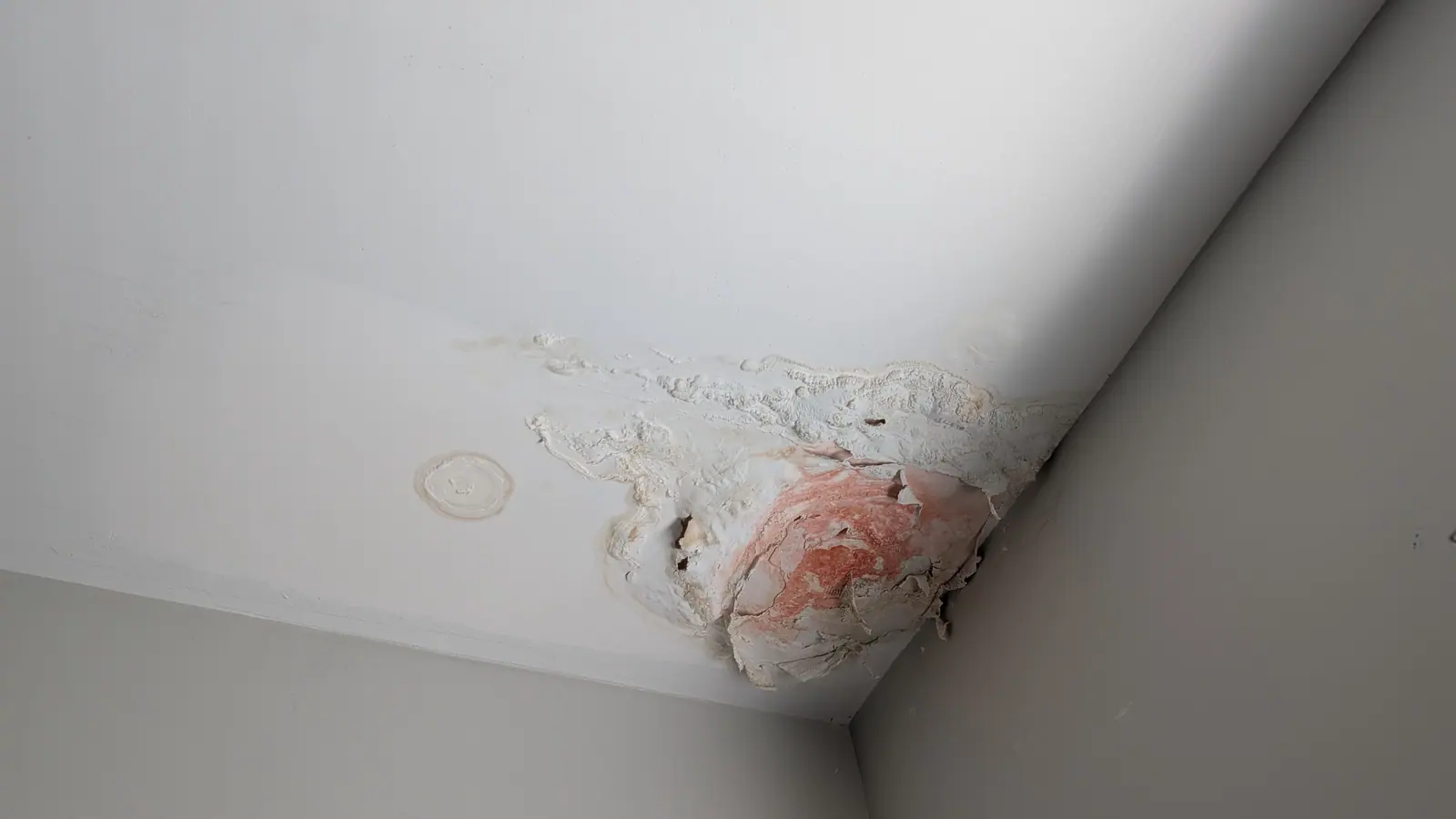
- Peeling paint
- Chipping paint
- Cracked paint
- Bubbling paint
- Water damage
- Dust around windows or floors
Pay close attention to:
- Windows and window sills
- Doors and door frames
- Walls and ceilings
- Baseboards and trim
- Stair railings
- Radiators and pipes
- Cabinets and shelves
Common Area Inspection
Check hallways, stairs, and shared spaces for:
- Damaged paint
- Loose plaster
- Paint dust
- Cracked surfaces
- Unsafe railings
Lead Testing Checklist
- Schedule XRF testing if needed
- Hire certified lead inspectors
- Keep copies of testing reports
- Identify all lead-positive surfaces
Repair and Safety Checklist
- Use EPA-certified contractors
- Follow lead-safe work practices
- Contain dust during repairs
- Clean work areas properly
- Complete clearance testing after repairs
Documentation Checklist
Keep records of:
- Annual tenant notices
- Inspection reports
- Repair invoices
- Lead testing reports
- Contractor certifications
- Photos of repairs
Annual Compliance Reminder
- Send annual notice to tenants every January
- Inspect child-occupied apartments yearly
- Respond quickly to peeling paint complaints
- Schedule preventive maintenance regularly
Start With the Age and History of the Property
The first step in any lead inspection process involves understanding the building itself.
Older NYC properties usually carry the highest risk for lead paint hazards. If your building dates back to before 1960, you should automatically treat lead safety as an important responsibility.
Even if previous owners painted over old surfaces many times, lead paint may still exist underneath newer layers. Renovations, water damage, and everyday wear can expose those older layers again.
Property records, renovation history, and previous inspection reports can provide useful information about potential lead risks. Landlords who understand the condition and history of their buildings usually respond faster when problems appear.
Also read: How Often Should a Home Be Tested for Lead Paint?
Annual Apartment Inspections Are Essential
One of the most important responsibilities for landlords involves yearly apartment inspections.
These inspections help identify peeling paint, cracking surfaces, and other conditions that may create dangerous lead dust. The process does not only focus on walls. Inspectors should pay close attention to windows, doors, trims, ceilings, and high-friction surfaces throughout the apartment.
Old windows create some of the biggest problems in NYC buildings. When painted surfaces rub together repeatedly, they produce fine dust that can spread across window sills and floors. Damaged doors and wooden trim can create similar risks.
Moisture also plays a major role. Water leaks often cause paint to bubble, crack, or peel. Even a small leak behind a wall can slowly turn into a lead hazard if nobody addresses it early.
Regular inspections allow landlords to catch these issues before they grow into larger compliance problems.
Why XRF Testing Matters in 2026
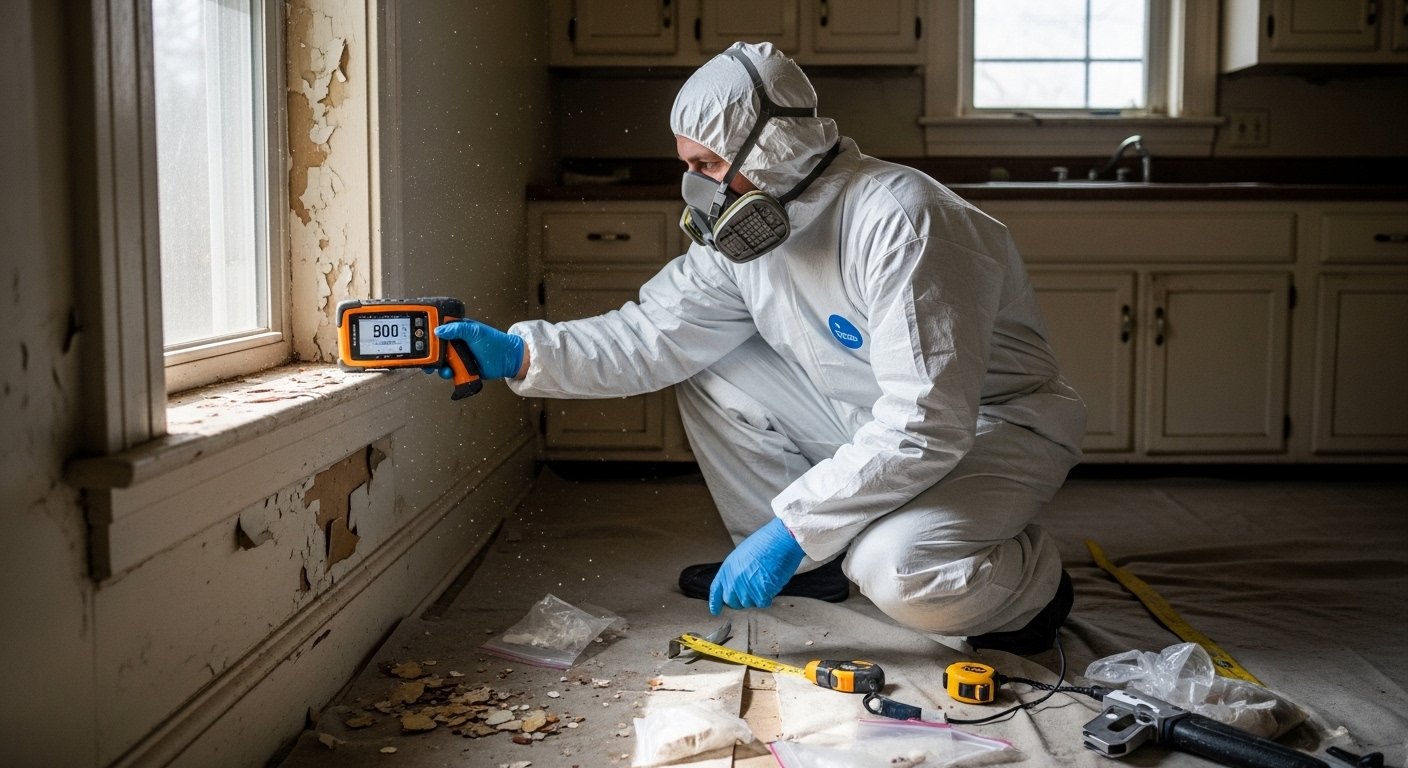
Many NYC landlords now rely on XRF testing to understand exactly where lead exists inside a building.
An XRF machine scans painted surfaces and detects lead content without damaging the walls. Certified inspectors use this technology to test doors, windows, ceilings, trims, and other painted areas throughout the property.
This testing provides clear answers instead of guesswork.
In the past, some landlords assumed that repainting an apartment solved the problem completely. Today, NYC regulations expect stronger documentation and more accurate information about lead conditions.
An XRF report helps landlords identify hazardous areas, plan safer repairs, and maintain proper compliance records. It also becomes valuable during tenant disputes, property sales, or city investigations.
For many landlords, professional testing creates peace of mind because they finally know the true condition of their property.
Also read: Can Lead Inspections Detect Lead in Dust, Paint, and Water?
Repairs Must Follow Lead-Safe Practices
One of the biggest mistakes landlords make involves improper repair work.
Lead paint repairs require more than simple sanding and repainting. Unsafe methods can spread lead dust throughout the apartment and make conditions even worse.
That is why NYC expects landlords to use lead-safe work practices. Contractors should contain the work area properly, control dust carefully, and clean thoroughly after repairs finish.
Hiring uncertified workers may save money upfront, but it often creates larger legal and financial risks later. Improper work can lead to failed inspections, tenant complaints, and additional violations.
Professional lead-safe contractors understand how to repair hazardous surfaces without contaminating the surrounding environment.
Vacant Apartments Create the Best Opportunity for Prevention
Empty units provide landlords with an excellent chance to address potential lead hazards before new tenants move in.
Once an apartment becomes vacant, landlords can inspect every painted surface more carefully and complete repairs without disrupting residents. This period often allows for better cleaning, testing, and preventive maintenance.
A fresh coat of paint alone does not solve every issue. Landlords should examine the condition beneath the surface and identify areas where friction or moisture may create future problems.
Taking preventive action during turnover periods usually reduces complaints and emergency repairs later.
The Cost of Ignoring Lead Hazards
Some landlords delay inspections because they worry about repair costs. Unfortunately, ignoring lead hazards often becomes far more expensive.
NYC violations can carry serious penalties. Tenant lawsuits involving lead exposure may also create major financial and legal consequences.
Beyond the legal risks, poor lead management damages tenant trust. Families want to feel safe in their homes. When landlords respond quickly to maintenance concerns, tenants usually feel more confident about the property.
Preventive inspections almost always cost less than emergency repairs, legal disputes, or city enforcement actions.
Building a Long-Term Lead Compliance Strategy
Successful landlords treat lead safety as an ongoing part of property management instead of a one-time task.
A consistent yearly schedule makes compliance easier. Annual inspections, maintenance planning, and professional testing help landlords stay ahead of problems before they escalate.
Communication also matters. Tenants should feel comfortable reporting peeling paint, leaks, or damaged surfaces as soon as they notice them. Fast responses often prevent small issues from becoming serious hazards.
Over time, proactive maintenance creates safer buildings, lower liability risks, and stronger tenant relationships.
Why Professional Lead Inspection Services Matter
Lead regulations continue to evolve in NYC, and many landlords struggle to keep up with changing requirements.
Professional lead inspection companies help simplify the process. Experienced inspectors understand local laws, testing procedures, documentation standards, and repair protocols.
They can identify hidden hazards that landlords may overlook and provide accurate reports that support compliance efforts.
Professional inspections also help property owners feel more confident during audits, tenant disputes, or building transactions. Instead of guessing whether a property meets NYC standards, landlords receive clear information and practical guidance.
For many property owners, working with experienced professionals saves time, reduces stress, and lowers long-term risk.
Need Help With Lead Inspections in NYC?
If you need professional lead inspection in NYC, XRF testing, lead paint assessments, or compliance support, trust Manhattan Lead.
Our experienced team helps NYC landlords navigate the requirements of Local Law 1 with confidence. Whether you manage a single building or a large property portfolio, we provide reliable inspection services designed to keep your properties compliant and your tenants protected.