What Does Lead-Free Mean?
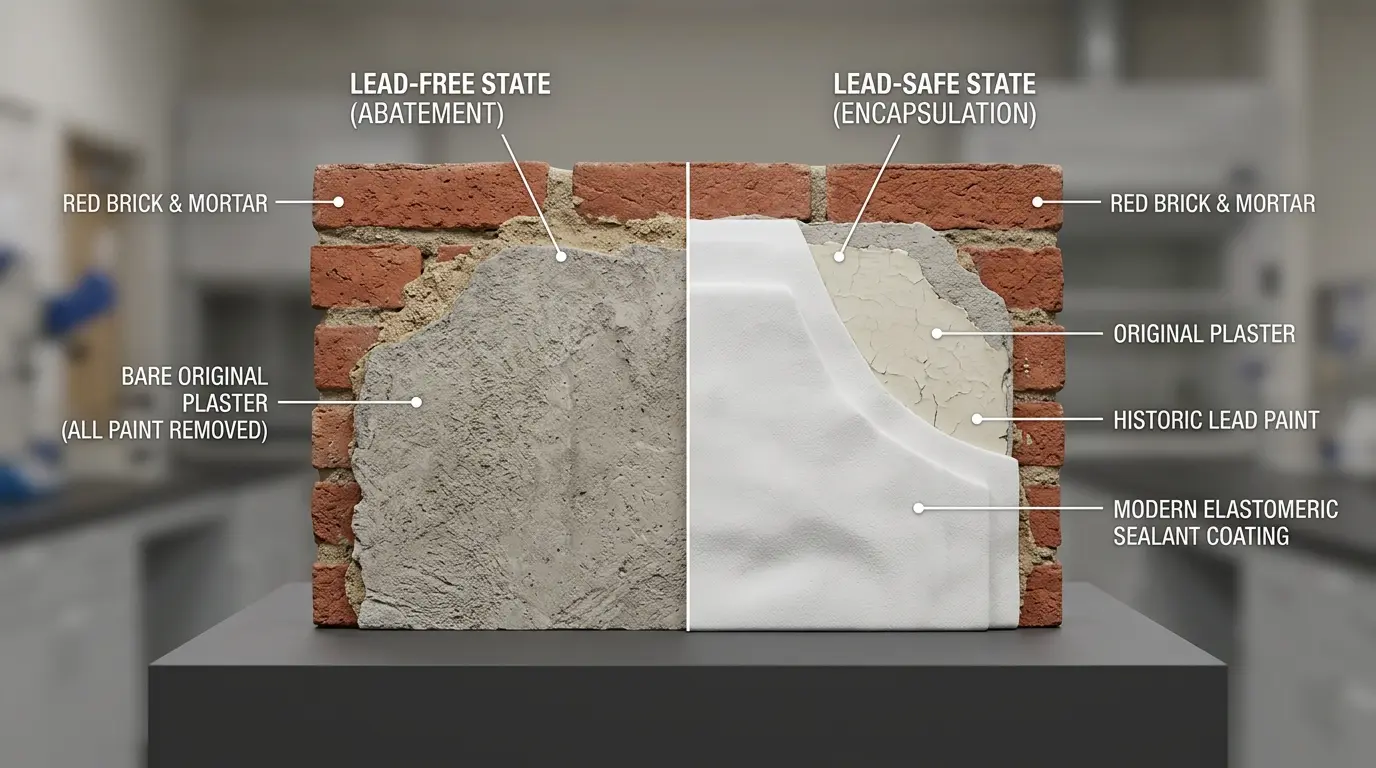
Lead-free means that lead-based paint is no longer present within the scope of the applicable standard or testing process. Achieving this condition may involve removing lead-based paint and verifying the results through appropriate testing. For property owners, the goal is to eliminate the source of lead-based paint rather than simply cover it.
Lead-free work may involve:
Removing lead-based paint from affected surfaces.
Replacing certain painted building components when appropriate.
Containing the work area to prevent lead dust from spreading.
Cleaning the area and arranging suitable testing or verification.
One important distinction: Removing lead-based paint does not automatically mean the entire property is lead-free. Lead may also be present in soil, dust, plumbing, or other materials. The scope of testing determines what can be confirmed.
What Does Lead-Safe Mean?
Lead-safe means that lead hazards have been removed or controlled to reduce the risk of exposure. Lead-based paint may still remain on the property. This approach focuses on keeping painted surfaces in good condition, controlling dust, and preventing residents from coming into contact with hazardous materials. Common lead-safe measures include:
Repairing damaged painted surfaces using appropriate methods.
Covering or enclosing lead-based paint when suitable.
Preventing lead dust from spreading during maintenance.
Cleaning affected areas with appropriate methods.
Inspecting treated surfaces and maintaining them over time.
Remember: Lead-safe does not mean lead-free. The remaining lead-based paint must continue to be managed properly.
Lead-Free vs. Lead-Safe: 8 Key Differences
Lead-Free and Lead-Safe Exemptions address lead-based paint differently. One requires qualifying lead paint to be absent from covered surfaces, while the other may allow it to remain under approved protective measures.
Comparison | Lead-Free | Lead-Safe |
Lead paint | Qualifying lead-based paint is absent or permanently removed from covered surfaces. | Lead-based paint may remain beneath approved protection. |
How it is achieved | Testing confirms qualifying surfaces are negative, or required paint removal or component replacement is completed. | Suitable surfaces receive approved encapsulation or containment. |
Inspection | Qualifying XRF testing is required, with applicable verification after abatement. | Qualifying XRF testing identifies lead-painted surfaces and informs the required treatment. |
Dust clearance | Applicable post-abatement clearance requirements must be met. | Applicable clearance requirements must be met after treatment. |
Maintenance | No ongoing monitoring of removed paint is needed, but other compliance duties may remain. | Protected surfaces require ongoing monitoring and repairs when needed. |
Upfront cost | Can be higher when extensive removal or replacement is necessary. | May be lower when suitable surfaces can be protected without extensive removal. |
Future expenses | May reduce costs associated with maintaining protective coatings. | May involve recurring inspections, monitoring, and repairs. |
HPD approval | Covers only the areas identified in the approved exemption. | Covers only the areas identified in the approved exemption and carries monitoring responsibilities. |
1. Lead-Free vs. Lead-Safe: Is Lead Paint Still Present?
The key difference is whether lead-based paint remains on the surfaces being addressed.
Lead-free: The relevant surfaces meet the applicable lead-free standard. This may mean lead-based paint was never present or has been removed to the required standard.
Lead-safe: Lead-based paint may still exist, but approved measures are used to prevent exposure. For example, a suitable painted surface might be covered with an approved encapsulating product rather than having all the paint removed.
Good to Know: Treating a surface does not necessarily make the entire building lead-free. The result depends on which areas were inspected, tested, or treated and what the applicable rules require.
2. Removing Lead Paint vs. Sealing It in Place
Removing lead-based paint is not as simple as scraping it off and repainting. Improper work can spread hazardous dust throughout a property, exposing residents and workers. Lead removal may involve:
Removing affected paint using appropriate containment and safety procedures.
Replacing certain painted components when removal is unsuitable.
Cleaning the work area and completing any required clearance procedures.
Lead-safe treatment takes a different approach. When the surface and conditions allow it, encapsulation or enclosure can help prevent contact with existing lead paint. The underlying material remains, so the protective barrier must stay intact. Neither method suits every situation. Damaged paint, friction surfaces such as certain windows, and areas affected by moisture may require special consideration before a treatment is selected.
3. How Testing Differs for Lead-Free and Lead-Safe Properties
Testing helps establish the condition of painted surfaces and informs the next step. The process depends on whether the goal is to verify the absence or removal of lead-based paint.
For a lead-free outcome
Professionals may use approved testing methods to assess relevant surfaces. After abatement, additional verification may be required to confirm that the work meets the applicable standard.
For lead-safe treatment
The inspection helps identify lead-painted surfaces, assess their condition, and determine whether a protective treatment is appropriate. Testing alone does not make a property lead-safe; the necessary work and any required verification must also be completed.
Property owners should confirm which testing method and documentation NYC regulations require for their specific project.
4. Lead Dust: Clearance Requirements for Each Approach
Paint removal can create lead dust that settles on floors, window sills, and other nearby surfaces. Even when the visible paint is gone, residue may remain if the work area has not been cleaned properly.
Lead-safe treatment also requires care. Sanding, scraping, drilling, or disturbing a painted surface can release lead dust, even when the plan is to leave the paint in place.
What should property owners check before work is complete?
Was the work area properly contained?
Were cleanup procedures appropriate for lead-related work?
Does the project require dust-wipe testing or another form of clearance?
Have the required results and records been provided?
Clearance requirements depend on the type of work and the applicable regulations. Owners should not assume that either removal or encapsulation automatically eliminates the need for clearance.
5. Long-Term Maintenance: Lead-Free or Lead-Safe?
The long-term workload depends on what was done and what remains in the building. Lead-free work can reduce the need to maintain protective coatings over lead paint that has been removed from the relevant surfaces. However, other painted areas or building components may still contain lead, and separate compliance duties may continue to apply.
Lead-safe treatment needs closer attention to the condition of the protective barrier. Owners should watch for:
Peeling, cracking, or flaking paint.
Damaged encapsulating coatings or enclosures.
Moisture problems that weaken the treated surface.
Renovation or repair work that could disturb covered paint.
Routine checks help identify damage early. Repairs should be handled using appropriate lead-safe practices rather than ordinary painting methods alone.
6. Comparing the Upfront Cost of Lead Removal and Lead Protection
The cheaper option depends on the building, not simply on the treatment name.
Cost factor | Lead-free approach | Lead-safe approach |
Paint removal | May require substantial labor and containment | May be avoided when protection is suitable |
Component replacement | Could add high costs | May be unnecessary for suitable surfaces |
Surface preparation | Depends on the removal method and material | Can involve extensive preparation before protection |
Verification | Applicable testing and clearance may add to the total | Required inspection and clearance may also add to the total |
Property with limited, accessible lead-painted surfaces may have a very different project cost from one with widespread deterioration or difficult-to-reach areas. Request an itemized estimate that explains the proposed treatment, containment, cleanup, testing, and any required follow-up. Comparing the scope of work gives a clearer picture than comparing two headline prices.
7. Future Repair Costs Where Lead-Safe Properties May Need More Attention
Protective coating can work well, but it is not a permanent solution if the surface beneath it deteriorates or the barrier becomes damaged. Consider a rental apartment with encapsulated lead paint around a window. If moisture causes the coating to crack or the window components to deteriorate, the owner may need repairs and renewed lead-safe treatment. When you ignore the damage, it could increase exposure risk and make later work more complicated.
Lead removal can reduce the need to maintain protective barriers on the surfaces addressed. However, it may have higher initial costs, and other building repairs or compliance requirements can still arise.
The practical takeaway: Evaluate the likely maintenance needs alongside the initial quote. The condition of the surfaces, moisture risks, tenant turnover, and planned renovations can all affect future expenses.
8. NYC HPD Compliance: What Lead-Free and Lead-Safe Status Means
In New York City, the selected treatment must fit the property's circumstances and the applicable requirements. HPD rules may impose specific duties on owners of covered residential buildings, and completing a paint treatment does not automatically satisfy every legal obligation.
Before closing out a project, property owners should verify:
Which building areas and surfaces were covered by the work.
Whether the required testing and clearance were completed.
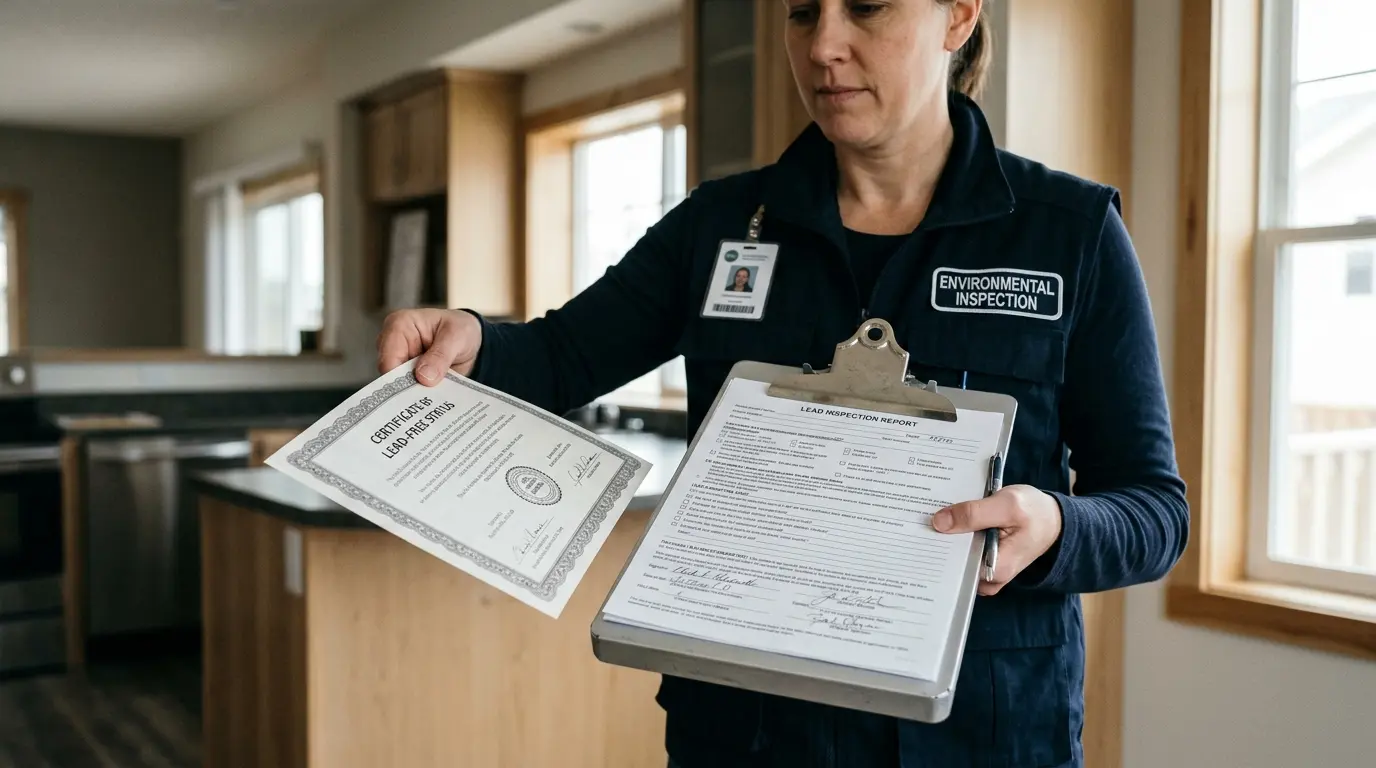
Which reports, certifications, or records must be retained.
Whether any ongoing inspection, repair, or other compliance duties remain.
Do not assume that documentation for one apartment or surface establishes compliance for the entire building. The scope of any applicable exemption or approval matters. For property-specific guidance, review the NYC HPD lead-based paint requirements and consult a qualified professional familiar with local rules. The correct approach should protect occupants while meeting the requirements that apply to the property.
Is Lead-Free Better Than Lead-Safe?
The answer depends on what needs to be addressed. Lead-free work aims to remove lead-based paint, while lead-safe work aims to control exposure risks. Property owners should not assume that one approach is always necessary or suitable for every building.
Consider these situations:
Lead-free work may be appropriate when:
The project requires the removal of lead-based paint.
Extensive renovation will disturb painted surfaces.
The owner wants to eliminate identified lead-based paint from specific components.
Applicable rules or project specifications require a defined lead-free result.
Lead-safe work may be appropriate when:
Existing lead-based paint is stable and can be managed safely.
Complete removal would create unnecessary disruption.
Suitable controls can address the identified hazards.
The owner can maintain and monitor treated surfaces over time.
The right decision should follow a professional assessment rather than the appearance of the paint alone.
How to Apply for a Lead Exemption in NYC
NYC property owners may qualify for a lead exemption if their property meets the required standards. The process involves testing, gathering documents, and submitting an application to the NYC Department of Housing Preservation and Development.
Steps to Apply
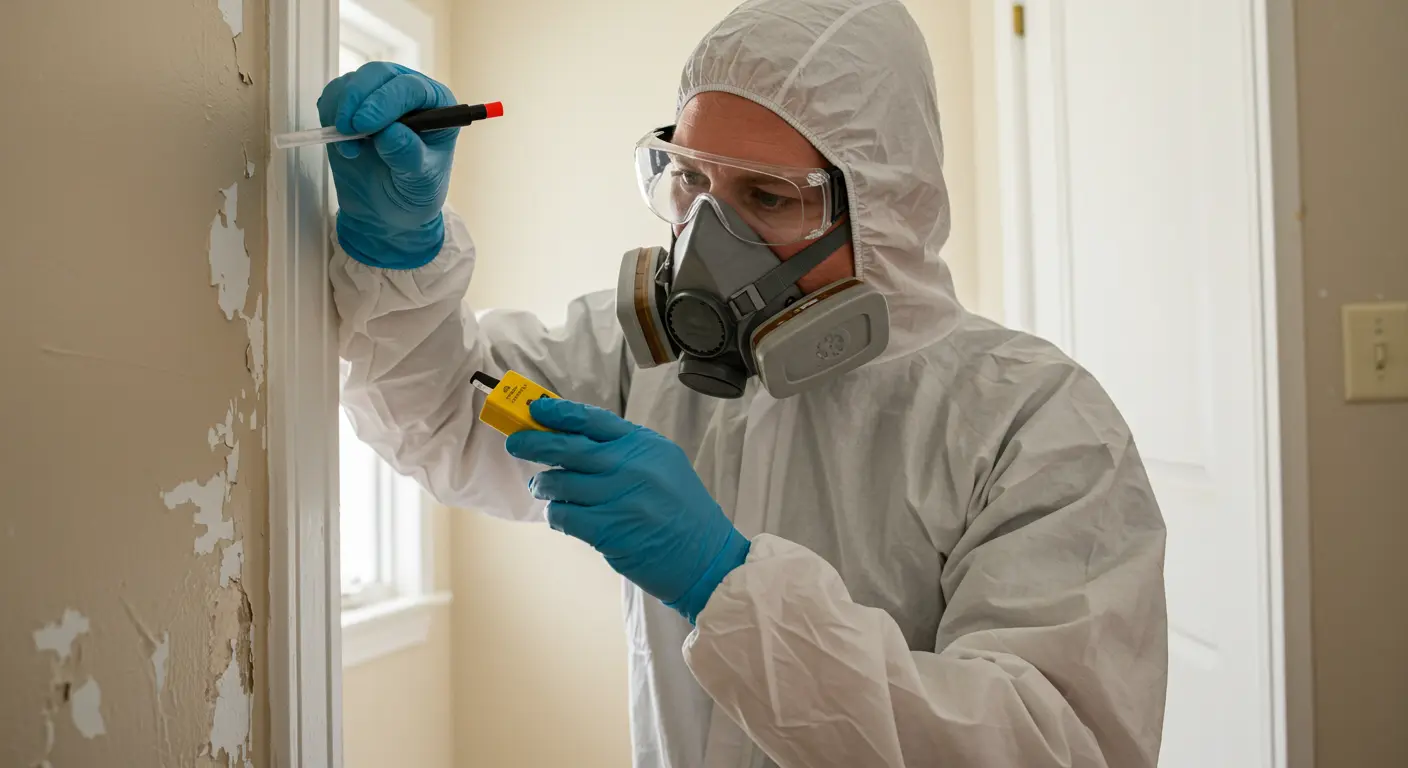
Test the property: Hire a qualified professional to inspect the relevant painted surfaces and determine whether they meet the required standards.
Identify the exemption: Confirm whether the property qualifies for a lead-free or lead-safe exemption based on its condition and completed work.
Gather documents: Collect the required testing results, work records, and other supporting paperwork.
Submit the application: Complete the application through the appropriate HPD process and provide the required documents.
Keep the approval: Retain the exemption records and follow any ongoing maintenance or compliance requirements.
Final Thoughts: Choose the Right Lead Safety Approach with Manhattan Lead
Lead-free and lead-safe work serve different purposes. Lead-free work aims to eliminate lead-based paint within a defined scope, while lead-safe work focuses on controlling hazards and reducing exposure. Understanding that difference helps property owners choose a plan based on the building's condition, project requirements, and long-term maintenance needs.
Protect your property and the people who live in it with expert lead testing and abatement. Manhattan Lead helps NYC property owners identify lead hazards, understand their options, and take the right steps toward compliance. Contact us today to discuss your property and get started with a safer, lead-compliant building.
Frequently Asked Questions
Can a property be lead-safe without being lead-free?
Yes. Lead-based paint may remain on a property when identified hazards have been properly controlled. The condition must be assessed and managed according to the applicable requirements.
Does lead-free mean all lead has been removed from the building?
Not automatically. The term depends on the scope and standard used to assess the property. Lead may also exist in soil, plumbing, dust, or other materials.
Can lead-safe paint be removed later?
Yes. Lead-based paint that has been managed or enclosed can be addressed later using appropriate procedures. Any future work must account for the remaining lead and prevent hazardous dust from spreading.
Which approach costs less?
Lead-safe work may have lower initial costs when targeted controls are sufficient. Lead-free work may require more extensive removal and verification. The actual cost depends on the property's condition and the required scope.
How do property owners know which approach they need?
Testing and a professional assessment can help identify lead-based paint, evaluate hazards, and determine the work required. Owners should also check local regulations and project-specific requirements before making a decision.