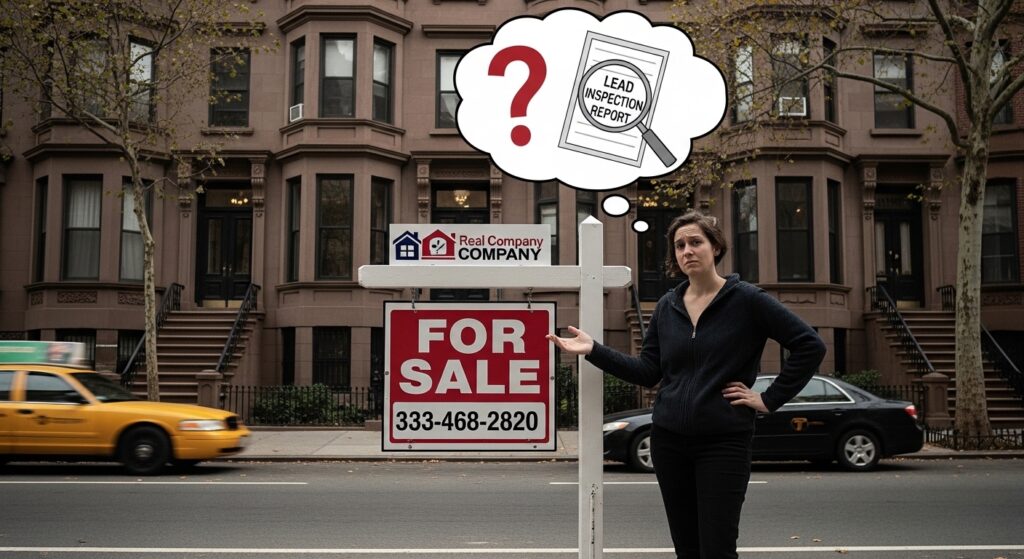
A lot of property owners across New York City ask this one question before listing a building, brownstone, or apartment for sale: do I need a lead inspection before I can close the deal? The short answer has a few layers, because federal law, state law, and city rules each cover a different piece of the puzzle. This guide walks through what you actually need, what you should plan for, and what skipping a proper lead inspection in NYC can cost you at the closing table.
The Short Answer: Yes, But There Is a Catch
You can legally sell a New York City property without a formal pre-sale lead inspection. No federal or state rule forces a seller to hire an inspector before signing a sales contract. The catch is the disclosure side of the deal. Under the federal Residential Lead-Based Paint Hazard Reduction Act, also called Title X, every seller of a home built before 1978 must:
- Hand over the EPA pamphlet “Protect Your Family from Lead in Your Home”
- Disclose any known lead-based paint or lead hazards
- Share all existing inspection reports and records on the property
- Add the federal Lead Warning Statement to the sales contract
- Give the buyer a 10-day window to do their own inspection
You can read more on the EPA lead disclosure rules page. So while a pre-sale lead inspection in NYC is not on the legal checklist, the buyer almost always has the right to one, and any honest seller has to share what is already known about the paint, water lines, and soil.
What NYC Local Law 31 Says for Sellers
NYC Local Law 31 of 2020 is part of the picture, even though it mostly targets rental units. The law forces owners of pre-1960 buildings, and pre-1978 buildings where a child under six lives, to perform XRF lead-based paint testing in every apartment. The compliance deadline ran through August 2025.
For sellers, Local Law 31 matters in two ways:
- If the property was a rental, the buyer’s lawyer will ask for proof of compliance. Missing reports lower the offer or kill the deal.
- If the buyer plans to rent the unit after closing, they will inherit the same testing duty. A careful buyer will check for any open lead notices before they put down a deposit.
So, for owners of multi-family buildings, mixed-use properties, and SRO buildings, skipping a lead inspection in NYC before selling often means the buyer’s team will dig up the missing records during due diligence and use them to push the price down.
What Happens If You Sell Without a Lead Inspection
A clean sale without an inspection report is possible, but the path comes with a list of pain points:
- Lower offers from buyers. Investors and careful homebuyers in NYC subtract the cost of testing and abatement from the offer when a pre-1978 building has no recent inspection on file.
- Lawsuits after closing. Failure to disclose known lead-based paint can carry a federal fine of up to $19,507 per violation, plus triple damages in a civil suit.
- Deal collapses during the 10-day window. Buyers who bring in their own XRF lead testing team often walk away when they find chipping paint, lead dust on window sills, or lead in the water lines.
- Open HPD lead violations move to the new owner. If a building has an open HPD lead notice, the violation does not disappear at closing. The new owner is on the hook to fix it.
- Slower closings. Lenders and title insurance companies sometimes pause closings on pre-1978 buildings that have no lead documentation in the file.
Commercial and Mixed-Use Properties: Where Lead Inspections are a Necessity
Most commercial property owners in NYC will tell you that the lead question shows up faster than they expected, especially on these property types:
Multi-Family Buildings and Walk-Ups
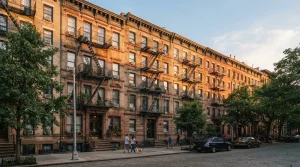
Pre-war apartment buildings in Manhattan, Brooklyn, Queens, and the Bronx are full of original lead-based paint on door frames, windows, and trim. Buyers in this class always order their own lead testing during the due diligence period. Missing reports give them room to negotiate down by tens of thousands of dollars.
Mixed-Use Buildings With Storefronts and Apartments
Mixed-use properties carry both a commercial and a residential profile. The apartment units fall under Local Law 31 and federal disclosure rules. If the buyer plans to keep the residential floors, they will treat any missing lead inspection in the NYC record as a red flag and may ask for a price cut to cover full XRF testing of every unit.
Buildings Being Sold for Conversion
Developers turning warehouses, offices, or older commercial spaces into residential units have to check for lead in plaster, paint, soil, and old plumbing. A pre-sale inspection by the current owner makes the deal smoother and the price firmer.
Hotels, Schools, and Daycare Properties
These buildings face strict lead rules because children and the public spend time inside. Buyers of these properties always want a clear lead profile before signing.
Residential Sales: When Sellers Should Plan for a Lead Inspection
Most NYC homeowners selling pre-1978 brownstones, co-ops, condos, and single-family townhouses will run into the same buyer questions. A pre-sale lead inspection in NYC is not legally required for residential sales, but it gives the seller two clear wins.
First, the report sets a baseline. If the inspector finds no lead hazards, the seller can hand over a Lead-Free or Lead-Safe certification, which makes the property more attractive to families with young children. Second, if the inspection turns up lead, the seller can bring in an abatement team and clear the issue before the listing goes live, rather than face a panicked renegotiation later.
Open Lead Violations Are a Bigger Problem Than No Report at All
A property with an open HPD or DOH lead violation cannot be sold at full market value. NYC keeps lead violations on the public record, and they show up the moment a buyer’s lawyer pulls a title search. Many buyers will not even submit an offer until the violation is closed.
Selling a property with open lead notices means:
- The buyer will demand a price cut to cover the cure
- The lender may refuse the mortgage until the violation is cleared
- The seller stays on the hook for the violation until closing day
- The deal often drags on for months past the original timeline
The faster path is to clear the violation, get fresh testing done, and list the property with a clean record.
How a Pre-Sale Lead Inspection Works in NYC
A proper pre-sale lead inspection has three main parts. An EPA-certified inspector uses an XRF gun to scan painted surfaces room by room. The same inspector then takes paint chip samples for any spots the XRF gun flags, and the chips go to a lab. Finally, dust wipe testing on floors and window sills checks for fine lead particles. Water testing for lead pipes is a separate task that the inspector can coordinate during the same visit.
Most NYC residential and small commercial inspections wrap up in one to two days. The full report lands in the seller’s inbox within a week, and the seller can share it directly with the buyer’s team to speed up closing.
Avoid a Costly Closing Surprise: Book Your Inspection Before You List
A missing lead inspection in NYC is the kind of small detail that costs a property owner the most at the worst possible moment, when a buyer is ready to sign but suddenly asks for a price cut, an open violation pops up in the title, or a lender pauses the loan. The fix is to test the property before the listing goes live, not after the buyer walks in. At Manhattan Lead, our EPA-certified team handles pre-sale lead testing for commercial buildings, multi-family walk-ups, mixed-use properties, and homes across Manhattan, Brooklyn, Queens, the Bronx, and Staten Island. Reach out through our contact page or call our team today, and clear the lead question off your sale before it costs you money.