A DOH lead violation in NYC does not arrive with a warning. It arrives after a child in your building has already been identified with elevated blood lead levels. By that point, the Department of Health has opened an investigation, and the clock on your response as a property owner has already started. Understanding what causes these violations is the first step toward preventing them.
What Triggers a DOH Lead Violation
The New York City Department of Health and Mental Hygiene issues lead violations when a child under six years old living in a building tests with an elevated blood lead level. Once the DOH receives that blood test result from a medical provider, the department initiates an investigation into the child’s home environment.
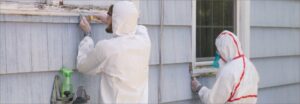
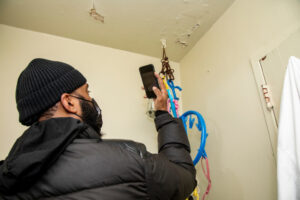
The investigation focuses on identifying the source of the lead exposure. Inspectors test painted surfaces, collect dust wipe samples, and assess the overall condition of the unit. When the investigation confirms that lead paint hazards exist in the dwelling, the DOH issues a violation to the property owner requiring remediation within a specific timeframe.
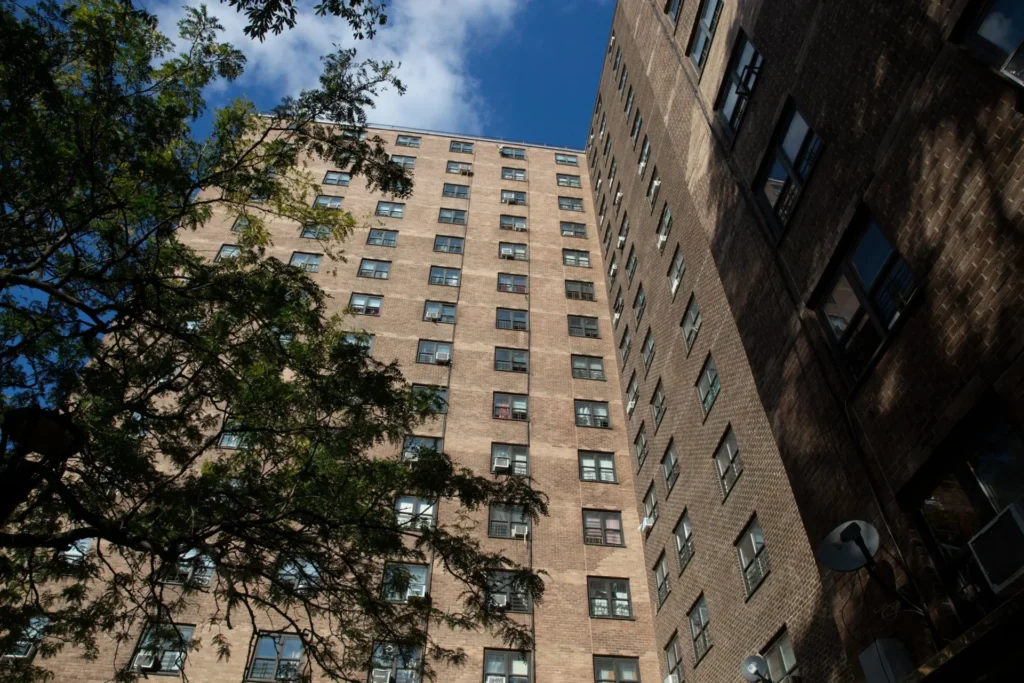
Children in buildings constructed before 1960 face the highest risk of lead exposure in New York City. The concentration of pre-war housing in boroughs like Brooklyn, the Bronx, and Manhattan means that DOH lead violations in NYC remain a consistent issue across the city’s rental housing stock.
The violation is a consequence of conditions that were present long before the investigation began. The causes are almost always rooted in how the building was maintained, or not maintained, over time.
Cause 1: Deteriorating Lead Paint on Friction Surfaces
The single most common cause of DOH lead violations in NYC is deteriorating lead paint on surfaces that experience friction during regular use. These are surfaces where painted areas rub against each other or against hardware repeatedly throughout the day.
Where Friction Surfaces Are Found
- Window frames where the sash slides up and down against the frame
- Door frames and door edges where the door contacts the frame on closing
- Stair railings and balusters
- Cabinet doors and drawer hardware in older kitchen units
Each time these surfaces move against each other, they generate lead dust. That dust settles on the floor, on window sills, and on horizontal surfaces throughout the room. Children crawling on floors and putting their hands in their mouths ingest the dust without any visible sign of contamination.
For a landlord managing a building constructed before 1960, friction surfaces on windows and doors in every unit are a lead hazard that requires inspection and maintenance under Local Law 1. When a property owner does not address deteriorating paint on these surfaces, the conditions for a DOH lead violation in NYC are already in place.
Cause 2: Chipping and Peeling Paint in Poor Condition
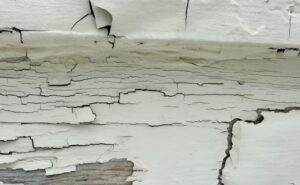
Chipping or peeling lead paint is a visible hazard that NYC law requires landlords to address. When paint on walls, ceilings, or trim begins to peel, it breaks into chips and generates dust that contaminates the surrounding area.
This cause is one that property owners cannot claim was not visible. Chipping paint on a window sill, peeling paint on a wall near the radiator, or deteriorating paint on a bathroom ceiling is a condition that shows up in any basic walkthrough of the unit. Under Local Law 1, landlords are required to perform annual inspections of units in covered buildings where a child under six resides. A landlord who performs that inspection and does nothing about chipping paint has documented their awareness of the hazard.
When a DOH investigation finds chipping or peeling lead paint in a unit where a child has elevated blood lead levels, the violation is accompanied by an order to remediate using lead-safe work practices. The failure to have addressed the condition before the investigation is what produces the violation.
Read More: What’s the Difference Between HPD and DOH Lead Violations
Cause 3: Renovation Work Without Lead-Safe Practices
Renovation activity in pre-1978 buildings is one of the most concentrated sources of lead dust generation in NYC residential properties. Sanding, cutting, drilling, and demolishing painted surfaces releases lead dust in quantities far above what normal wear produces.
What the EPA Rule Requires
The EPA Renovation, Repair and Painting Rule requires contractors working in pre-1978 housing to be certified and to follow lead-safe work practices that contain and clean up lead dust during and after the work. When landlords hire uncertified contractors or allow renovation work to proceed without the required containment and cleanup protocols, the resulting lead dust contamination in the unit creates the conditions for a DOH lead violation in NYC if a child in the building subsequently tests with elevated blood lead levels.
For property owners managing large residential buildings in New York City, every renovation project in a pre-1978 unit carries lead paint obligations. This includes turnover work between tenants, bathroom and kitchen updates, window replacements, and any work that disturbs painted surfaces. The obligation does not disappear because the renovation was minor.
Cause 4: Failure to Comply With Annual Inspection Requirements
Local Law 1 of 2004 requires landlords of multiple dwellings built before 1960, or between 1960 and 1978 with known lead paint, to conduct annual inspections of each unit where a child under six resides. The inspection must cover all painted surfaces and assess their condition. When a hazard is found, the landlord must address it.
Many DOH lead violations in NYC trace back to landlords who did not perform these inspections at all, or performed them without the required follow-up on identified hazards. The DOH investigation in response to an elevated blood lead level will review the landlord’s inspection records. A landlord without documentation of annual inspections, or with inspections that show identified hazards that were not addressed, faces a violation with compounded liability.
The annual inspection requirement is not a formality. It is the mechanism the city uses to put the obligation of identifying and addressing lead hazards on the property owner before a child is harmed. A landlord who skips the inspection removes the only opportunity to prevent the violation from occurring.
Cause 5: Incomplete or Improper Remediation After a Prior Violation
A property owner who received a prior lead violation and performed remediation work that did not meet the required standard will find the violation unresolved when the DOH conducts its clearance inspection. Incomplete remediation is a cause of ongoing DOH lead violations in NYC that affects landlords who believed the issue was handled.
Why Remediation Fails Clearance
- Work was performed without containing the area, spreading dust beyond the work zone
- Surfaces were painted over without addressing the underlying deterioration
- Dust wipe clearance testing was not performed after the work, so no confirmation of acceptable lead dust levels exists
- The contractor used standard painting methods rather than lead-safe work practices
- Only the visible hazard was addressed, while friction surfaces generating ongoing dust were left untreated
Lead dust remediation that does not pass clearance testing leaves the violation open and the hazard in place. The DOH clearance inspection tests dust wipe samples from treated areas and will not issue a clearance certificate if lead dust levels remain above acceptable thresholds.
For property owners, the lesson here is that the work performed in response to a lead violation needs to follow the correct protocol from the start. Cutting corners on the remediation process means doing the work twice and carrying the violation through a longer timeline.
Cause 6: Lead Paint Hazards in Common Areas
DOH lead violations in NYC are not limited to individual units. Common areas in residential buildings, including hallways, stairwells, lobbies, and laundry rooms, can carry lead paint hazards in pre-1978 buildings. Children in the building pass through these spaces regularly, and lead dust from deteriorating paint in common areas contributes to their overall exposure.
Landlords who maintain the units in their building but ignore the condition of painted surfaces in common areas leave a significant exposure pathway open. The DOH investigation following an elevated blood lead level in a child will assess common areas the child had access to, not just the specific unit.
This is a cause that building managers with larger properties sometimes miss because the focus tends to be on individual units rather than shared spaces. The lead paint obligation under NYC law covers the full building, not just the residential units.
Cause 7: No Knowledge of the Building’s Lead Paint Status
Some property owners, particularly those who purchased buildings without a lead paint inspection as part of the due diligence process, do not have an accurate picture of where lead paint exists in their building and what condition it is in. Operating a pre-1978 rental building without this knowledge does not reduce the legal obligation. The law applies to the building based on its construction date, not based on whether the current owner has documentation.
Lead paint testing and inspection establishes the baseline record that a property owner needs to manage the building’s compliance obligations. Without knowing which surfaces contain lead paint and what condition those surfaces are in, a landlord cannot perform the annual inspections required by Local Law 1 and cannot respond to DOH inquiries with documentation.
For new building owners and property managers who have taken over buildings without lead inspection records, establishing that baseline is the first step toward preventing a DOH lead violation in NYC.
What Happens After a DOH Violation Is Issued
Once a DOH lead violation in NYC is issued, the property owner receives an order with a specific timeframe to complete remediation. The DOH will conduct a clearance inspection after the work is reported as complete. If the clearance inspection confirms that lead dust levels in the affected areas meet acceptable standards, the violation is cleared.
If the violation is not addressed within the required timeframe or if the clearance inspection fails, the DOH escalates the enforcement process. Penalties accumulate, and the property can become subject to further agency action. For landlords with multiple units or buildings in their portfolio, an unresolved DOH violation creates exposure across the entire operation.
The violation record also becomes part of the building’s public documentation through the HPD and DOH systems. This affects tenant relationships, insurance coverage, and the building’s standing with city agencies.
Preventing DOH Lead Violations With Our Lead Inspection in NYC
At Manhattan Lead, our EPA-certified team works with property owners, landlords, and building managers across New York City on lead paint inspections, XRF testing, dust wipe clearance testing, and the documentation required for Local Law 31 and Local Law 1 compliance. Whether the building has an open violation that needs to be cleared or has never had a formal lead inspection, the work starts with an inspection that tells you exactly what the building contains and what its condition is.
A DOH lead violation in NYC is not the starting point of the problem. It is the point where the city has already confirmed that a child in your building has been harmed. The time to act is before that investigation begins. Contact our team to schedule an inspection and get a current picture of your building’s lead paint status before the DOH comes to you first.