Your home should be a place where you feel safe and secure. Yet, many homeowners overlook a hidden danger that can quietly affect their health and that of their family: lead. Lead exposure in homes continues to pose a significant risk, especially in older buildings. It contaminates water, paint, and dust, often without any immediate signs. That is why lead testing in NYC should not be an afterthought. It deserves a spot on your essential home maintenance checklist.
The Danger of Lead in Homes
Lead is a heavy metal that accumulates in the body over time. Even in small amounts, it can disrupt the nervous system, affect cognitive development, and lead to serious health conditions.
Children, pregnant women, and the elderly are especially vulnerable. In homes built before 1978, lead-based paints were commonly used, and old pipes often contained lead. This means that countless households carry a silent threat, often unnoticed until symptoms appear.
Lead exposure does not always show immediate signs. Adults may experience fatigue, headaches, or digestive issues, which can easily be attributed to other causes. Children, on the other hand, may develop learning difficulties, behavioral problems, and developmental delays. These subtle consequences make lead a sneaky, yet dangerous hazard.
Also read: How Much Does XRF Lead Testing Cost?
The Sources of Lead in Residential Spaces
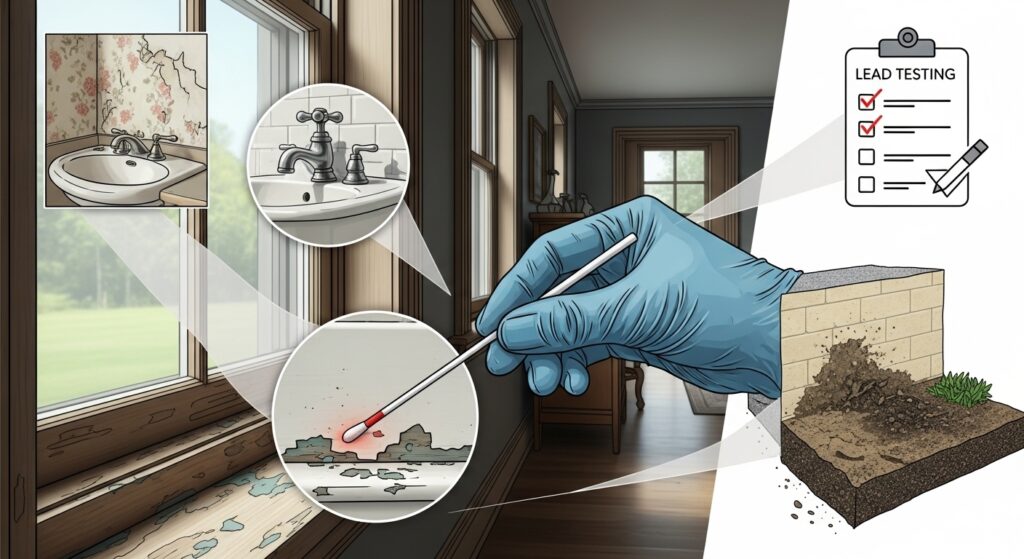
Understanding where lead lurks in your home helps explain why testing is essential. Lead can hide in paint chips, dust, soil, and plumbing.
Homes constructed before regulations limited lead usage face the highest risks. Peeling paint, deteriorating walls, or renovations in older structures often release lead dust into the environment.
Water contamination is another major source. Lead pipes, fixtures, or soldered joints can leach lead into drinking water over time. Even if water looks clear, it can contain harmful levels of lead.
Soil near busy roads or industrial areas also carries lead from years of emissions and past use of leaded gasoline. Without testing, you cannot be sure your home environment is safe.
The Health Impacts of Lead Exposure
Lead exposure has far-reaching effects that go beyond immediate illness. For children, even small amounts can impair learning and memory. Their bodies absorb lead more readily than adults, making early detection crucial. Pregnant women risk passing lead to the fetus, affecting brain development and increasing the likelihood of low birth weight.
Adults face cardiovascular issues, kidney damage, and reproductive challenges. Chronic exposure can also affect mental health, contributing to anxiety and depression. The problem with lead is its invisibility. Unlike mold or pests, you cannot detect lead through sight or smell. This is why proactive testing is vital, it is the only reliable way to identify danger.
Why Testing is Your First Line of Defense
Lead testing in NYC acts as the first step in protecting your family. By knowing whether your home contains lead, you gain the knowledge to take immediate action.
Testing helps identify specific hotspots such as windowsills, doors, or plumbing systems. With this information, you can implement targeted interventions rather than guessing or waiting for health symptoms to appear.
Many homeowners assume that simply living in a clean home reduces risk. However, lead dust can spread easily, clinging to floors, furniture, and even clothing. Testing helps you understand not just the presence of lead but also its level of danger, allowing for a precise plan of action.
Methods of Lead Testing
Professional Lead Inspection
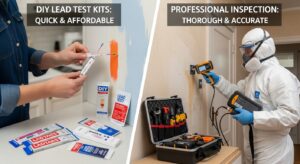
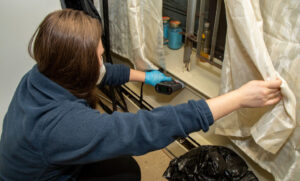
You can hire certified professionals to perform a comprehensive inspection. These experts use specialized equipment to measure lead in paint, dust, and water. They also provide guidance on remediation steps if they find elevated levels.
DIY Lead Test Kits
DIY lead test kits are another option. While they may not provide the same precision as professional testing, they offer a preliminary indication of lead presence. Homeowners can use these kits to check common areas such as painted surfaces or plumbing faucets. Combining DIY testing with professional assessment gives a thorough understanding of lead exposure risk.
Also read: Best Lead Paint Testing Methods for Old Buildings
Lead Testing in Water Systems
Water is an essential focus for lead testing. Homes with older plumbing are particularly at risk. Lead pipes and solder can contaminate drinking water, cooking water, and even water used for bathing infants. Testing water identifies contamination before it becomes a health hazard.
Regular water testing is crucial because lead does not dissipate over time. Flushing faucets occasionally cannot guarantee safety. Testing provides clarity and allows homeowners to implement measures such as installing filters or replacing pipes. Ignoring water testing may expose families to long-term health consequences without warning.
Lead risks Associated with Renovation
Renovation in older homes can exacerbate lead hazards. Disturbing old paint or walls releases fine dust containing lead particles. Without proper precautions, this dust settles on surfaces, toys, and floors, increasing the chance of ingestion.
Lead testing before renovations is a proactive step. It informs contractors about necessary safety measures. Encasing lead paint, using protective barriers, and following proper cleanup protocols can prevent contamination. By testing first, you prevent unintentional exposure during projects meant to improve your home.
The Economic Benefits of Lead Testing
Investing in lead testing may seem like an extra expense, but it actually saves money and adds value to your home over time. Here are the main economic benefits:
Saves on Health-Related Costs
Testing prevents lead exposure, reducing the risk of expensive medical treatments for children and adults. Early detection keeps your family healthy and avoids long-term healthcare bills.
Reduces Home Remediation Expenses
Identifying lead early allows for targeted fixes rather than large-scale renovations later. Small interventions are cheaper and less disruptive than emergency cleanup.
Increases Property Value and Marketability
Homes with verified lead safety are more appealing to buyers. Certification or documentation of testing can help sell your home faster and at a higher price.
Minimizes Legal and Liability Risks
Homeowners, especially landlords, can face fines or lawsuits if tenants or visitors are exposed to lead. Testing and mitigation protect you from costly legal issues.
Steps After a Positive Lead Test
If your home tests positive for lead, take a quick action to protect your family’s health. Here are the key steps:
Identify and Isolate the Source: Determine whether the lead comes from paint, dust, soil, or water, and restrict access to affected areas.
Hire Certified Professionals: Engage licensed lead remediation specialists to safely remove, seal, or replace contaminated materials.
Clean Thoroughly and Reduce Exposure: Use damp cloths for surfaces, wash hands frequently, and prevent children from contact with dust or soil.
Retest After Remediation: Conduct follow-up testing to ensure lead levels have dropped to safe limits.
Support Health Through Nutrition: Encourage a diet rich in calcium, iron, and vitamin C to reduce lead absorption in the body.
Lead Testing for New and Older Homes
While older homes carry the highest risk, lead testing benefits everyone. Modern homes may still face contamination from imported materials, renovations, or nearby industrial sources. Testing ensures safety regardless of age.
For families with infants or young children, lead testing becomes even more critical. Early identification prevents long-term developmental consequences. Expectant parents should also prioritize testing, particularly if they move into an older house or plan renovations.
Incorporate Lead Testing into Home Maintenance
Lead testing should join regular home maintenance routines. Alongside inspections for pests, mold, and HVAC systems, checking for lead ensures a holistic approach to health and safety. Annual or biannual testing keeps your knowledge current. Seasonal changes, renovations, or water system modifications may influence lead levels, making periodic checks necessary.
By adding lead testing to your checklist, you adopt a proactive mindset. Homeowners shift from reactive measures to preventive care, ensuring family safety and peace of mind.
Educate Your Family About Lead
Testing alone does not eliminate risk. Education plays a vital role. Children should be taught not to eat paint chips or play in bare soil near older homes. Adults should understand the signs of lead exposure and the importance of hygiene. Awareness empowers families to make informed decisions and adopt daily practices that minimize risk.
Community awareness also matters. Sharing knowledge with neighbors and local schools contributes to a broader culture of prevention. Lead contamination is not confined to one home, it often affects neighborhoods built during the same era. Collective vigilance amplifies the benefits of individual testing.
Misconceptions About Lead Testing
My Home Looks Clean, So It’s Safe
Lead is often invisible; dust, paint, or water contamination may not be obvious.
Modern Renovations Eliminate Lead Risk
Older materials, imported products, or nearby industrial activity can still introduce lead.
Testing Is Too Expensive or Complicated
Professional and DIY testing options are affordable and straightforward. Early detection saves money compared to later remediation.
Flushing Pipes or Occasional Cleaning Is Enough
Lead can persist in water, dust, and soil; only proper testing confirms safety.
Children Are the Only Concern
Adults and pregnant women are also at risk; lead affects all ages.
Lead Prevention Beyond Testing
- Seal or encapsulate peeling or chipping paint, especially in older homes, to prevent lead dust.
- Replace lead pipes, faucets, and soldered joints, or use certified water filters to ensure drinking water is safe.
- Regularly damp-mop floors, wipe surfaces, and clean windowsills to remove lead dust.
- Use grass, mulch, or raised garden beds to prevent contact with lead-contaminated soil.
- Wet sanding, protective barriers, and proper cleanup prevent lead dust from spreading during home improvement projects.
Schedule Lead Testing in NYC With Manhattan Lead
Protect your home and family with professional lead testing. At Manhattan lead, we specialize in detecting lead in paint, dust, soil, and water. Our certified inspectors use advanced tools to provide accurate results and detailed reports. Whether you live in an older building or are planning renovations, early testing ensures safety and peace of mind. Manhattan Lead also offers guidance on remediation and preventive measures.
Don’t wait for symptoms to appear, call us now and book an appointment for lead testing in NYC.