Lead exposure is not a relic of New York City’s past. It remains a present-day concern woven into the city’s older housing stock, where millions of apartments, townhouses, and multi-family buildings were constructed long before lead-based paint was banned. Because of this reality, lead testing has become a routine, and often legally required, part of owning, managing, buying, or renovating property in NYC.
Among the available testing methods, XRF lead testing stands out as the most widely accepted and trusted option. It is fast, non-destructive, and recognized by city agencies. Yet one question consistently comes up for property owners and buyers alike: how much does XRF lead testing in NYC actually cost?
The answer depends on several factors, including property size, building age, inspection purpose, and regulatory requirements. In this blog, we will explain those factors in detail so you can understand pricing, avoid unnecessary expenses, and make informed decisions.
What XRF Lead Testing Is and How It Works
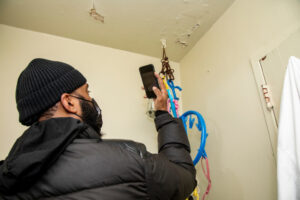
XRF is a technology that allows inspectors to do lead paint inspection on surfaces without damaging them. Using a handheld device, a certified inspector scans walls, doors, windows, trim, and other painted components. The device instantly determines whether lead is present and at what concentration.
Unlike paint chip sampling, which requires cutting or scraping surfaces and sending samples to a laboratory, XRF testing produces immediate results on-site. This makes it especially useful in New York City, where inspections often need to meet strict compliance standards and timelines.
Why XRF Testing Is the Standard in New York City
New York City’s regulations are among the most stringent in the country when it comes to lead safety. Agencies such as HPD and the Department of Health require testing methods that are accurate, documented, and legally defensible. XRF testing meets those requirements.
It is commonly used because it does not damage surfaces, provides fast results, and allows inspectors to test an entire unit or building efficiently. For landlords, real estate professionals, and contractors, XRF testing is often not just preferred; it is expected.
Average Cost of XRF Lead Testing in NYC
In most residential cases, XRF lead testing in NYC costs between $300 and $1,500. The lower end typically applies to small apartments with limited painted surfaces, while higher costs are associated with larger homes or multi-unit buildings.
A studio or small one-bedroom apartment usually falls in the $300 to $450 range. Two- and three-bedroom apartments often cost between $450 and $700. Single-family homes, townhouses, and older brownstones commonly range from $600 to $1,000. Multi-family buildings, especially those with many units, can exceed $1,500 and sometimes reach several thousand dollars.
These figures reflect inspections performed by properly certified professionals and include reporting that meets New York City requirements.
Also read: How XRF Testing Improves Lead Safety Inspections
What Drives the Cost of XRF Lead Testing
There is no flat rate for XRF lead testing in New York City because no two properties are exactly alike. Pricing is based on workload, inspection scope, and legal responsibility.
Property Size and Number of Surfaces
Inspectors do not price solely by square footage. Instead, they consider how many painted components must be tested. Each wall, door, window, frame, baseboard, railing, or cabinet counts as a separate component.
A small apartment may have a few dozen components. A larger home or older building may have well over a hundred. More components require more scans, more documentation, and more time, which directly increases cost.
Age and Construction of the Building
Older buildings generally require more extensive testing. Properties built before 1960 are more likely to contain lead-based paint, and many have undergone multiple renovations over the decades. These layers of paint and varied surfaces increase inspection complexity.
Because inspectors must be thorough to ensure accuracy and compliance, older buildings often cost more to test.
Purpose of the Inspection
Why the testing is being performed has a major impact on pricing. An informal screening before minor renovations is typically less expensive than a compliance-driven inspection required by city law.
Testing related to Local Law requirements, HPD violations, or legal disputes usually involves more detailed documentation and reporting. That additional responsibility is reflected in the cost.
Number of Units in the Building
Single-unit inspections are relatively straightforward. Multi-family buildings, on the other hand, involve testing multiple apartments and common areas. While some inspectors offer reduced per-unit pricing for large buildings, total costs increase as the scope expands.
Scheduling and Urgency
Timing also plays a role. Same-day or next-day inspections often come with rush fees, particularly during busy seasons when demand is high. Planning ahead can help avoid these added costs.
XRF Testing Compared to Paint Chip Sampling
Some property owners consider paint chip sampling because it appears cheaper upfront. Individual samples do cost less than a full XRF inspection. However, paint chip testing often becomes more expensive once lab fees, delays, and surface repairs are factored in.
XRF testing avoids surface damage, eliminates laboratory wait times, and provides immediate, comprehensive results. For most NYC properties, it is the more efficient and practical option, especially when compliance is required.
NYC Laws That Influence XRF Testing Costs
New York City’s lead laws play a significant role in shaping inspection requirements and pricing.
Local Law 31 of 2020
Local Law 31 requires landlords to proactively identify lead hazards in apartments where young children live, particularly in older buildings. The law emphasizes proper testing methods and certified inspectors, which often means XRF testing.
Because compliance inspections must meet strict standards, they tend to cost more than basic screenings.
HPD and Department of Health Standards
City agencies require inspectors to follow specific protocols and produce detailed reports. If an inspection does not meet these standards, it may be rejected, forcing the property owner to pay for testing again. Choosing a qualified inspector helps avoid this costly mistake.
What Landlords in NYC Typically Pay
For landlords, XRF lead testing is often a recurring expense. Inspections may be required during tenant turnover, as part of annual compliance efforts, or to clear violations.
While the costs can add up, proactive testing often saves money in the long run by preventing fines, lawsuits, and emergency remediation. Many landlords view XRF testing as a necessary investment rather than an optional service.
Costs for Homebuyers and Sellers
Lead paint testing has become more common in real estate transactions involving older properties. Buyers may request XRF testing during due diligence, particularly when children will be living in the home.
Sellers sometimes commission testing in advance to avoid delays or renegotiations later. Although this adds an upfront cost, it can make the transaction smoother and more transparent.
Insurance Coverage and XRF Testing
In most cases, XRF lead testing is not covered by standard homeowners or landlord insurance policies. Insurers typically classify it as preventive maintenance rather than a covered loss.
There are limited exceptions, such as court-ordered inspections or government-funded programs, but these are not the norm. It is always best to confirm coverage directly with your insurer.
Also read: Best Lead Paint Testing Methods for Old Buildings
Additional Costs After Testing
XRF testing identifies whether lead is present, but it does not remove the hazard. If lead is found, additional services may be required, such as risk assessments, abatement planning, or clearance testing.
These follow-up services vary in cost depending on the severity and extent of the issue. Planning for potential next steps helps avoid unexpected expenses.
How to Avoid Paying More Than Necessary
While lead testing is not an area where cutting corners is wise, there are practical ways to manage costs.
Requesting a detailed quote upfront helps ensure you understand what is included. Verifying inspector certifications is essential, as uncertified inspections are often rejected by city agencies. When possible, bundling services can also reduce overall expenses.
Choosing the Right XRF Testing Provider
Experience matters just as much as price. Inspectors who understand NYC regulations and documentation requirements are less likely to make errors that lead to repeat testing.
A qualified provider offers transparent pricing, clear reports, and a thorough understanding of local laws. Paying slightly more for expertise often prevents far greater costs later.
Is XRF Lead Testing Worth the Cost?
In a city like New York, the answer is almost always yes. XRF lead testing protects occupants, reduces legal risk, and provides the documentation needed to stay compliant.
When weighed against the financial and legal consequences of unaddressed lead hazards, the cost of testing is relatively small.
Final Verdict – XRF Lead Testing Costs in NYC
XRF lead testing in NYC ranges from $300 to $1,500, with larger or more complex properties costing more. While pricing varies, understanding the factors behind those costs allows you to plan effectively and avoid unnecessary expenses.
If you need XRF lead testing service in NYC, contact Manhattan Lead. We charge an affordable fee for the service and provide accurate results. Call us now and schedule an appointment.