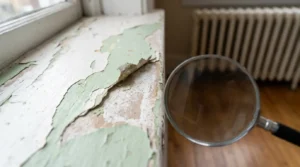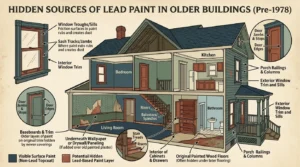
Before we talk about rules and certifications, you need to know why these regulations exist. Lead-based paint was used in millions of homes across the U.S. for decades, until it became undeniable that it was poisoning children, damaging developing brains, and affecting adults in ways that still show up in national health data.
Here’s the part many people forget: If a home was built before 1978, the federal government assumes lead paint may be present unless a certified professional proves otherwise. That assumption shapes every EPA requirement you’re about to read.
The Environmental Protection Agency doesn’t regulate lead because it wants paperwork. It regulates lead because disturbing old paint. Even a small area can release invisible dust that harms families, workers, and anyone walking through the space. That’s why the EPA’s approach is simple:
If you’re going to test for lead, remove it, renovate around it, or supervise others doing the work, you must be a trained and certified EPA lead paint inspector.
The Core EPA Programs That Control Lead Testing and Certification
Most people hear lead certification and assume it’s one universal process. It’s not. The EPA runs several programs, but two stand out because they affect most contractors and inspectors:
The RRP Rule – Renovation, Repair and Painting Program
This rule applies to contractors, landlords, property managers, painters, remodelers, and maintenance workers.
If your work disturbs more than six square feet of interior paint or 20 square feet of exterior paint in pre-1978 housing or child-occupied facilities, you must follow the RRP rule.
Lead-Based Paint Activities Certification
This program covers professionals who evaluate, inspect, or remove lead hazards, including:
- Certified lead inspectors
- Risk assessors
- Abatement workers
- Abatement supervisors
- Project designers
These two programs have different requirements, different training, and different scopes. Knowing which category you fall into determines the kind of certification you need.
When Is Lead Testing Required Under EPA Rules?
Lead testing isn’t always mandatory, but in many cases, it’s the only way to avoid triggering full RRP compliance procedures. Here’s when the EPA requires (or strongly incentivizes) testing:
Testing Is Required When:
- You’re performing a lead-based paint inspection
- You’re conducting a risk assessment
- You’re carrying out a lead abatement project
- A federal HUD-assisted property mandates testing
- A state program requires testing during renovation or turnover
Testing Is Highly Recommended When:
- A contractor wants to determine whether RRP containment rules apply
- A landlord wants to prove a unit does not contain lead hazards
- A property manager needs documentation for liability protection
- A renovation project could disturb old paint surfaces
The EPA allows only certified lead inspectors or risk assessors to perform official testing. DIY test kits don’t replace certification when documentation is required.
You may also read: How to Remove Lead Paint Without Spreading Hazardous Dust
EPA Requirements for Becoming a Certified Lead Inspector
If you’re pursuing a career as a certified lead inspector, the EPA sets clear but detailed requirements. This certification falls under the Lead-Based Paint Activities program, not the RRP rule.
Here’s what the EPA requires step-by-step:
Meet the Eligibility Criteria
The EPA accepts applicants who meet one of these:
- A high school diploma/GED plus at least one year of experience in housing inspection, environmental health, building science, or related fields
- A bachelor’s degree in science, engineering, architecture, or environmental studies
- Equivalent military or technical experience
The goal isn’t to gatekeep; it’s to make sure you can responsibly evaluate building conditions.
Complete an EPA-Accredited Lead Inspector Course
Training typically includes:
- Lead health effects
- Lead regulations
- Sampling methods
- Paint chip and dust collection
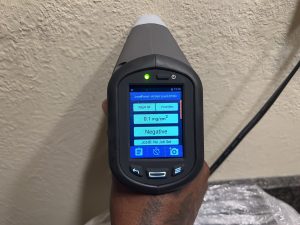
- XRF (X-ray fluorescence) device usage
- Clearance testing procedures
- Report writing requirements
The course ends with a hands-on skills assessment. The EPA wants to ensure you’re not just reading about testing, you can actually perform it.
Pass the State or EPA Certification Exam
Some states have their own exams. If your state doesn’t run its own program, you apply through the EPA’s federal program.
The exam ensures you understand:
- Federal regulations
- Inspection protocols
- Documentation expectations
- Safety procedures
Apply for Certification and Pay the Required Fees
Your application includes:
- Course completion certificates
- Proof of experience or education
- Exam results
- Identification documents
- Applicable fees
Once approved, you are recognized as a certified lead inspector authorized to perform inspections, testing, and clearance examinations under federal law.
Renew Certification Every Few Years
EPA certifications generally last three years, though some states operate on a different cycle. Renewal usually requires a refresher course.
You may also read: How to Choose an EPA‑Certified Lead Inspector in NYC
EPA Requirements for Contractors Under the RRP Rule
If your job involves painting, repairing, or renovating pre-1978 structures, even a tiny area, you must follow the Renovation, Repair and Painting rule.
Here’s what the EPA requires from contractors:
Firm Certification
Your business, not just you, must apply for EPA Firm Certification. Without this, your entire team is operating illegally. The certification lasts five years and confirms the firm is following federal lead-safe standards.
Certified Renovators
At least one individual on every job must be trained and certified as a renovator. This person is responsible for:
- Setting up containmen
- Testing or assuming presence of lead-based paint
- Using lead-safe work practices
- Cleaning and verifying the work area
- Maintaining records for the required period
This training is shorter than the inspector program but still hands-on and regulated.
Lead-Safe Work Practices
The EPA requires contractors to:
- Contain dust with plastic sheeting
- Seal off doorways, vents, and HVAC systems
- Use methods that minimize dust
- Prohibit methods like open-flame burning or machine sanding without a HEPA vacuum
- Clean thoroughly with HEPA vacuums and wet wipes
- Perform post-work verification
Non-compliance can result in fines reaching $47,000 per day per violation. And yes, contractors have been hit with these fines.
Documentation and Recordkeeping
You must keep records of:
- Lead testing results
- Work practices
- Cleaning verification
- Training credentials
- Occupant notifications
These records must be kept for three years, and the EPA can request them at any time.
Lead Testing Methods Approved by the EPA
Not every testing method is acceptable for official documentation. The EPA approves:
XRF Analyzer Testing
XRF lead testing is the fastest and most precise technique available. Certified lead inspectors rely on XRF devices because they can scan painted surfaces and deliver instant, non-destructive readings. It’s the preferred method for large inspections and provides a clear determination of whether lead-based paint is present.
Paint Chip Sampling
When XRF results are inconclusive or verification is required, inspectors collect small paint samples from the surface. These chips are sent to an accredited laboratory, where they undergo detailed chemical analysis. This method is highly accurate and considered the gold-standard for confirmation testing.
Dust Wipe Sampling
Dust wipe sampling is essential during clearance examinations after renovation or abatement work. Inspectors collect dust from floors, window sills, or other surfaces and send it to a certified lab. The results determine whether the work area meets EPA clearance standards and is safe for re-occupancy.
Soil Sampling
Soil testing is performed during risk assessments or when exterior abatement work could contaminate surrounding areas. Lead in soil can pose significant risks to children, pets, and anyone spending time outdoors, so EPA-approved sampling methods are strictly followed.
The Difference Between Lead Inspection, Risk Assessment, and Abatement
This is one area where even experienced contractors get tripped up. These terms are not interchangeable.
Lead Inspection
A lead inspection determines whether lead-based paint is present in a building—nothing more, nothing less.
- Conducted by a certified lead inspector
- Uses approved methods such as XRF scanning and paint chip sampling
- Identifies the location and concentration of lead-based paint
- Does not evaluate the severity, condition, or risk level of the hazard
A lead inspection answers the question: Is there lead-based paint in this structure?
Risk Assessment
A risk assessment goes a step further by determining whether existing lead hazards pose an active threat to occupants.
- Performed by a certified risk assessor
- Involves dust wipe sampling, soil testing, and a detailed analysis of building conditions
- Identifies deteriorated paint, lead-contaminated dust, and unsafe soil
A risk assessment answers the question: Is the lead causing a risk right now, and where?
Lead Abatement
Lead abatement is a permanent, regulated process designed to eliminate lead hazards, not just temporarily contain them.
- Performed by certified abatement workers and supervisors
- Often required in federally assisted housing, legal settlements, or court-ordered remediation
- Uses approved removal methods, enclosure systems, or specialized coatings
It’s important to note that lead abatement is not the same as renovation under the RRP rule. Abatement is a distinct legal category focused on long-term hazard removal, while RRP work focuses on preventing contamination during general renovations.
EPA Enforcement: What Happens When You Ignore Lead Certification Requirements
Contractors sometimes assume, “It won’t happen to me.”
But EPA enforcement records show otherwise.
Here’s what can happen if you operate without certification or skip lead-safe work practices:
EPA Enforcement: Penalties for Non-Compliance
The EPA takes lead safety regulations seriously, and the consequences for ignoring certification or lead-safe work practices can be severe. These penalties aren’t theoretical—they are enforced regularly and publicly.
Civil Penalties
Businesses that violate EPA lead rules can face fines reaching tens of thousands of dollars per day, per violation.
To add to the impact, the EPA publishes the names of violators on its official website, which can significantly harm a company’s reputation and credibility.
Criminal Penalties
Knowingly breaking the law can escalate the situation from civil to criminal.
This includes actions such as:
- Falsifying documents
- Concealing violations
- Intentionally avoiding certification requirements
Criminal penalties may involve prosecution, heavy fines, and even imprisonment.
Business Shutdowns
Companies that repeatedly violate EPA regulations may be forced to halt operations. The EPA has the authority to suspend or revoke the certifications needed to legally perform renovation or abatement work.
Housing Agency Sanctions
For landlords or property managers receiving federal or HUD funding, failing to follow lead testing rules can result in:
- Loss of contracts
- Withheld payments
- Disqualification from future programs
What Homeowners and Property Managers Should Expect From a Certified Lead Inspector
If you’re hiring a professional, don’t just take their word for it, ask for proof.
A certified lead paint inspector should:
- Provide their current EPA or state certificate
- Explain the testing process clearly
- Use an XRF analyzer or proper sampling equipment
- Follow containment procedures during sample collection
- Deliver a written inspection report
- Include maps, photographs, and test results
- Document every surface tested
If any of these are missing, you’re not getting a compliant inspection.
How EPA Lead Certification Protects Contractors and Businesses
Some contractors view certification as a headache. But the truth is, EPA lead certification protects you in multiple ways:
- It shields your business from lawsuits
- It gives clients confidence in your work
- It separates you from unlicensed competitors
- It allows you to advertise legally
- It opens doors to government and commercial contracts
- It ensures you’re using methods that protect your crew
EPA Lead Certification Isn’t Just a Rule – It’s Your Responsibility
EPA requirements for lead testing and certification are not red tape. They exist to protect children, families, workers, and entire neighborhoods from a danger that still lingers in millions of U.S. homes and buildings. Whether you’re a renovation contractor, landlord, environmental consultant, or someone preparing to become a certified lead inspector, compliance isn’t simply a box to check, it’s a commitment to doing work that protects the people who depend on you.
If your projects involve pre-1978 structures or you’re preparing to perform inspections, take the step that responsible professionals take: get trained, get certified, and operate with confidence. When you follow EPA standards, you’re not just meeting regulations, you’re actively reducing risk and protecting lives.
At Manhattan Lead, we stand behind that mission every day. We provide professional, reliable, and fully compliant lead testing services to help property owners and contractors meet EPA requirements with complete peace of mind. If you need accurate inspections, trustworthy documentation, or expert guidance, we’re here to support you every step of the way.