Lead paint was frequently present in homes and commercial buildings before its ban in 1987. Why was it banned? Because it was considered to be a harmful environmental pollutant. Lead-based paint is paint containing lead, which was added to improve drying, durability, and appearance. It poses a health risk, particularly to children, when it is disturbed, releasing toxic particles that can be inhaled.
Removing lead paint requires extreme care to prevent its spread. To safely remove it, you’ll need to use safe lead paint removal methods and specialized cleaning techniques that keep lead particles from spreading through the air. Proper preparation, safety precautions, and cleanup are essential to ensure the process is effective and hazard-free.
In this blog, you’ll learn about safelead paint or lead violation removal methods without spreading hazardous dust. We’ll walk you through the essential precautions and cleanup techniques that help protect your home during the process. Whether you’re tackling a small DIY project or preparing for a larger renovation, this blog will help you get your answers.
What is lead paint?
The “lead” used in paints refers to chemical compounds of the element lead (Pb) that are added to paint. Lead improved the paint’s durability and drying properties. However, it is a toxic metal, and when the paint chips and creates dust, it can pose serious health risks to young children and pregnant women. Exposure to lead from old paint can cause brain and nervous system damage. Although the use of lead-based paint in homes has been banned in the United States since 1978, it can still be found in older houses and structures.
Why is it hazardous?
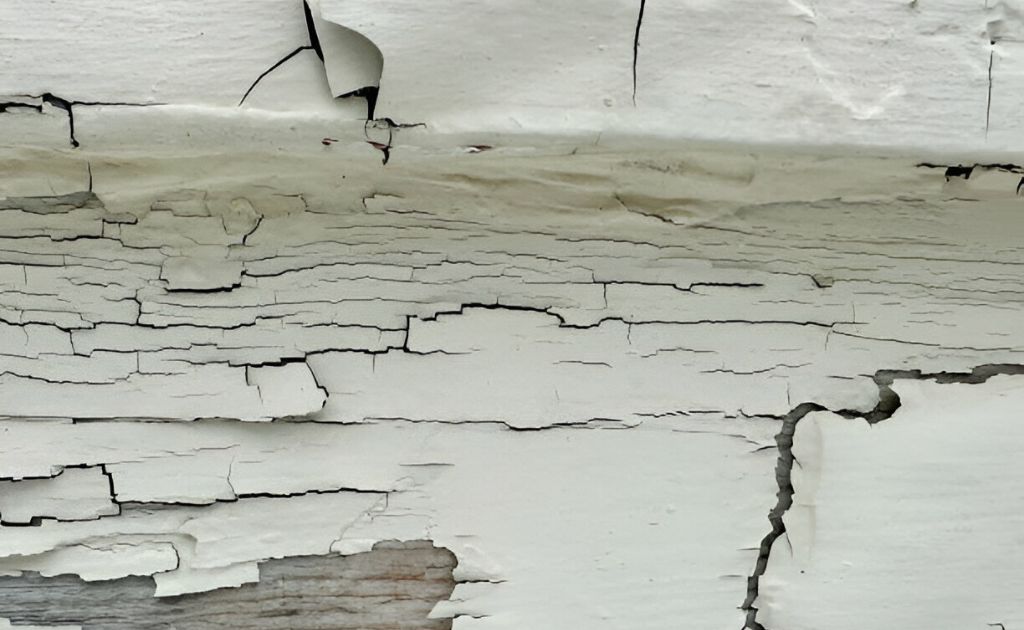
Lead itself is a toxic metal that can be harmful when it enters the body through inhalation of dust. It may lead to high blood pressure, kidney damage, fertility issues, and memory problems. The danger arises when lead paint cracks or is disturbed during renovation. The resulting dust can easily spread through the air and settle on household surfaces.
Lead dust can contaminate soil and water, posing a risk to wildlife. It can also be risky for anyone who comes into contact with the area. Once it enters the environment, it doesn’t break down easily, making it a long-term hazard.
Preparing for safe Removals
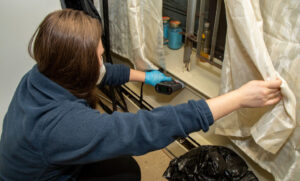
Before you pick the scraper, let’s make sure you stay safe from lead paint. If your home was built before 1978, there’s a good chance it has lead paint. When you know there’s lead paint, clear that area. You should wear safety gear like gloves, goggles, and, of course, a mask. Cover that area with plastic sheets. Don’t scrape dry paint because that releases dangerous dust. Spray a little water on the paint to keep it damp while you scrape. Make sure that children and pets stay out of that area. Doing all this helps protect everyone, especially children and pregnant women, from the harm that lead can cause.
Setting up a Lead Paint Dust Containment Area
Setting up a lead paint dust containment area is one of the most important steps before starting any paint removal work. Pick one room to work in at a time and close off that space from the rest of the house. Move out all furniture. Use heavy-duty plastic to cover the floor so no dust can escape. Seal off doors and windows with plastic to stop dust from spreading through the air. Always put on your safety gear before going into the area. Keep the area a little damp while working so dust doesn’t float in the air. Make a safe, closed-off space to keep lead dust in one place.
Safe Lead Paint Removal Methods
Work smart and stay safe, lead paint needs careful handling! When removing lead paint, the goal is to get rid of the danger without spreading toxic dust. The safest methods are wet scraping, wet sanding, and chemical stripping.
Wet method
This is a safe way to remove lead paint because it keeps dust from spreading. Lightly spray the painted surface with water, then gently scrape or sand the paint using hand tools. Keep the surface damp while working, let paint chips fall onto plastic sheeting, and clean up with a HEPA vacuum and wet cloths.
Wet sanding
This method keeps the dust under control. You lightly dampen the surface with water and then sand gently using sandpaper. Wet sanding also helps prevent contamination of nearby surfaces. The damp paint particles stick together instead of floating in the air. It’s best done slowly, working in small sections to keep the area safe.
Chemical stripping
This is a safe method to remove lead paint without creating dust. It uses a special paint stripper that softens the paint so it can be gently scraped off. Always apply the chemical in a contained area. Chemical stripping is especially useful for areas where scraping is difficult, and it helps reduce the risk of airborne lead dust.
Low-temperature Heat Gun
The low-temperature heat gun method is a safer technique for removing lead-based paint because it minimizes the release of hazardous lead dust. This method involves using a heat gun set below 1100°F (typically between 500–800°F) to gently soften the old paint, allowing it to be carefully scraped away with a hand scraper. The lower temperature prevents the paint from vaporizing and reduces the risk of airborne lead contamination.
Also Read: Lead paint testing methods for old buildings
Cleaning Up Thoroughly
Cleaning up thoroughly after removing lead paint is just as important as the removal itself. Start by carefully folding up the plastic sheets you used to cover the floors. Seal the used plastic and disposable gear in plastic bags and tape them tightly. Use a HEPA vacuum to clean all surfaces. After vacuuming, wipe all surfaces with damp disposable cloths to pick up any remaining dust. Wash your hands and any exposed skin with soap and water. Proper cleanup makes sure no harmful lead dust is left behind, keeping your home safe for everyone.
When to call a Professional?
Know when it’s time to call a professional for lead paint removal. If the painted area is large, it’s much safer to hire a certified lead abatement professional. You should also call a professional if the paint is badly damaged. They are trained in using safe lead paint removal methods. They keep dust contained and dispose of waste correctly according to the law. Even if the area seems small, a professional can make sure the removal is done safely, so you don’t risk leaving dangerous dust behind.
Contact Manhattan Lead Inspections for Lead Paint Removal
If you live in NYC or anywhere near it, finding the best lead paint remover isn’t difficult. You need an expert who does it safely, and that’s what Manhattan Lead Inspection is here for. Choose us for safe and professional lead paint removal. We use the safest methods to remove lead paint. We carefully contain the work area to prevent dust from spreading.
We at Manhattan Lead Inspections follow strict cleanup and procedures to protect your family. Whether the job is big or small, our experts handle every step with care. By hiring us, you can trust that lead paint removal will be done safely, giving you peace of mind and a healthier home.
So stop waiting, call Manhattan Lead Inspection today to make your home safe from lead paint.