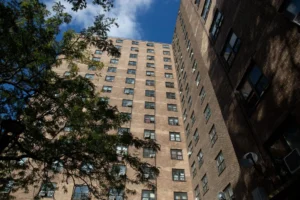
Lead exposure continues to be a serious concern in New York City, particularly because of the city’s aging housing stock. Many properties in NYC were constructed during a time when lead-based paint and materials were commonly used. Although lead was banned decades ago, it has not disappeared. It remains hidden beneath layers of paint, in dust, soil, and sometimes even water systems.
For homeowners, landlords, tenants, and buyers, the question often comes down to this: Is a DIY lead test kit enough, or is a professional inspection the only reliable option? DIY kits seem convenient and affordable,but accuracy matters when health, legal compliance, and property value are at stake.
In this blog, we will throw light on both DIY and professional lead paint inspection in NYC.
Have a Look at Lead Risk in NYC
New York City has one of the oldest residential infrastructures in the United States. A significant number of buildings were built before 1978, when lead-based paint was still widely used. Even properties that appear well-maintained may still contain lead hidden beneath newer coats of paint.
Lead becomes dangerous when paint deteriorates, creating chips or fine dust that can be inhaled or ingested. Window frames, doors, baseboards, and radiators are common trouble spots because of friction and wear over time.
Children under the age of six are particularly vulnerable to lead exposure. Even small amounts can affect brain development, learning ability, and behavior. Pregnant women are also at risk, as lead exposure can impact fetal development. Because of these dangers, New York City enforces strict lead safety laws that require accurate identification and documentation of lead hazards.
What Are DIY Lead Test Kits?
DIY lead test kits are consumer-grade products designed to detect the presence of lead on certain surfaces. These kits are widely available at hardware stores and online and are marketed as a fast, low-cost way to check for lead in the home.
Most kits come with chemical swabs or strips. When rubbed on a surface, the swab changes color if it reacts with lead. Some kits are designed for paint, while others target water or household items.
The simplicity of these kits makes them appealing, especially for homeowners who want quick answers without professional involvement.
Why DIY Lead Test Kits Attract Homeowners
DIY lead test kits are popular for several practical reasons:
Low Upfront Cost
Compared to professional inspections, DIY kits are inexpensive. This makes them attractive for people who want to test quickly without committing to a larger expense.
Immediate Access
There is no need to schedule appointments or wait for availability. You can test whenever it’s convenient.
Perceived Control
Many people like the idea of testing their own home. It feels proactive and empowering, especially for first-time homeowners.
Quick Results
Most kits provide instant visual feedback, which can feel reassuring, even if the result is not fully reliable.
Also read: EPA Requirements for Lead Testing and Certification
How DIY Lead Test Kits Actually Work
DIY kits rely on chemical reactions. When the test solution comes into contact with lead, it triggers a color change. In theory, this sounds straightforward. In practice, there are several limitations.
DIY kits generally test only the surface layer. If lead paint is buried under newer paint, the kit may not detect it at all. In older NYC buildings, it is common for lead paint to be covered by multiple layers, making surface testing unreliable.
Additionally, the accuracy of results depends heavily on how the test is performed. Factors such as surface cleanliness, pressure applied during swabbing, and even lighting conditions can affect interpretation.
Accuracy Problems with DIY Lead Test Kits
Accuracy is the biggest concern when it comes to DIY testing.
False Negatives
One of the most dangerous outcomes is a false negative—when lead is present but the kit fails to detect it. This often happens when lead is buried beneath paint layers or embedded in materials.
False Positives
Some kits may react with metals other than lead, producing misleading results that suggest a hazard where none exists.
Inconsistent Results
Two tests performed on the same surface can sometimes yield different outcomes, especially if testing conditions vary.
Limited Scope
DIY kits cannot test dust, soil, or subsurface materials effectively, which are common sources of exposure in NYC apartments.
Because of these issues, DIY test kits are not considered reliable enough for serious decision-making or legal compliance.
What Is a Professional Lead Inspection?
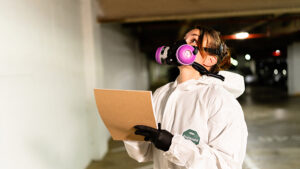
A professional lead inspection is conducted by a certified inspector trained specifically in lead detection. These inspections follow standardized protocols designed to identify lead hazards accurately and thoroughly.
Professional inspectors evaluate the entire environment, not just one surface. The goal is to understand where lead exists, how much is present, and whether it poses a risk to occupants.
Advanced Methods Used in Professional Inspections
X-Ray Fluorescence (XRF) Testing
XRF lead testing is one of the most accurate methods available. It allows inspectors to detect lead beneath multiple layers of paint without damaging surfaces. This is especially valuable in NYC buildings where repainting over decades has buried original lead paint.
Paint Chip Analysis
When necessary, inspectors collect paint samples and send them to certified laboratories for precise measurement. This provides exact lead concentrations rather than simple yes-or-no results.
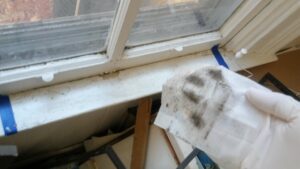
Dust Wipe Testing
Lead dust is one of the most common and dangerous exposure pathways. Professionals collect dust samples from floors, windowsills, and other high-risk areas to assess contamination levels.
Soil Testing
In some properties, especially ground-floor units or buildings with outdoor spaces, soil testing is performed to identify exterior lead hazards.
Why Professional Inspections Are More Accurate
Professional inspections are far more reliable than DIY kits for several reasons:
- They detect lead beneath the surface
- They use calibrated, professional-grade equipment
- They follow strict testing protocols
- They minimize user error
- They provide measurable, defensible results
Instead of guessing, professional inspections deliver clarity.
Legal Requirements and Documentation For Lead Inspection in NYC
In New York City, lead testing is not just a safety concern, it is a legal matter. Landlords and property owners are required to follow strict rules regarding lead identification, recordkeeping, and remediation.
Professional inspections provide official documentation that includes:
- Testing methods used
- Locations tested
- Lead levels found
- Compliance status
DIY test results are not accepted for regulatory or legal purposes. Relying on them can leave property owners vulnerable to violations, fines, and lawsuits.
Also read: Checklist for NYC Local Law 31 Compliance
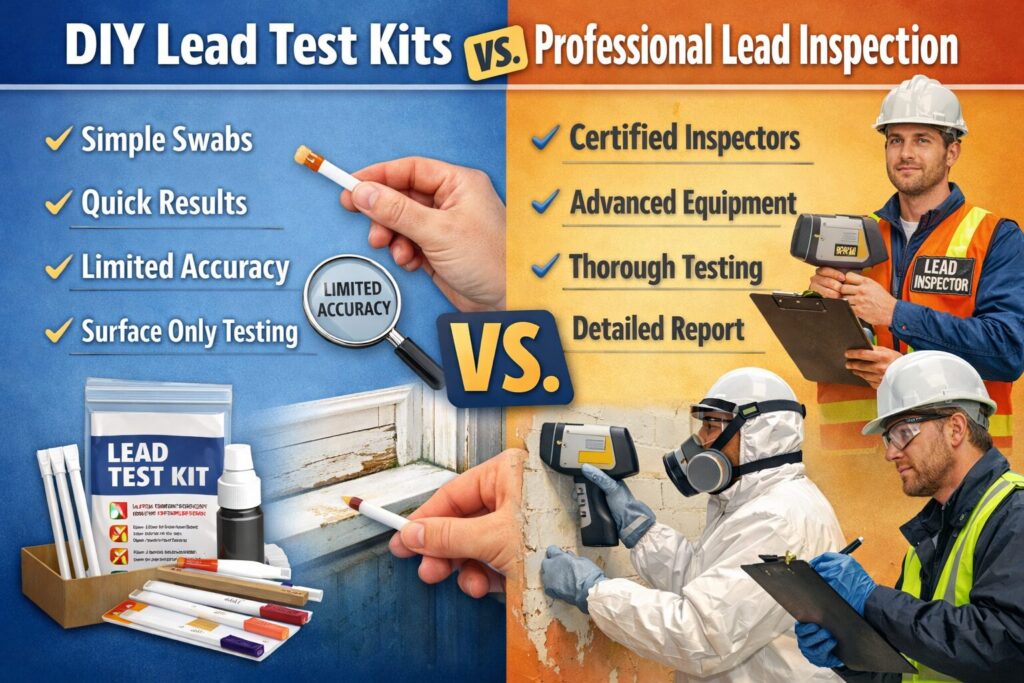
Side-by-Side Comparison – DIY Kitts vs Professional Lead Inspection
| Category | DIY Lead Test Kits | Professional Inspection |
| Accuracy | Limited | Highly accurate |
| Depth of Testing | Surface only | Surface and subsurface |
| Equipment | Consumer-grade | Professional-grade |
| Legal Acceptance | Not accepted | Fully compliant |
| Documentation | None | Detailed reports |
| Risk Assessment | Minimal | Comprehensive |
When DIY Lead Test Kits Might Make Sense
DIY kits may have limited usefulness in very specific situations:
- Testing small household items
- Checking antiques or furniture
- Initial curiosity before calling a professional
Even in these cases, results should be treated cautiously and never considered final.
The Hidden Dangers of Relying on DIY Testing
Relying solely on DIY testing can create a false sense of security. Undetected lead hazards may continue to expose occupants, particularly children, to harmful levels of lead.
For landlords, inaccurate testing can result in serious legal consequences. For homeowners, it can lead to costly remediation mistakes during renovations.
In NYC, where regulations are strict and enforcement is active, incomplete testing is a risk no one should take.
Cost vs. Long-Term Value
While professional inspections cost more upfront, they often save money in the long run. Accurate lead paint testing prevents unnecessary remediation, reduces liability, and protects property value.
When compared to potential health costs, legal penalties, or renovation errors, professional inspection is a smart and responsible investment.
Make the Right Choice with Professional Lead Inspection in NYC
In a city with complex regulations and aging buildings, accuracy matters more than convenience. DIY lead test kits may offer quick answers, but they cannot provide the reliability, depth, or legal standing required in NYC.
For anyone serious about safety, compliance, and peace of mind, professional lead inspection is the clear choice.
For those seeking trusted, high-quality lead inspection services, Manhattan Lead offers premium inspections designed specifically for New York City properties. With certified inspectors, advanced testing methods, and detailed reporting, we help homeowners, landlords, and buyers make informed decisions with confidence.
Contact us today and book an appointment.