
How Does Lead Get into NYC’s Water Supply?
You might be wondering: If NYC has some of the cleanest water in the country, how does lead contamination happen?
The problem isn’t the water itself. It’s the aging infrastructure that delivers it.
NYC’s water comes from protected upstate reservoirs, where it’s naturally filtered and treated before making its way to the city. However, many buildings, especially those built before 1986, still have lead pipes, plumbing, or solder that can leach lead into the water.
Here’s how lead contamination happens:
Lead Service Lines: Older buildings may have lead pipes connecting them to the city’s main water line. As water passes through, lead particles can dissolve into it.
Lead Plumbing & Fixtures: Even if the main service line is safe, older pipes, faucets, and solder inside buildings can still leach lead into drinking water.
Corrosion: When water sits in lead pipes for too long or if the pipes corrode, higher levels of lead can enter your water.
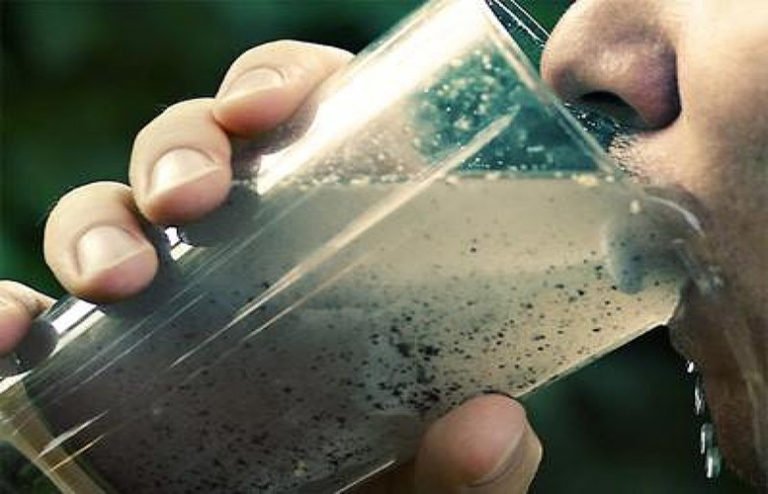
The scary part? You can’t see, taste, or smell lead in water.
The Dangers of Lead in Drinking Water
Lead exposure, even in small amounts, is linked to serious health problems, especially in children, infants, and pregnant women. Since the body mistakes lead to essential minerals like calcium, it can be absorbed into the bloodstream, causing long-term damage.
Health Effects of Lead Exposure:
Children: Brain damage, developmental delays, learning disabilities, lower IQ, and behavioral issues.
Pregnant Women: Increased risk of miscarriage, premature birth, and developmental harm to the baby.
Adults: High blood pressure, kidney damage, and neurological effects like memory loss.
According to the EPA and CDC, no amount of lead in drinking water is safe. Even low levels can contribute to lifelong health issues.
How Lead Water Testing Works
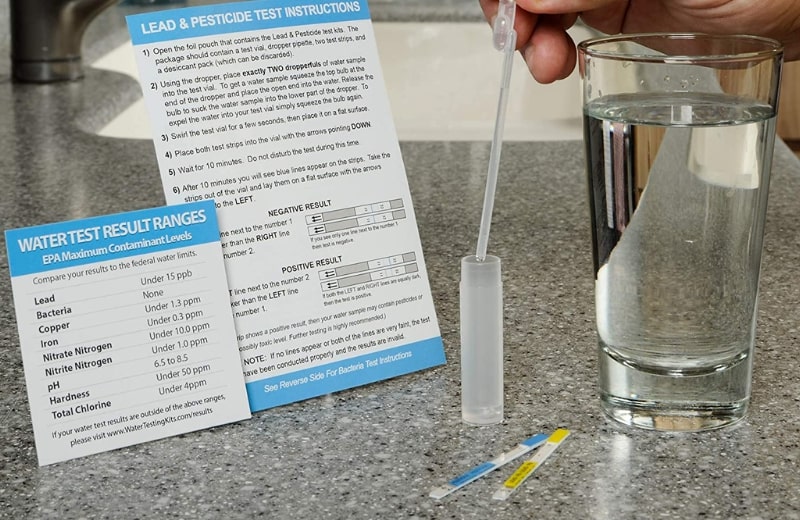
Getting your water tested for lead is quick, simple, and non-invasive.
Here’s what to expect:
- Sample Collection: A certified professional collects water samples from different taps in your home, usually after the water has been sitting overnight.
2. Laboratory Analysis: The samples are analyzed using advanced testing methods to measure lead levels in parts per billion (ppb).
3. Results & Recommendations: If lead is detected, experts provide guidance on how to reduce or eliminate exposure, including water filtration options or replacing lead pipes.
What to Do If Your Water Tests Positive for Lead
If your water has elevated lead levels, don’t panic! There are several ways to reduce exposure:
Use a certified water filter: Look for filters that are NSF/ANSI 53 certified to remove lead.
Run your tap water: If water has been sitting in the pipes for hours, let it run for at least 30 seconds to 2 minutes before using it.
Use cold water for cooking & drinking: Hot water can dissolve lead more easily, increasing contamination.
Replace old pipes & fixtures: If your plumbing contains lead, consider replacing pipes or installing lead-free faucets.
For long-term safety, a professional lead remediation service can help identify and remove lead sources from your home.
Also Read: How Can You Test for Lead in Your Water
Protect Your Home with Professional Lead Water Testing
When it comes to your health, don’t take chances with lead exposure. The best way to ensure your drinking water is safe is with professional Lead Water Testing.
At Manhattan Lead, we specialize in accurate, EPA-approved lead testing for homes, apartments, schools, and businesses.
Don’t wait until it’s too late; schedule your Lead Water Testing with Manhattan Lead today and ensure clean, safe drinking water for your family!